

top GPS trackers Kuwait

Top 5 GPS Trackers for Cars in Kuwait , Compared

TOP PICKS · KUWAIT · 2026

Top 5 GPS Trackers for Cars in Kuwait (2026), Compared

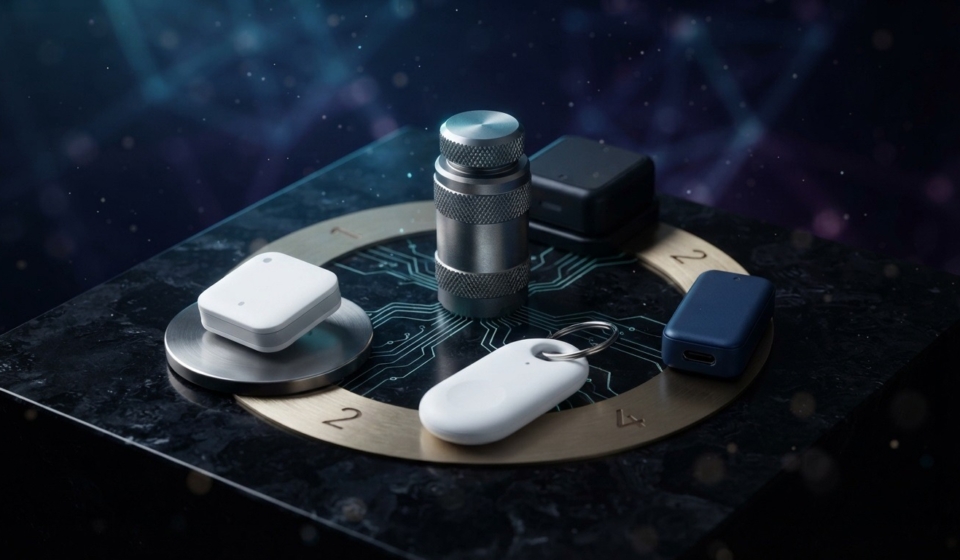
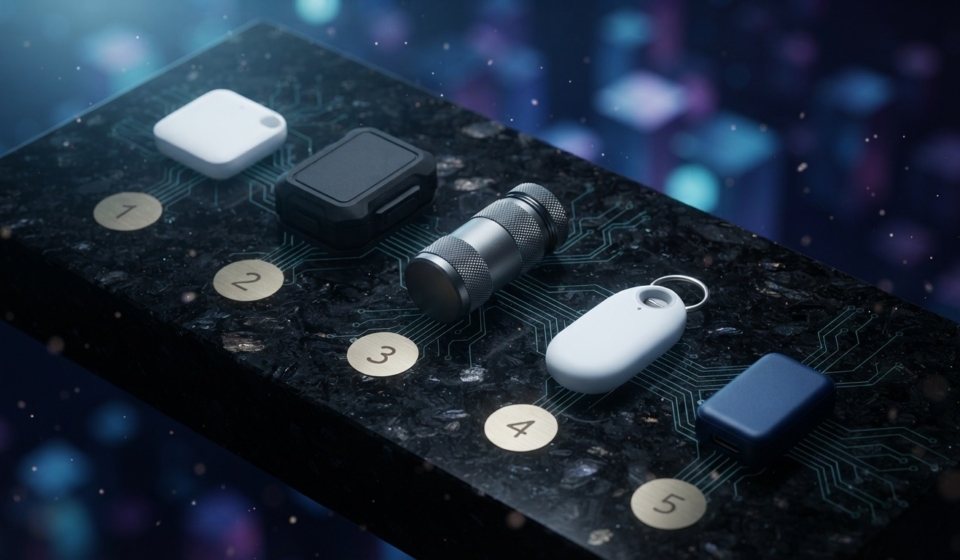
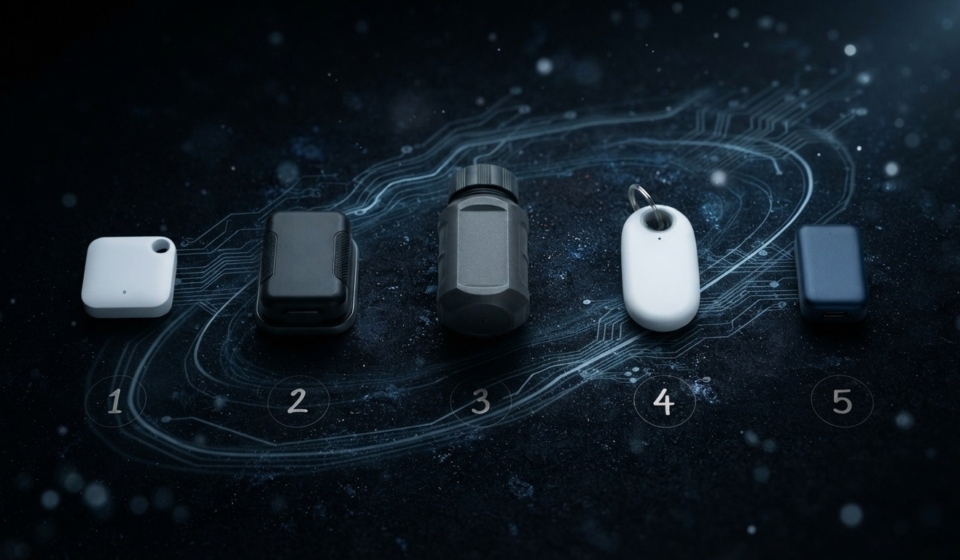
Not every GPS tracker on the market is built to survive a Kuwaiti summer, and not every buyer needs the same feature set. Some just want a cheap way to keep an eye on a second car; others are running a small delivery fleet through 50°C heat. Here are five distinct types of trackers worth considering in Kuwait right now, matched to who they actually make sense for.

💡 Quick Tip: Before picking a tracker, decide whether you’re solving for theft protection, fleet efficiency, or just casual peace of mind — the right pick genuinely differs by use case, not just by price.

Quick Comparison

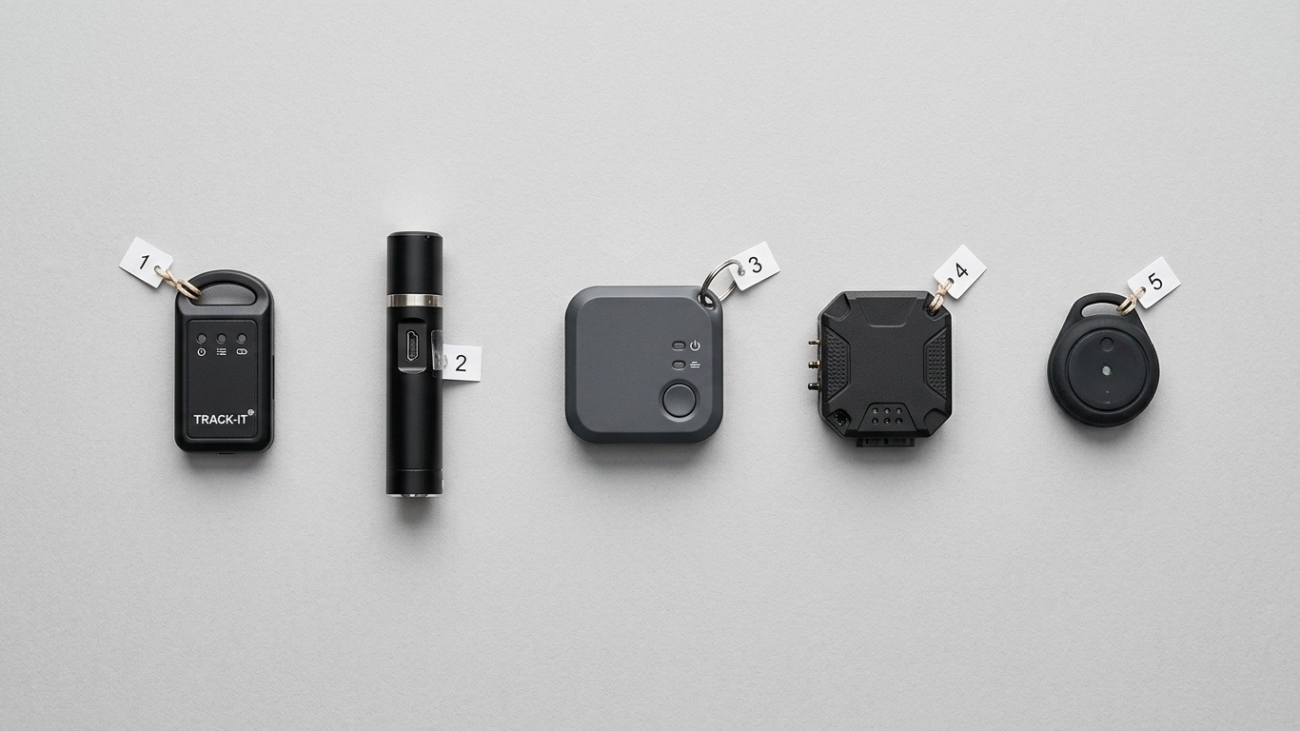
# Type Best For Monthly Fee
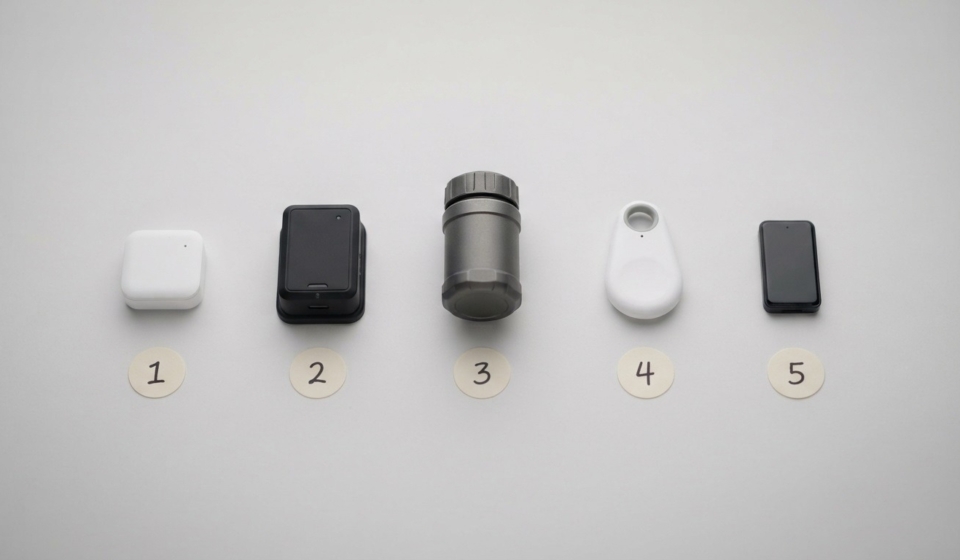
1 Hardwired fleet tracker (e.g. Teltonika FMB920) Fleets, theft protection, remote immobilization Yes
2 OBD plug-in tracker (e.g. Concox OB22) Personal cars, quick self-install Yes
3 Mini Bluetooth tag (Apple Find My certified) Budget buyers, bikes, bags, second vehicles No
4 Magnetic battery tracker No-install tracking, temporary use Varies
5 Dash cam with built-in GPS Accident evidence + location in one device Optional

1. Hardwired Fleet Tracker — Best for Businesses and Theft Protection

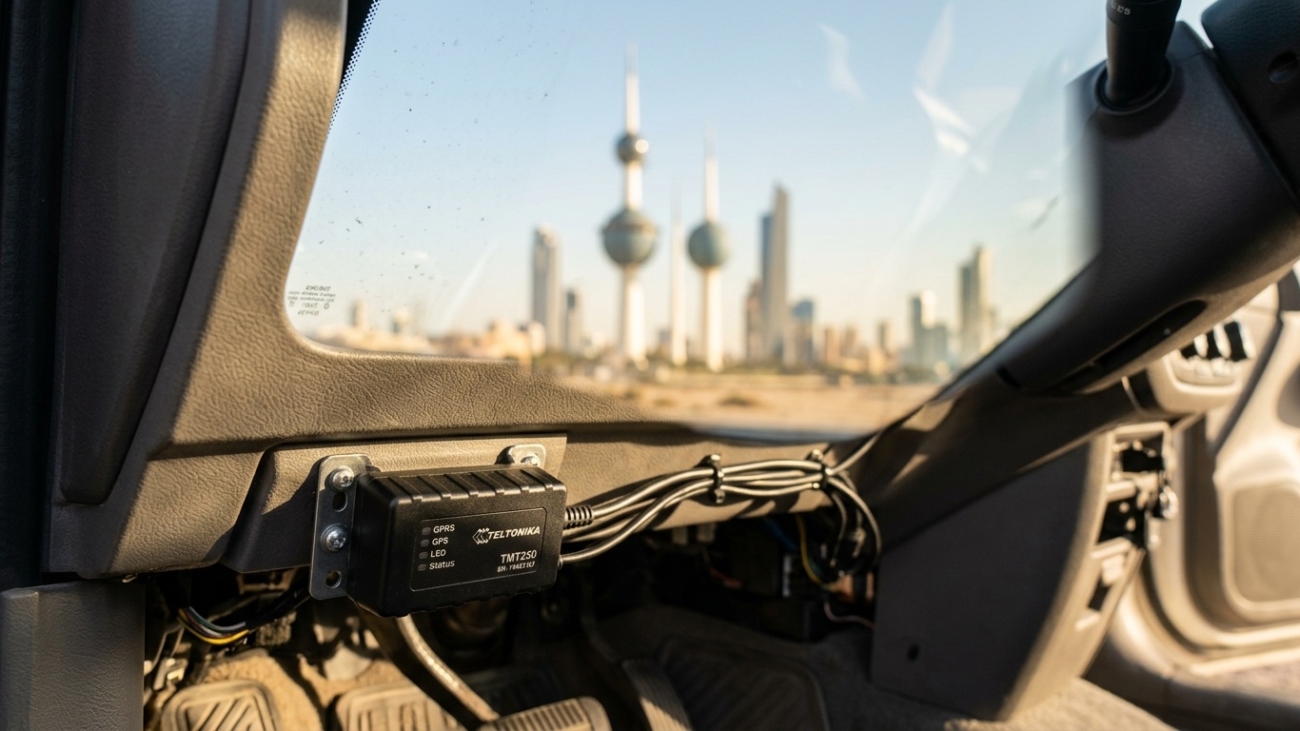
If you’re managing more than one vehicle, or theft protection is the priority, a hardwired unit like the Teltonika FMB920 is the strongest option in Kuwait’s climate. It draws power directly from the vehicle, so there’s no battery to degrade in the heat, and features like remote engine immobilization and multi-satellite accuracy make it genuinely harder for a thief to work around. The trade-off is professional installation and a higher upfront cost.

2. OBD Plug-In Tracker — Best for Personal Cars

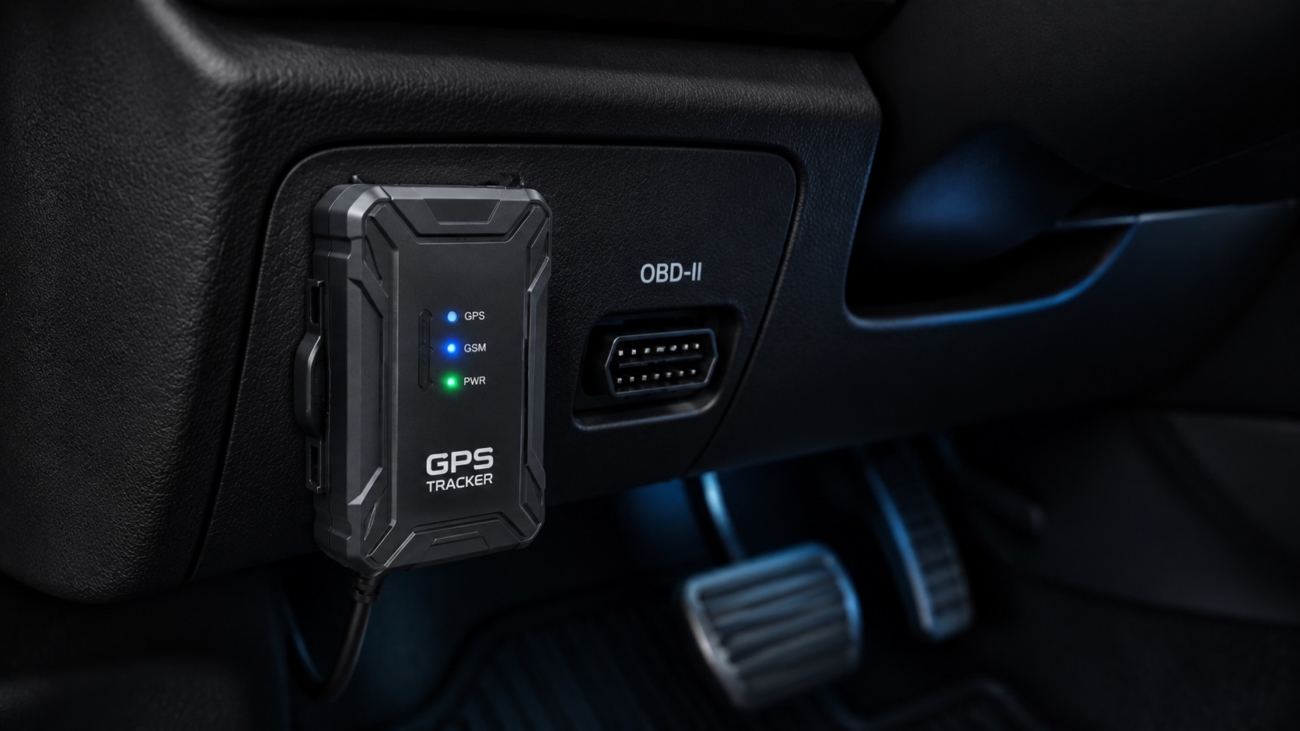
An OBD tracker like the Concox OB22 plugs into the diagnostic port under the dashboard in seconds — no wiring, no workshop visit. It still draws vehicle power, avoiding heat-related battery issues, and works well for personal cars, rentals, or anyone who wants real-time tracking without a permanent install.

3. Mini Bluetooth Tag — Best for Budget-Conscious Buyers

For lower-stakes tracking — a motorcycle, a bag, a second car that mostly stays in the city — a compact tag like the GPS Tag mini tracker is hard to beat. No monthly fee, multi-year battery life, and Apple Find My network support make it one of the cheapest ways to add real location tracking to something you own. It won’t match a 4G tracker’s update speed, but for everyday items, that’s rarely the point.

4. Magnetic Battery Tracker — Best for No-Install Flexibility

Magnetic trackers attach to the undercarriage in seconds with no tools required, which makes them appealing if you want to move a tracker between vehicles or avoid any installation at all. In Kuwait specifically, keep in mind that sustained heat shortens battery life more than the manufacturer’s rated figure suggests — this option suits shorter-term or lower-priority tracking rather than a primary theft-protection setup.

5. Dash Cam With Built-In GPS — Best for Accident Documentation

If recording evidence in the event of an accident matters as much as knowing your car’s location, a GPS-equipped dash cam covers both in one device. It won’t offer the same remote-monitoring depth as a dedicated tracker, but for drivers mainly worried about liability disputes on Kuwait’s busy roads, it’s a practical two-in-one option.

⚠️ Kuwait-Specific Reminder: Whichever type you choose, confirm its rated operating temperature comfortably covers Kuwait’s summer heat. A device that isn’t heat-rated can fail well before its expected lifespan, regardless of how good its features look on paper.

Which One Should You Actually Buy?

  • Running a fleet or prioritizing theft protection? Go with a hardwired tracker.
  • Want real-time tracking on a personal car with zero installation hassle? An OBD tracker is the easiest middle ground.
  • Just want basic peace of mind with no ongoing cost? A mini Bluetooth tag covers that well.
  • Need to document accidents as well as track location? A GPS dash cam does both.

For a deeper look at what to check before buying any of these, see our full GPS tracker buying guide for Kuwait, and for fleet-specific buying advice, our fleet and company vehicle guide covers what to ask suppliers before buying in bulk.

Final Thoughts

There’s no single “best” GPS tracker for Kuwait — the right choice depends entirely on whether you’re protecting a fleet, a personal car, or just a bike or bag. What matters across all five options is the same: confirm real heat tolerance before buying, and match the device’s update speed and features to how seriously you actually need to track it.
Teltonika FMB920 review

Teltonika FMB920 Review: Multi-GNSS Fleet Tracker With Remote Immobilizer

PRODUCT REVIEW · 2026

Teltonika FMB920 Review: Multi-GNSS Fleet Tracker With Remote Immobilizer

The Teltonika FMB920 is a Lithuanian-made hardwired GPS tracker built for fleet operators who need more than a basic dot on a map. It combines four-satellite-system positioning, Bluetooth sensor support, crash detection, and a remote engine immobilizer in a device barely thicker than a stack of credit cards. It’s one of the most widely deployed trackers of its kind worldwide, so we broke down whether it’s actually worth choosing over a cheaper OBD tracker.

💡 Quick Tip: This is a hardwired, professionally-installed device, not a plug-and-play tracker. Budget for installation by a qualified auto electrician, especially if you want the remote immobilizer feature wired in correctly.

What Is the Teltonika FMB920?

It’s a compact telematics terminal — 79×43×12mm and 54 grams — designed to be wired permanently into a vehicle’s electrical system rather than plugged in or run on battery. Because it draws continuous power from the vehicle (6–30V), it never needs recharging and stays connected as long as the vehicle has power, with a small backup battery to report a power-cut alert if someone tries to disconnect it.

Key Specs at a Glance

Spec Detail
Positioning GPS + GLONASS + Galileo + BeiDou, <2.5m accuracy (open sky)
Connectivity 2G GSM/GPRS, quad-band
Bluetooth Bluetooth 4.0 LE (sensors, beacons, headsets, OBD dongles)
Onboard storage 128MB flash (logs data offline when signal drops)
Power input 6–30V DC, with 170mAh backup battery
Protection rating IP54 (dust and splash resistant, not fully waterproof)
Size / weight 79×43×12mm / 54g
Warranty 24 months

What Stands Out

  • 🛰️ Genuinely better GPS accuracy — pulling from four satellite systems at once (GPS, GLONASS, Galileo, BeiDou) gives noticeably better lock in dense urban areas and under flyovers than single-system trackers.
  • 📡 Bluetooth expandability — connect temperature sensors, driver-ID beacons, or an OBD dongle wirelessly, turning it from a location device into a broader data hub without extra wiring.
  • 🛑 Remote engine immobilizer — a wired relay output lets you cut the ignition remotely, one of the strongest theft-deterrent features available on any tracker in this category.
  • 💥 Built-in crash detection — the onboard accelerometer flags sudden impacts and can trigger an instant alert, useful for both safety response and insurance claims.
  • 💾 Offline data logging — 128MB of onboard storage means no location data is lost even when the vehicle passes through a signal dead zone.
⚠️ Worth Knowing: This model runs on 2G GSM/GPRS rather than 4G. In regions where carriers are actively shutting down 2G networks, check with your local provider before buying — in markets where 2G is still solid, this isn’t a practical concern and keeps the device more affordable than its 4G sibling.

Installation: What to Expect

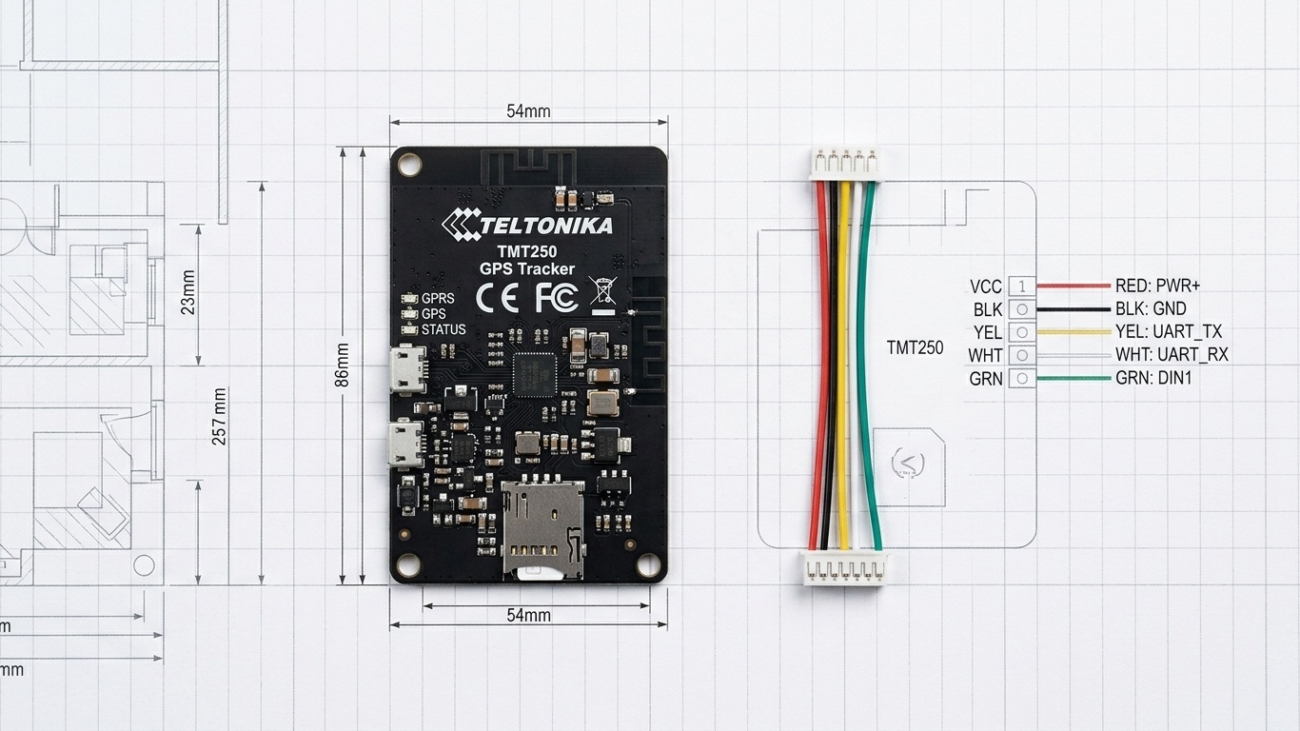
The FMB920 connects via a 5-wire harness: power, ground, ignition detection, an optional analog input (for a fuel sensor), and a digital output for the immobilizer relay. This is not a device you plug in yourself in five minutes — proper installation means routing wires to a fused, constant power source, a solid ground point, and the ignition circuit, with the immobilizer relay wired in by someone comfortable working on a vehicle’s electrical system. Once installed, configuration can be done wirelessly over Bluetooth using Teltonika’s companion app, so you don’t need to relocate the device or plug in a cable to make changes later.

Who This Tracker Is Actually For

  • Fleet operators managing multiple vehicles who need accurate positioning, driver behavior data, and remote immobilization in one device.
  • Delivery and logistics businesses that benefit from Bluetooth-connected temperature sensors or OBD dongles for cargo and engine monitoring.
  • Anyone prioritizing theft deterrence over convenience — the remote immobilizer is a genuine anti-theft advantage over trackers that only report location.

If you just want a simple, self-installed tracker for a personal car, an OBD plug-in device like the Concox OB22 is a faster, easier starting point. The FMB920 is the better tool once you’re managing more than one vehicle or want a harder-to-defeat anti-theft setup.

How It Compares

Against a basic OBD tracker, the FMB920’s advantages are clear: better GNSS accuracy, Bluetooth sensor support, offline data logging, and a proper immobilizer output. The trade-off is installation complexity and cost — an OBD tracker installs itself in seconds, while the FMB920 needs professional wiring. For a single personal vehicle where convenience matters most, that trade-off may not be worth it. For a fleet where reliability, accuracy, and theft deterrence matter more than convenience, it’s a clear upgrade. See our GPS tracker guide for company cars for how it stacks up against other fleet-focused options.

Final Verdict

The Teltonika FMB920 earns its reputation as a go-to fleet tracker for good reason: multi-satellite accuracy, genuine anti-theft capability through remote immobilization, and Bluetooth expandability that few competitors at this size and price offer. It’s not the tracker to buy if you want a five-minute self-install for one car — but for fleet operators and anyone serious about vehicle security, it’s a well-engineered option that’s likely to outlast several cheaper alternatives.

GPS tracker for fleet Kuwait

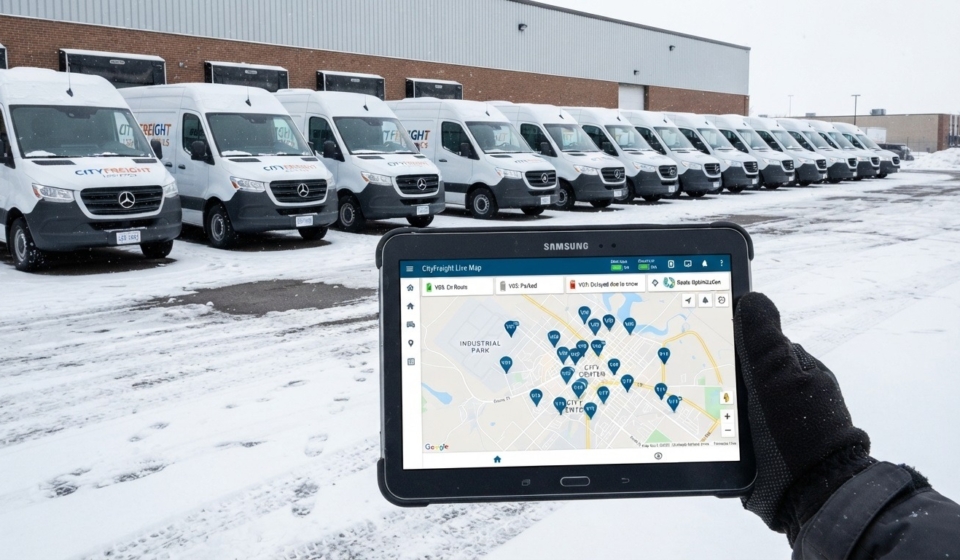
Best GPS Tracker for Fleet & Company Vehicles in Kuwait (2026)

FLEET GUIDE · KUWAIT · 2026

Best GPS Tracker for Fleet & Company Vehicles in Kuwait (2026)

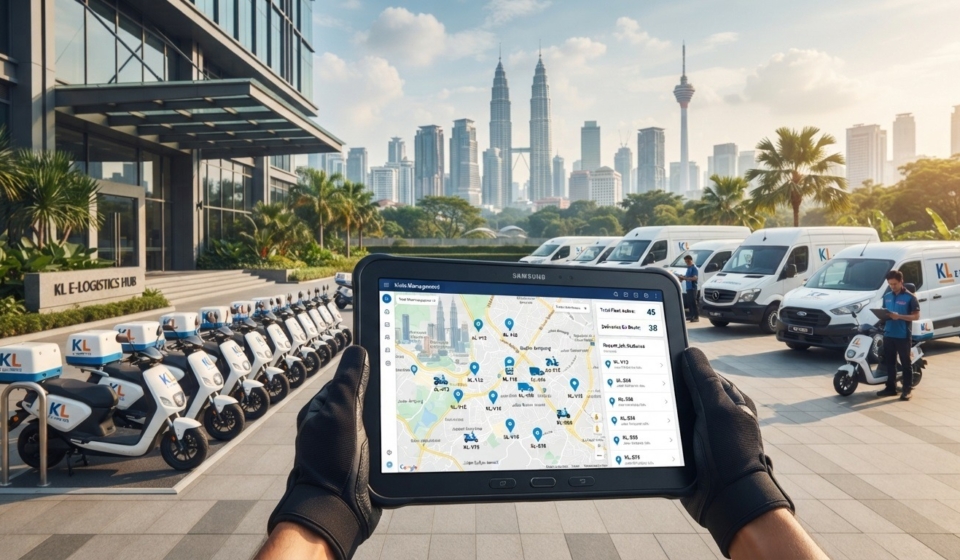
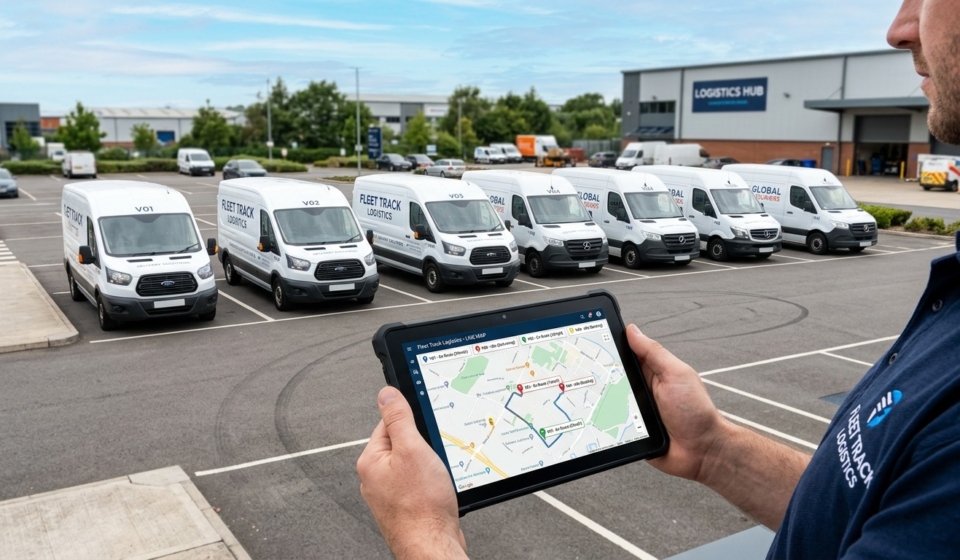
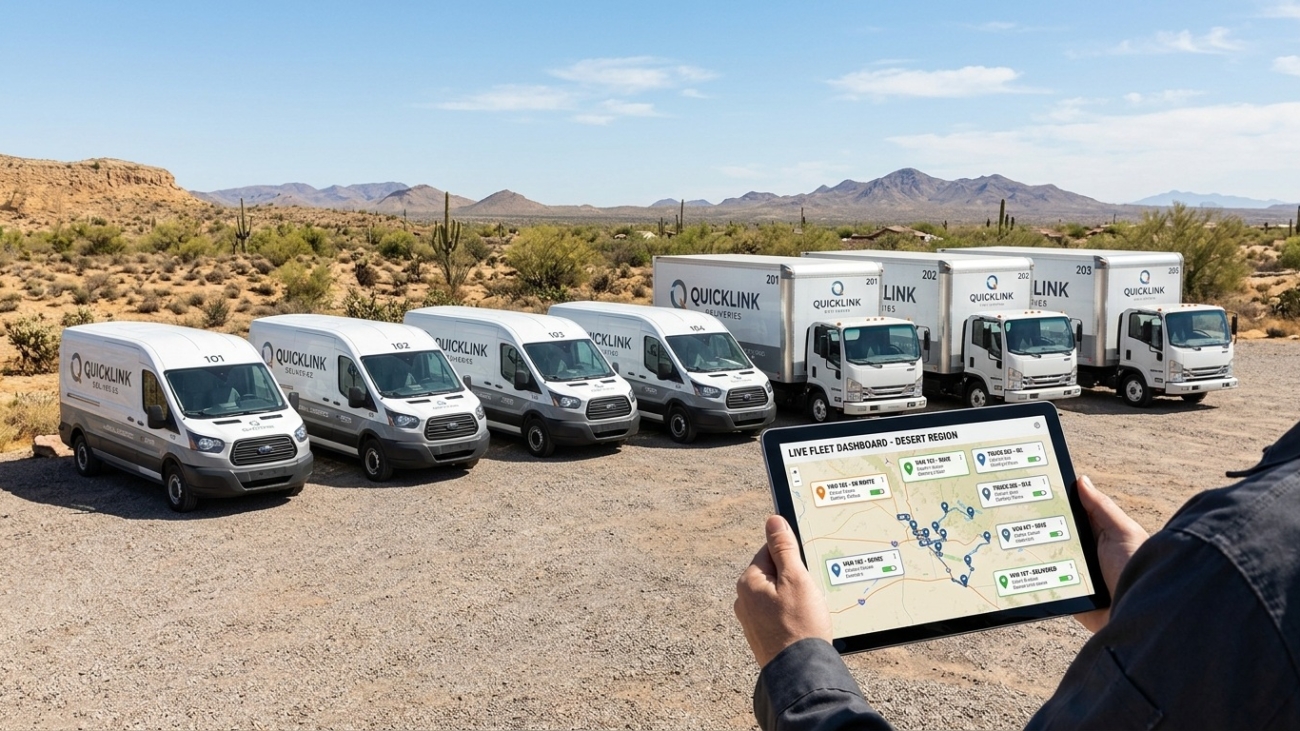
Kuwait’s economy runs on vehicles that move constantly — oil and gas transport between Burgan and Al-Zour, last-mile delivery across Kuwait City’s traffic, and construction fleets covering industrial zones like Shuwaikh. Managing even a handful of company vehicles without real-time tracking means guessing at fuel costs, routes, and driver behavior. If you’re comparing GPS tracker options for a fleet in Kuwait, here’s what actually matters beyond a single-car buying guide.

💡 Quick Tip: A fleet tracker is only as useful as its dashboard. Before buying in bulk, ask for a demo of the multi-vehicle map view and reporting tools — a great single device with a weak fleet dashboard will frustrate whoever manages it daily.

How Fleet Tracking Differs from a Personal Car Tracker

If you’ve read our GPS tracker buying guide for cars in Kuwait, you already know heat resistance and 4G reliability matter here more than almost anywhere else. Fleet tracking adds a second layer on top: you’re not just asking “where is this vehicle,” you’re asking “how efficiently is my whole fleet running,” which means the software and reporting side matters as much as the hardware.

Core Features a Kuwait Fleet Needs

Feature Why It Matters for Kuwait Fleets
Multi-vehicle dashboard See every vehicle on one live map instead of checking devices one by one
Fuel monitoring Flags fuel siphoning and inefficient routing — a real cost issue across long desert routes
Industrial-grade heat rating Hardware sitting in vehicles all day under Kuwaiti sun needs to survive sustained 60–70°C+
Geofencing per site Alerts when a vehicle leaves an authorized zone — a port, warehouse, or job site
Driver ID / RFID support Confirms which employee was driving, important for accountability and safety compliance
Exportable trip & fuel reports Needed for internal cost audits and client-facing delivery confirmations

Hardware Types Best Suited to Fleet Use

  • 🔧 Hardwired trackers — the standard for fleets. No battery to manage, hidden from casual view, and built to run continuously for years across dozens of vehicles.
  • 🔌 OBD-II trackers — faster to install across a growing fleet since no wiring work is needed, useful for smaller delivery or rental fleets that rotate vehicles.
  • 📦 Asset trackers — for non-powered equipment like trailers, generators, or containers that move around a job site or port without their own engine.
⚠️ Common Fleet Buying Mistake: Choosing hardware based on price per unit alone. A slightly cheaper tracker with a weak dashboard or poor heat tolerance often costs more over 12 months in replacement units and wasted manager time than a pricier, properly rated device.

Fuel and Route Efficiency: Where the Real Savings Are

For most Kuwait-based fleets — whether that’s an oil and gas subcontractor, a construction company, or a delivery business — the biggest cost isn’t the tracker itself, it’s fuel and route inefficiency. Fuel-sensor integration that reports directly from the vehicle can catch siphoning early and highlight which routes or drivers are burning more fuel than expected. Over a fleet of 10–20 vehicles, this kind of monitoring routinely pays for the tracking system itself within the first year.

Compliance and Driver Accountability

For regulated sectors like oil and gas transport, tracking which authorized driver is operating a given vehicle matters as much as the vehicle’s location. RFID or driver-ID integration lets fleet managers confirm that only trained, authorized personnel are behind the wheel of sensitive equipment — useful both for safety compliance and for resolving disputes after an incident.

What to Ask a GPS Tracker Supplier Before Buying in Bulk

  • What’s the tracker’s rated operating temperature, and is that tested in real desert conditions or a lab at room temperature?
  • Does the dashboard support unlimited or tiered vehicle counts, and what does pricing look like as the fleet grows?
  • Can trip and fuel reports be exported for internal audits or client reporting?
  • What’s the warranty and local support/replacement process if a unit fails in the field?
  • Is installation available on-site, or does each vehicle need to be brought to a workshop?

For a closer look at hardware options, see our Kuwait GPS tracker buying guide, or our broader GPS tracker guide for company cars for features that apply across any market.

Final Thoughts

A fleet tracking setup in Kuwait succeeds or fails on two things most single-car buyers never have to consider: whether the hardware genuinely survives sustained desert heat, and whether the dashboard actually makes a manager’s day easier rather than harder. Prioritize industrial-rated devices, a dashboard your team will actually use, and fuel-monitoring features that pay for themselves — the savings from reduced fuel waste and better route efficiency almost always outweigh the upfront hardware cost within the first year.

best GPS tracker for car Kuwait

Best GPS Tracker for Car in Kuwait : Complete Buying Guide

2026 BUYING GUIDE · KUWAIT

Best GPS Tracker for Car in Kuwait (2026): Complete Buying Guide

Kuwait’s summer heat regularly pushes past 50°C, which is far more punishing on electronics than almost any other market a GPS tracker gets sold into. Add heavy traffic through Kuwait City, long desert highway stretches, and a large logistics and oil-and-gas sector that depends on reliable fleet tracking, and it’s clear this market needs a different buying checklist than a typical review site offers. Here’s what actually matters if you’re shopping for the best GPS tracker for a car in Kuwait.

💡 Quick Tip: Check the tracker’s rated operating temperature before buying — many budget devices are only tested up to 60°C ambient, and a parked car’s interior in a Kuwaiti summer can exceed that easily. Look for industrial-grade components rated for sustained heat, not just a waterproof rating.

Why Kuwait Needs a Different Buying Checklist

Three local factors matter more here than in most GPS tracker guides. First, extreme heat is the single biggest hardware killer — consumer-grade batteries and circuit boards degrade far faster in Kuwait’s climate than manufacturer specs (usually tested in milder conditions) suggest. Second, Kuwait’s oil and gas sector, along with a growing logistics and last-mile delivery industry, relies heavily on fleet tracking to monitor vehicles across industrial zones and long desert routes. Third, dense traffic in central Kuwait City combined with fast-moving highway traffic on the Fourth Ring Road and beyond means both accurate real-time location and driver behavior monitoring carry real value for families and fleet operators alike.

If you’re managing more than one vehicle, our GPS tracker guide for company cars is worth reading alongside this one for fleet-specific features.

Types of GPS Trackers Available in Kuwait

  • 🔌 OBD-II plug-in trackers — plug directly into the car’s diagnostic port, drawing power from the vehicle rather than an internal battery, which helps sidestep heat-related battery degradation.
  • 🔧 Hardwired trackers — wired into the vehicle’s electrical system and hidden out of sight. The most heat-resilient and theft-resistant option, especially favored for fleet and oil-and-gas sector vehicles.
  • 🧲 Magnetic battery-powered trackers — attach to the undercarriage with no installation needed, but extreme heat can shorten battery life noticeably compared to the rated figure.
  • 📦 Personal/asset trackers — smaller devices for equipment, trailers, or valuables, useful across construction and logistics operations.
⚠️ Heat Warning: A vehicle parked in direct Kuwaiti summer sun can see interior temperatures well above 70°C. Magnetic and battery-powered trackers mounted where they receive direct sun exposure are the most affected. A hardwired or OBD tracker that draws vehicle power avoids this failure point entirely.

Subscription vs. No-Monthly-Fee Trackers

Type Best For Typical Cost
Subscription (4G) Theft protection, fleet monitoring across desert routes, real-time alerts KD 5–KD 12/month
No-monthly-fee City driving, budget-conscious buyers KD 0 after purchase

Subscription (4G) trackers use a local SIM on Kuwait’s well-built-out 4G/5G networks to deliver real-time location, geofencing, and full trip history — the stronger choice for theft protection and monitoring vehicles across industrial or desert routes.

No-monthly-fee trackers rely on Bluetooth crowd networks or one-time-activated low-power connections. They’re cheaper long-term and fine for city driving, but less reliable across the long, low-density desert highways connecting Kuwait’s outer regions.

Key Features to Check Before You Buy

  • High-temperature rating — look for an operating range that comfortably covers sustained 60–70°C interior conditions, not just the manufacturer’s headline number.
  • Update frequency — faster updates (every few seconds) matter for theft recovery; longer intervals are fine for general location awareness.
  • Geofencing and speed alerts — useful for monitoring new drivers, family vehicles, or employee-driven fleet vehicles.
  • Dust and sand resistance — a sealed, dust-resistant housing matters as much as waterproofing in Kuwait’s climate.
  • 4G/5G network compatibility — confirm compatibility with local carriers for consistent coverage across the country.
  • Fuel and engine data (for fleets) — valuable for logistics and oil-and-gas sector vehicles that need to track fuel usage and prevent siphoning.

Best GPS Tracker Types for Drivers in Kuwait

  • For theft protection: a hardwired 4G tracker with fast update speed and a hidden install location, fitted by a trusted workshop.
  • For fleet and logistics operators: a subscription tracker with multi-vehicle dashboard, fuel monitoring, and route reporting built for industrial and desert routes.
  • For families and new drivers: an OBD tracker with speed alerts and geofencing around home, school, and work.
  • For budget buyers: a no-monthly-fee tracker keeps ongoing costs at zero for straightforward city driving.

For a closer look at a popular plug-and-play option, see our Concox OB22 OBD tracker review, and check our full GPS tracker buying guide if this is your first purchase.

How Much Should You Expect to Pay in Kuwait?

Budget no-subscription trackers typically start around KD 15–KD 30. Mid-range 4G trackers with a monthly plan run KD 25–KD 50 upfront plus KD 5–KD 12 a month. Industrial-grade hardwired units built for sustained heat and fleet use cost more upfront but hold up far better long-term than consumer-grade hardware not designed for this climate.

Is It Legal to Track a Vehicle in Kuwait?

Tracking a vehicle you own is legal in Kuwait. As with most countries, it’s good practice to get consent before tracking a vehicle primarily driven by someone else, and employers running fleet-tracking programs should inform staff their vehicles are monitored, particularly in regulated sectors like oil and gas transport.

Final Thoughts

Choosing the best GPS tracker for a car in Kuwait comes down to one factor most buying guides overlook entirely: heat. A device that performs well in a mild climate can fail within months under sustained Kuwaiti summer temperatures. Prioritize a hardwired or OBD tracker that draws vehicle power over a battery-dependent magnetic unit, confirm a genuinely high operating-temperature rating, and choose a 4G subscription plan if your vehicle regularly covers long desert routes or industrial zones outside city coverage.

GPS Tag mini tracker Apple Find My

GPS Tag Mini Tracker Review: Apple Find My Certified, No Monthly Fee

PRODUCT REVIEW · 2026

GPS Tag Mini Tracker Review: Apple Find My Certified, No Monthly Fee

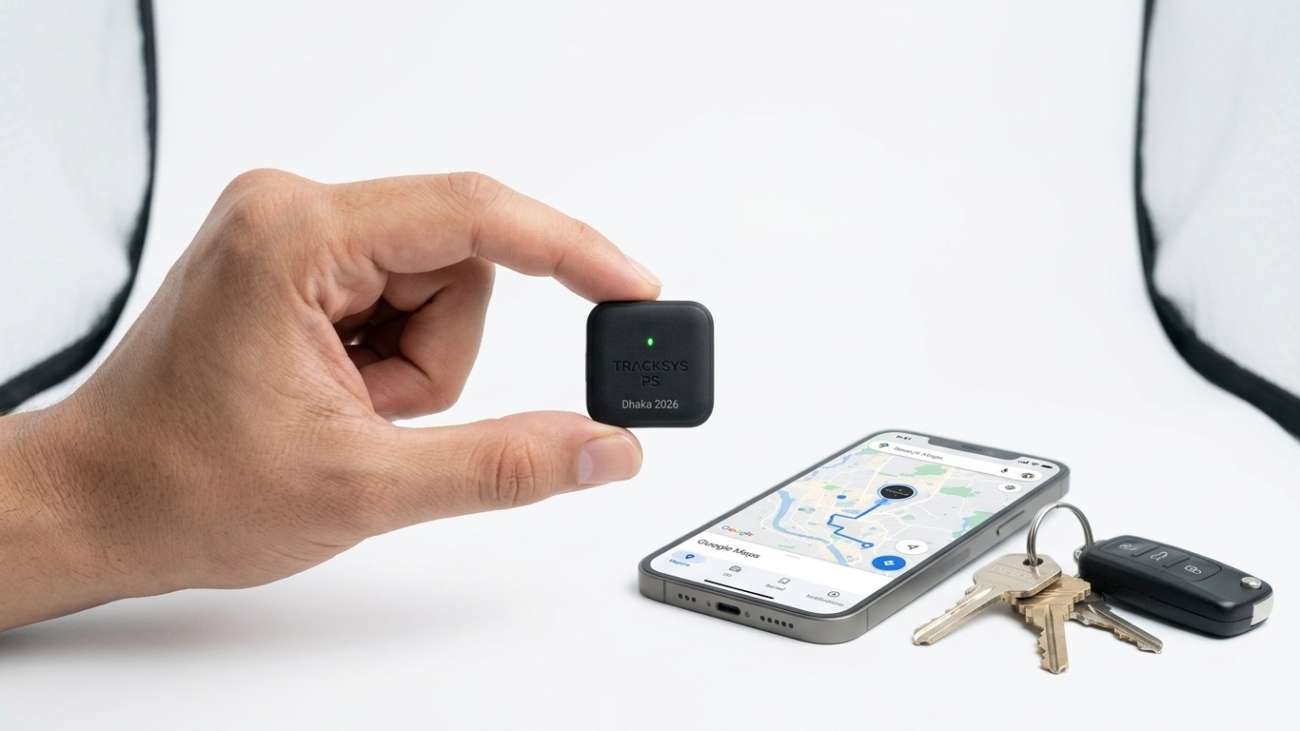
Most GPS trackers force a choice: pay a monthly subscription for real-time tracking, or accept a cheaper device with weak location accuracy. The GPS Tag mini tracker takes a different approach entirely — it’s officially Apple Find My certified, meaning it piggybacks on the millions of iPhones already around the world to report its location, with zero monthly fees and a battery rated for up to three years.

💡 Quick Tip: If most of the people around you carry an iPhone, Find My-network trackers report location almost as reliably as a cellular tracker — without ever charging you a subscription. Coverage thins out in areas with fewer iPhone users nearby.

What Is the GPS Tag Mini Tracker?

It’s a compact, coin-sized tracking tag — just 32×32×10.9mm — designed to slip into a bag, clip onto keys, or mount discreetly on a motorcycle or car. Rather than relying on its own cellular connection like a traditional 4G tracker, it uses Bluetooth to communicate with nearby Apple devices participating in the Find My network, relaying its location back to you at no ongoing cost.

Key Specs at a Glance

Spec Detail
Battery life Up to 3 years
Monthly fee None
App support Android and iOS
Location updates Auto-update roughly every 10 minutes
Network Bluetooth + Apple Find My certified
Extra features Geofence alerts, history playback, virtual odometer, battery % monitoring
Warranty 1 year
Size / color 32×32×10.9mm, Black

What Stands Out

  • 🔋 Genuinely long battery life — a 3-year rating means you install it once and largely forget about it, unlike magnetic 4G trackers that need recharging every few weeks.
  • 💸 Zero recurring cost — no monthly plan at all, plus a 365-day free account included, which makes it one of the cheapest ways to add real tracking to something you own.
  • 📱 Works on both major platforms — Android and iOS support means it’s not locked to one ecosystem, even though the Find My integration is the headline feature for iPhone owners.
  • 🗺️ More than just a dot on a map — geofence alerts, movement history playback, and a virtual odometer give it more functionality than a typical basic Bluetooth tag.

Where It Makes Sense to Use One

  • 🏍️ Motorcycles and bicycles — small enough to hide under a seat or in a storage compartment.
  • 🚗 Cars — a low-cost backup tracker alongside or instead of a full 4G unit, especially for a second vehicle.
  • 🎒 Bags and documents — useful for students, travelers, or anyone who wants a lightweight peace-of-mind tracker in a backpack.
  • 🐾 Pets and 👵 elderly family members — the compact size makes it easy to attach to a collar or carry discreetly, though it’s worth checking local regulations before tracking a person.
⚠️ Worth Knowing: Because it relies on Bluetooth and the Find My crowd network rather than its own cellular connection, location updates (roughly every 10 minutes) are less frequent than a dedicated 4G tracker. If you need sub-minute real-time tracking for theft recovery on a car, pair this with (or choose instead) a hardwired or OBD 4G tracker like the ones covered in our GPS tracker buying guide.

How It Compares to a Subscription Tracker

A traditional 4G subscription tracker — like the Concox OB22 OBD tracker we reviewed previously — reports location every few seconds anywhere there’s cell coverage, which makes it the better choice for active vehicle theft recovery or fleet monitoring. The GPS Tag trades that update speed for zero ongoing cost and a much longer battery life, making it a better fit for lower-stakes tracking: bags, bikes, secondary vehicles, or anything where “know roughly where it is” matters more than “track it live, second by second.”

Who Should Buy This

  • iPhone users who want to add Find My-style tracking to something that isn’t an Apple product.
  • Budget-conscious buyers who don’t want any recurring subscription cost.
  • Anyone tracking low-value or secondary items — bags, bikes, spare keys — where occasional location updates are enough.

If you specifically need real-time, second-by-second tracking for a primary vehicle, a 4G subscription tracker is still the better tool for the job — see our company car GPS tracker guide for options built for that use case.

Final Verdict

The GPS Tag mini tracker earns its spot for one clear reason: it removes the monthly fee entirely while still delivering genuinely useful features — geofencing, history playback, and multi-year battery life — in a package small enough to disappear into a bag or bike compartment. It’s not a replacement for a dedicated 4G vehicle tracker if real-time accuracy is critical, but as a low-cost, low-maintenance tracker for everyday items, it’s one of the easiest ways to add peace of mind without an ongoing bill.

best GPS tracker for car in Bangladesh

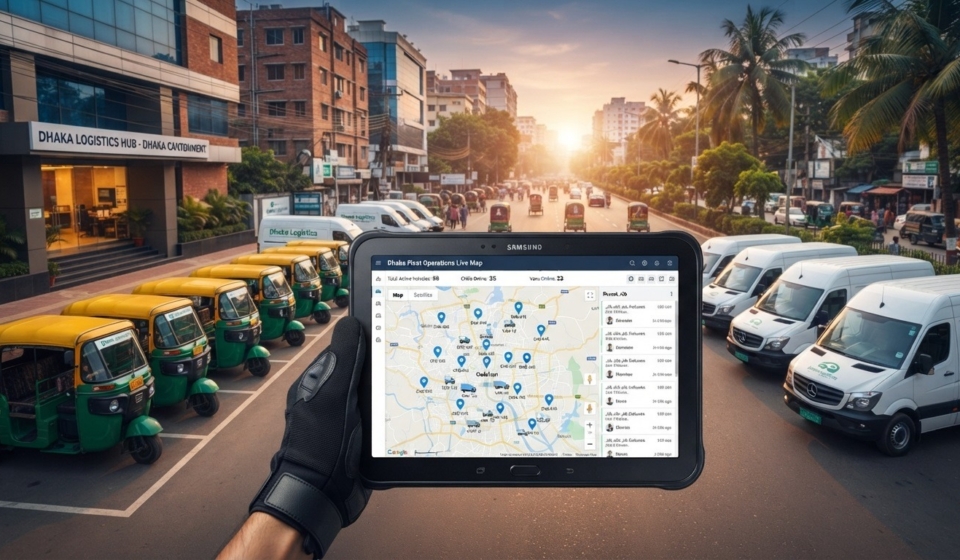
Best GPS Tracker for Car in Bangladesh (2026): Complete Price & Buying Guide

2026 BUYING GUIDE · BANGLADESH

Best GPS Tracker for Car in Bangladesh (2026): Complete Price & Buying Guide

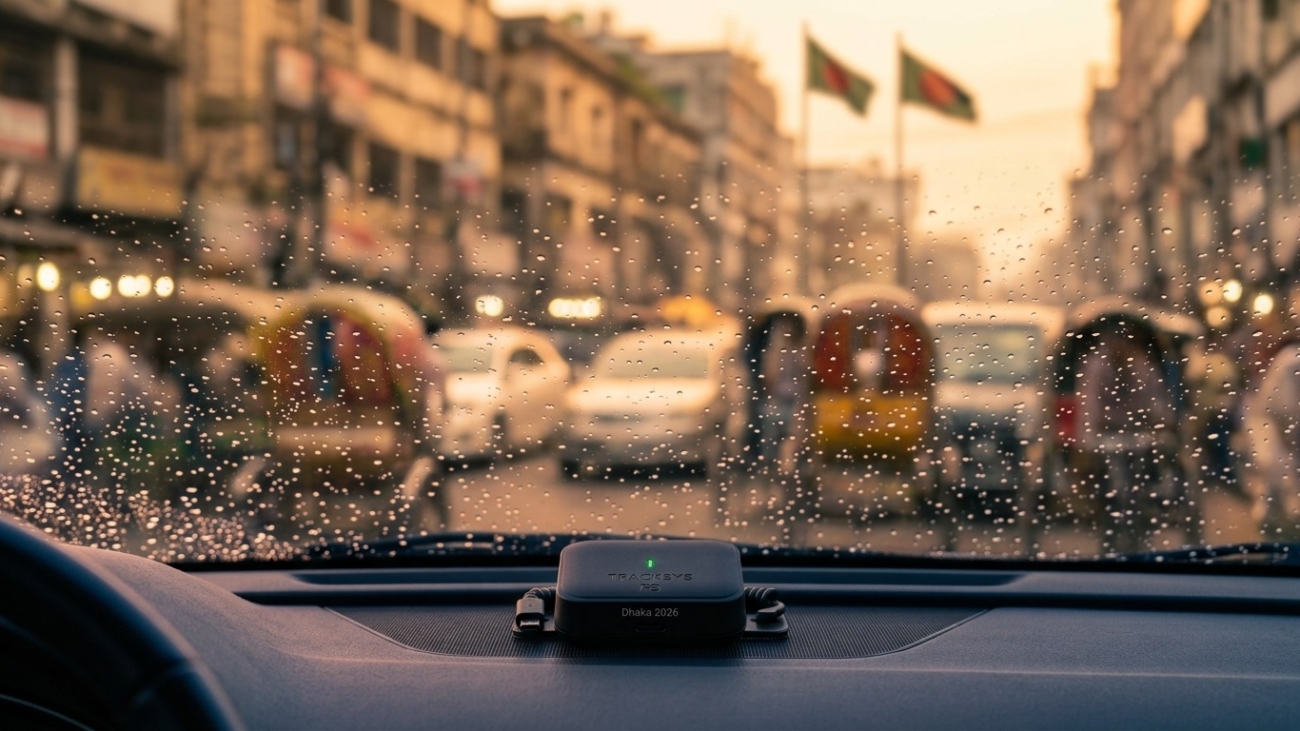
Between Dhaka’s gridlocked traffic, sudden monsoon flooding, and a steady stream of vehicle theft reports across the country, a GPS tracker has quietly become one of the most practical purchases a car owner in Bangladesh can make. Whether you’re protecting a personal car, tracking a CNG or company vehicle, or running a small delivery fleet, this guide breaks down exactly what to look for and what it actually costs in BDT.

💡 Quick Tip: If your vehicle is parked outdoors or drives through flood-prone roads during monsoon season, prioritize a tracker rated IP66 or higher — standard IP65 units aren’t built for prolonged water exposure.

Why More Car Owners in Bangladesh Are Adding a GPS Tracker

Three things are driving demand here. First, vehicle theft remains a genuine concern in Dhaka, Chattogram, and other major cities, and a tracker is one of the cheapest deterrents and recovery tools available. Second, Bangladesh’s ride-sharing and CNG economy — Pathao, Uber, and independent CNG/car owners — increasingly relies on tracking for route verification, fare disputes, and driver safety. Third, small logistics and delivery businesses need an affordable way to monitor multiple vehicles without investing in an expensive enterprise fleet system.

If you’re managing more than one vehicle for a business, our GPS tracker guide for company cars is worth reading alongside this one for fleet-specific features.

Types of GPS Trackers Available in Bangladesh

  • 🔌 OBD-II plug-in trackers — plug directly into the car’s diagnostic port under the dashboard. No wiring needed, and many pull extra data like mileage and basic engine alerts. A good fit for personal cars and ride-share drivers who want an easy self-install.
  • 🔧 Hardwired trackers — wired into the vehicle’s power source and hidden out of sight, usually installed at a workshop. The most theft-resistant option since there’s no visible device to remove.
  • 🧲 Magnetic battery-powered trackers — attach to the undercarriage with no installation at all. Convenient, but heat and humidity can shorten battery life compared to the manufacturer’s rated figure.
  • 📦 Wireless/portable trackers — compact battery-powered units (like our own 1000mAh wireless GPS tracker) that work well for CNGs, motorcycles, or moving a tracker between vehicles.
⚠️ Monsoon Season Note: Roughly June to September, sudden waterlogging is common across Dhaka and other low-lying areas. Magnetic under-car trackers are the most exposed to water during flooding. If your car regularly sits in flood-prone spots, a hardwired tracker mounted higher in the vehicle is the safer long-term choice.

Subscription vs. No-Monthly-Fee Trackers

Type Best For Typical Cost
Subscription (4G) Theft protection, fleet monitoring, real-time alerts ৳300–৳800/month
No-monthly-fee City driving, budget-conscious buyers ৳0 after purchase

Subscription (4G) trackers send live location data over a local SIM — Grameenphone, Robi, or Banglalink all offer solid 4G coverage across most of the country. You get real-time updates, geofencing, and trip history, which matters most for theft protection or monitoring vehicles across districts.

No-monthly-fee trackers rely on Bluetooth-based crowd networks or one-time-activated low-power connections. They’re cheaper to own long-term and fine for city driving, but coverage can be thinner outside Dhaka, Chattogram, and other major cities.

Key Features to Check Before You Buy

  • Waterproof rating (IP66+) — essential for monsoon season and flood-prone roads.
  • Heat tolerance — a parked car can get extremely hot inside; cheap batteries degrade faster in sustained heat.
  • Network compatibility — confirm the tracker works with local SIM/4G networks, not just a generic international SIM.
  • Update frequency — faster updates (every few seconds) matter more for theft recovery than for general location awareness.
  • Geofencing and speed alerts — useful for monitoring new drivers, employees, or a vehicle used by family members.
  • Local warranty and support — buying from a local seller means faster replacement and support instead of dealing with overseas returns.

Best GPS Tracker Types for Drivers in Bangladesh

  • For theft protection: a hardwired 4G tracker with fast update speed and a hidden install location, ideally fitted by a trusted workshop.
  • For CNG and ride-share drivers: a compact wireless or OBD tracker that’s easy to install, remove, or move between vehicles.
  • For small delivery or logistics fleets: a subscription tracker with a multi-vehicle dashboard and route/fuel reporting.
  • For budget buyers: a no-monthly-fee magnetic or wireless tracker keeps ongoing costs at zero for straightforward city driving.

For a closer look at a popular plug-and-play option, see our Concox OB22 OBD tracker review, or browse the full GPS tracker buying guide if this is your first purchase.

How Much Does a GPS Tracker Cost in Bangladesh?

Budget wireless and no-subscription trackers typically start around ৳1,200–৳2,500. Mid-range 4G trackers with a monthly plan run ৳2,500–৳5,000 upfront plus ৳300–৳800 a month. Professionally installed hardwired units with workshop fitting cost more upfront but offer the most reliable long-term protection against Dhaka traffic, heat, and monsoon conditions.

Is It Legal to Track a Vehicle in Bangladesh?

Tracking a vehicle you own is legal in Bangladesh. As with most places, it’s good practice to get consent before tracking a vehicle primarily driven by someone else — a family member, driver, or employee — and businesses running fleet-tracking programs should let staff know their vehicles are monitored. This avoids any dispute later and keeps things transparent.

Final Thoughts

Choosing the best GPS tracker for a car in Bangladesh comes down to matching the device to real local conditions: monsoon flooding, heat, dense traffic, and the practical needs of CNG and ride-share driving all put more strain on hardware than a generic spec sheet suggests. Prioritize a genuine IP66+ waterproof rating, confirm it works reliably on local 4G networks, and buy from a seller who offers local warranty support rather than relying on an overseas listing alone.

best GPS tracker for car Malaysia

Best GPS Tracker for Car in Malaysia (2026): Complete Buying Guide

2026 BUYING GUIDE · MALAYSIA

Best GPS Tracker for Car in Malaysia (2026): Complete Buying Guide

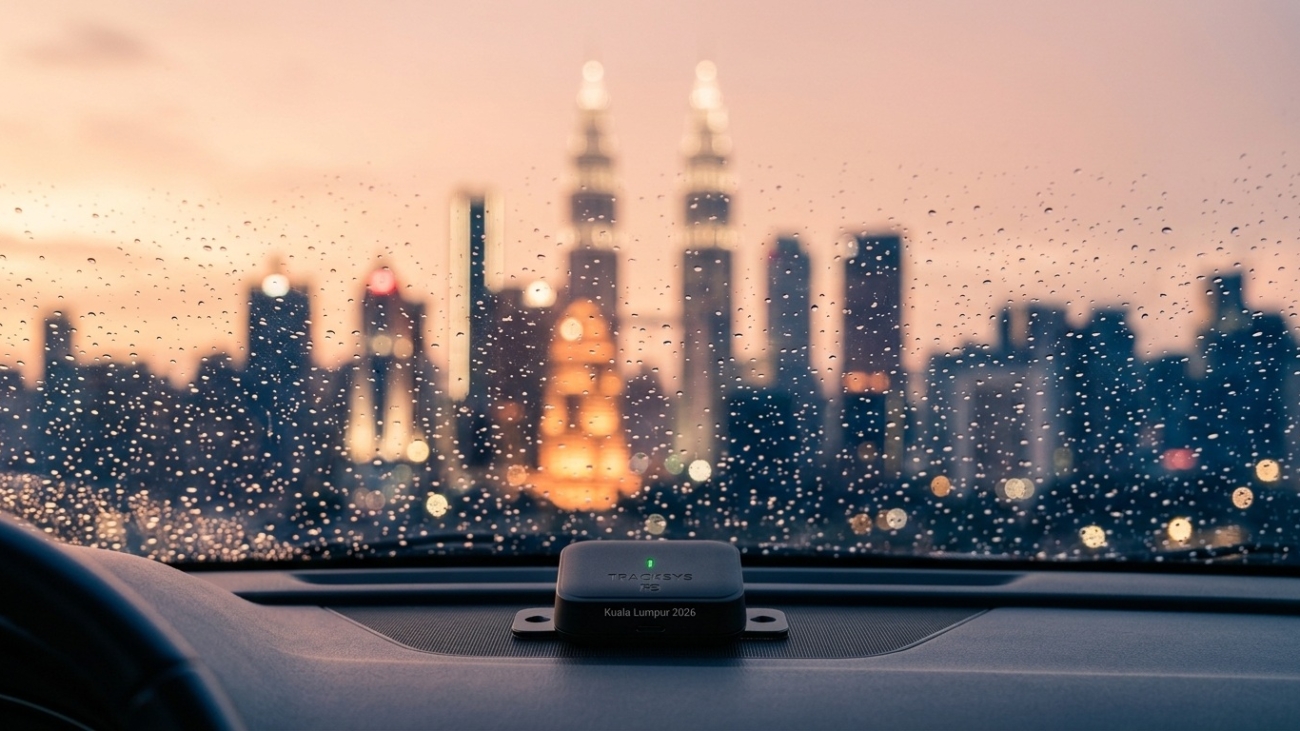
From flash floods during monsoon season to bumper-to-bumper traffic on the LDP and NKVE, Malaysian roads put a GPS tracker through a very different test than most buying guides account for. Whether you’re protecting a personal car from theft, tracking a Grab or e-hailing vehicle, or managing a small delivery fleet, this guide breaks down exactly what to look for — and what actually holds up in local conditions.

💡 Quick Tip: If your car is parked outdoors or you drive through flood-prone areas during monsoon season, prioritize a tracker rated IP66 or higher — standard IP65 units struggle with prolonged water exposure, not just splashes.

Why More Malaysian Drivers Are Buying GPS Trackers in 2026

Vehicle theft and “snatch and grab” incidents remain a real concern in parts of Klang Valley, Johor Bahru, and Penang, pushing more car owners toward affordable tracking as a low-cost insurance supplement. At the same time, Malaysia’s booming e-hailing and delivery economy — Grab, food delivery riders, and small logistics operators — has created huge demand for trackers that help drivers prove routes, monitor fuel use, and reassure both passengers and families. Add in unpredictable monsoon flooding and daily KL traffic jams, and a tracker that can survive heat, humidity, and heavy rain isn’t a luxury — it’s a practical requirement.

If you’re managing more than one vehicle for a small business, our GPS tracker guide for company cars is worth reading alongside this one for fleet-specific features.

Types of GPS Trackers Available in Malaysia

  • 🔌 OBD-II plug-in trackers — plug directly into the car’s diagnostic port under the dashboard. No wiring needed, and many pull extra data like mileage and basic engine alerts. Great for personal cars and Grab drivers who want an easy self-install.
  • 🔧 Hardwired trackers — wired into the vehicle’s power source and hidden out of sight, typically installed by a workshop. The most theft-resistant option since there’s no visible device to remove.
  • 🧲 Magnetic battery-powered trackers — attach to the undercarriage with no installation at all. Convenient, but Malaysia’s heat and humidity can shorten battery life compared to the manufacturer’s rated figure.
  • 📦 Personal/asset trackers — smaller units for motorcycles, delivery boxes, or valuables, popular with food delivery riders and small logistics operators.

Built for Malaysian Conditions: What to Actually Check

Feature Why It Matters Here
Waterproof rating (IP66+) Handles monsoon flooding and heavy tropical downpours, not just light rain
Heat tolerance Parked cars can exceed 60°C inside — cheap batteries degrade faster in this heat
4G/LTE network support Confirms compatibility with Malaysian carriers (Maxis, Celcom, Digi, U Mobile)
Geofencing & speed alerts Useful for monitoring new drivers or e-hailing/delivery routes
App language & support Local sellers often provide Bahasa Malaysia support and faster warranty service

Subscription vs. No-Monthly-Fee Trackers

Subscription (4G) trackers send live location data over a local SIM, typically costing RM 15–RM 40 a month. You get real-time updates, geofencing, and full trip history — the better choice for theft protection or monitoring a fleet across the Klang Valley or between states.

No-monthly-fee trackers rely on Bluetooth-based crowd networks or one-time-activated low-power connections. They’re cheaper to own long-term and fine for a car that mostly stays within one city, but coverage can be patchy in less populated areas outside major towns.

⚠️ Monsoon Season Note: Between roughly November and March (east coast) or during sudden Klang Valley flash floods, magnetic under-car trackers are the most exposed to water. If your car is ever parked in a flood-prone area, a hardwired tracker mounted higher in the vehicle is the safer long-term choice.

Best GPS Tracker Types for Malaysian Drivers

  • For theft protection: a hardwired 4G tracker with fast update speed and a hidden install location, ideally fitted by a trusted workshop.
  • For Grab and e-hailing drivers: an OBD plug-in tracker with trip history and mileage logging, easy to self-install and remove between vehicles.
  • For small delivery fleets: a subscription tracker with a multi-vehicle dashboard and route/fuel reporting rather than a single-car consumer app.
  • For budget buyers: a no-monthly-fee magnetic tracker keeps ongoing costs at zero, best suited to city driving with consistent Bluetooth network coverage.

For a closer look at a popular plug-and-play option, check our Concox OB22 OBD tracker review, and see our full GPS tracker buying guide if this is your first purchase.

How Much Does a GPS Tracker Cost in Malaysia?

Budget no-subscription magnetic trackers typically start around RM 80–RM 150. Mid-range 4G trackers with a monthly plan run RM 150–RM 300 upfront plus RM 15–RM 40 a month. Professionally installed hardwired units with warranty-backed workshop fitting cost more upfront but hold up best against Malaysia’s heat, humidity, and monsoon conditions over the long run.

Is It Legal to Track a Vehicle in Malaysia?

Tracking a vehicle you own is legal in Malaysia. As in most countries, it’s good practice to get consent before tracking a vehicle primarily driven by someone else — a spouse, family member, or employee — and employers running fleet-tracking programs should inform staff that vehicles are monitored. This keeps things straightforward and avoids any dispute down the line.

Final Thoughts

Choosing the best GPS tracker for a car in Malaysia comes down to matching the device to your actual conditions: heat, humidity, monsoon rain, and dense city traffic all put more strain on hardware than most manufacturer specs assume. Prioritize a genuine IP66+ waterproof rating, confirm 4G compatibility with local carriers, and lean toward a hardwired install if theft protection is your main concern. Whichever option you pick, check real local reviews rather than the product listing alone — hardware failures here are almost always about weather resistance, not the GPS chip itself.

best GPS tracker for car Canada

Best GPS Tracker for Car in Canada (2026): Complete Cold-Weather Buying Guide

2026 BUYING GUIDE · CANADA

Best GPS Tracker for Car in Canada (2026): Complete Cold-Weather Buying Guide

Canada presents a challenge most GPS tracker reviews never mention: cold weather kills battery performance. A tracker rated for 3 months of battery life in a mild climate can drop to half that once temperatures fall below freezing for months at a time. If you’re shopping for the best GPS tracker for a car in Canada, this guide covers what actually matters here — from winter battery drain to rural cellular coverage — so you don’t end up with a tracker that stops reporting the moment the snow starts.

💡 Quick Tip: Manufacturer battery ratings are measured at room temperature. If you live somewhere with a real winter, look specifically for an operating range that includes at least -20°C — many budget trackers are only rated to -10°C.

Why Canadian Drivers Need a Different Buying Checklist

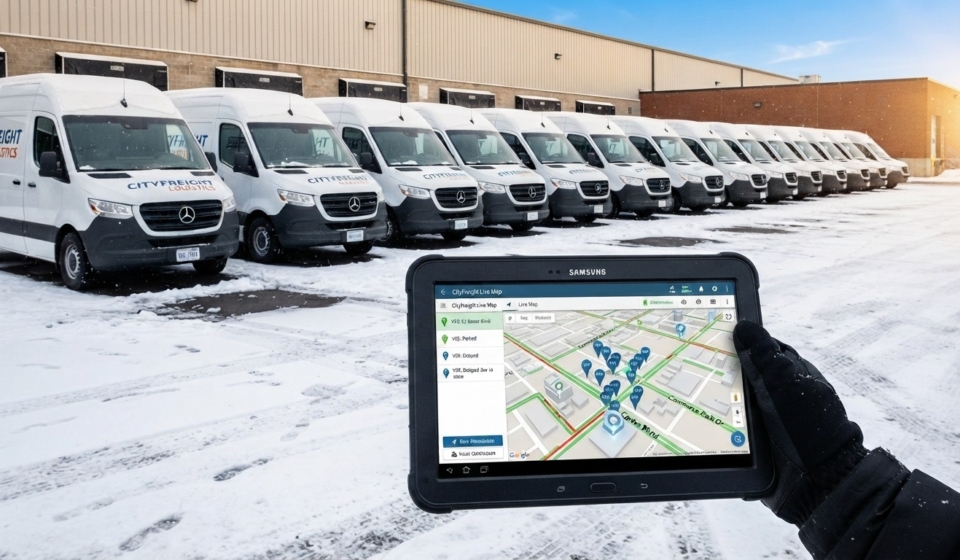
Three factors make Canada different from most GPS tracker markets. First, extreme cold (common across the Prairies, Northern Ontario, and Quebec winters) significantly shortens battery life on magnetic, non-hardwired trackers — lithium batteries lose efficiency below -10°C. Second, large stretches of rural highway in provinces like Saskatchewan, Manitoba, and Northern BC have patchy cellular coverage, so a tracker’s network compatibility matters more than in dense urban markets. Third, cross-border driving and trucking between Canada and the U.S. is common, so many Canadian buyers specifically need a tracker that keeps working seamlessly once it crosses into American cell networks.

If you’re also managing more than one vehicle, our GPS tracker guide for company cars covers fleet-specific features worth comparing against the personal-use picks below.

Types of GPS Trackers Available to Canadian Buyers

  • 🔌 OBD-II plug-in trackers — plug into the diagnostic port and draw power directly from the car, which sidesteps the cold-weather battery problem entirely. A strong choice for anyone driving through a Canadian winter.
  • 🔧 Hardwired trackers — wired into the vehicle’s electrical system and hidden out of sight. Like OBD trackers, they never rely on an internal battery, making them the most cold-weather-reliable option for theft recovery.
  • 🧲 Magnetic battery-powered trackers — stick to the undercarriage with no installation needed, but expect real-world battery life to run noticeably shorter than the manufacturer’s stated figure once temperatures drop.
  • 📦 Personal/asset trackers — smaller devices for trailers, snowmobiles, ATVs, and other seasonal equipment that sits outside for months at a time.
⚠️ Cold Weather Warning: In practice, Canadian winter conditions can cut a magnetic tracker’s advertised battery life by 30–50%, especially if the vehicle sits outside overnight. If you live somewhere with real winters — Alberta, Manitoba, Saskatchewan, interior BC, most of Quebec and Atlantic Canada — strongly consider a hardwired or OBD tracker instead of a magnetic battery unit.

Subscription vs. No-Monthly-Fee Trackers in Canada

Type Best For Typical Cost (CAD)
Subscription (4G) Rural routes, cross-border driving, winter reliability $15–$30/month
No-monthly-fee City driving, budget-conscious buyers $0 after purchase

Subscription (cellular) trackers run on 4G/LTE networks and typically cost $15–$30 CAD a month in Canada. In exchange, you get real-time location updates, geofencing, speed alerts, and full trip history — important if the vehicle regularly travels through rural or cross-border routes.

No-monthly-fee trackers rely on Bluetooth-based crowd networks or low-power one-time-activated connections. They’re cheaper long-term and fine for city driving, but in less densely populated Canadian regions, fewer nearby devices means location updates can be sparse or delayed.

Key Features to Check Before You Buy

  • Cold-weather battery rating — look specifically for an operating temperature range that includes at least -20°C.
  • Network coverage in your province — confirm the tracker’s carrier partner has strong coverage in the specific region you drive, not just major cities.
  • Update frequency — 3–10 second updates for theft recovery and teen-driver monitoring; longer intervals are fine for general location awareness.
  • Geofencing and speed alerts — useful for new drivers and for knowing when a vehicle leaves a job site or designated area.
  • Waterproof and weatherproof rating — road salt, slush, and freeze-thaw cycles are harsher on external hardware than rain alone, so look for at least IP65.
  • Cross-border functionality — if you drive into the U.S. regularly, confirm the tracker’s plan includes cross-border coverage without extra roaming charges.

Top GPS Tracker Types for Canadian Drivers Right Now

  • For winter reliability: an OBD or hardwired tracker that draws power from the vehicle avoids the cold-weather battery drop entirely.
  • For theft recovery: a hardwired 4G tracker with fast update speed and a hidden install location gives the best odds of recovery in an urban car theft situation.
  • For rural and cross-border driving: prioritize a subscription tracker with strong carrier coverage and confirmed U.S. roaming rather than a Bluetooth-dependent no-fee tracker.
  • For families and teen drivers: look for driving-behavior scoring, speed alerts, and geofencing around home, school, and work.
  • For seasonal equipment: a rugged battery-powered asset tracker rated for extreme cold works well for trailers, snowmobiles, and ATVs stored outdoors.

For plug-and-play options specifically, our Concox OB22 OBD tracker review is a useful comparison point, and the general GPS tracker buying guide covers the fundamentals if this is your first tracker purchase.

Is It Legal to Track a Vehicle in Canada?

Tracking a vehicle you own is legal across all Canadian provinces. As with most countries, it becomes more nuanced with financed vehicles, shared-custody situations, or vehicles primarily driven by another adult, where consent from the primary driver is generally expected. Employers tracking company-owned fleet vehicles are typically permitted provided employees are informed, in line with provincial privacy legislation (such as PIPEDA at the federal level).

How Much Should You Expect to Pay in Canada?

Budget no-subscription magnetic trackers typically start around $30–$50 CAD. Mid-range 4G trackers run $40–$80 CAD upfront plus $15–$30 CAD monthly. Hardwired professional units with strong cold-weather ratings and lifetime plans cost more upfront but remove the recurring bill and the winter battery concern altogether — often the better long-term value for anyone dealing with real Canadian winters.

Final Thoughts

The right GPS tracker for a car in Canada comes down to one question most other buying guides never ask: how does it perform once the temperature drops? If you live somewhere with a real winter, prioritize a hardwired or OBD tracker that draws vehicle power over a magnetic battery unit, confirm real cold-weather ratings rather than trusting the marketing copy, and double-check network coverage for the specific roads you actually drive — especially if that includes rural highways or the U.S. border.

best GPS tracker for car USA

Best GPS Tracker for Car in the USA (2026): Complete Buying Guide

2026 BUYING GUIDE · USA

Best GPS Tracker for Car in the USA (2026): Complete Buying Guide

Vehicle theft in the United States has climbed sharply over the past few years, and insurance premiums have followed. At the same time, more parents, small fleet owners, and everyday drivers are realizing that a $30–$150 GPS tracker can save them thousands of dollars — not just in a worst-case theft scenario, but in everyday peace of mind. If you’re shopping for the best GPS tracker for a car in the USA, this guide breaks down exactly what to look for, which types of trackers make sense for which situation, and where to start if you’ve never bought one before.

💡 Quick Tip: Confirm any tracker you’re considering runs on an active U.S. LTE-M or 4G network before buying — older 3G-based trackers have been phased out across major U.S. carriers and will simply stop reporting location.

Why More U.S. Drivers Are Adding a GPS Tracker in 2026

Three trends are driving the surge in GPS tracker adoption across the USA this year. First, auto theft rates in several major metro areas remain well above pre-2020 levels, pushing insurers to offer discounts for vehicles with active tracking. Second, teen driver monitoring has become mainstream — parents want speed alerts and geofence notifications, not just a dot on a map. Third, small business owners running delivery vans, landscaping trucks, or rideshare fleets need a low-cost way to confirm routes and reduce fuel waste without paying for a full enterprise fleet system.

If you’re comparing devices for a personal vehicle versus a small business fleet, it’s worth reading our GPS tracker guide for company cars alongside this one, since fleet buyers usually weigh a slightly different set of features.

Types of GPS Trackers Available in the USA

  • 🔌 OBD-II plug-in trackers — plug directly into your car’s diagnostic port. No wiring, no battery to charge, and many pull extra data like engine fault codes and fuel usage. Best for daily drivers you already have easy access to.
  • 🔧 Hardwired trackers — wired straight into the vehicle’s power source, hidden behind a panel or under the dash. These never run out of battery and are much harder for a thief to find, making them the top choice for anti-theft use cases.
  • 🧲 Magnetic battery-powered trackers — stick to the undercarriage with a magnetic case. No installation needed, fully portable between vehicles, but battery life (anywhere from a few weeks to several months) becomes the main trade-off.
  • 📦 Personal/asset trackers — smaller devices meant for bags, trailers, equipment, or even pets, often reusing the same cellular network as car trackers.

Subscription vs. No-Monthly-Fee Trackers: Which Should You Choose?

Type Best For Typical Cost
Subscription (4G) Theft recovery, long-distance fleet monitoring, real-time alerts $10–$25/month
No-monthly-fee General location awareness, city driving, budget-conscious buyers $0 after purchase

Subscription (cellular) trackers use a built-in SIM card on a 4G/LTE network to send live location data anywhere there’s cell coverage — even across state lines or the whole country. You’ll get true real-time tracking, geofencing alerts, and history logs.

No-monthly-fee trackers typically rely on Bluetooth plus crowd-sourced networks (similar to how Apple’s Find My network works) or a one-time-activated low-power connection. They’re significantly cheaper to own long-term but usually update location less frequently.

Key Features to Check Before You Buy

  • Update frequency — some trackers report every 3–5 seconds, others only every few minutes. Faster updates matter more for theft recovery and teen driving alerts.
  • Battery life — ranges from a week on tiny personal trackers to 6+ months on dedicated magnetic car trackers. Hardwired and OBD trackers avoid this issue entirely.
  • Geofencing and speed alerts — essential if you’re monitoring a teen driver or an employee vehicle.
  • Waterproofing and build quality — magnetic under-car trackers are exposed to rain, road salt, and temperature swings, so an IP65+ rating matters.
  • App usability — a cluttered or unreliable app defeats the purpose of real-time tracking. Check recent App Store/Play Store reviews before buying, not just the product listing.
  • Network coverage — confirm the tracker uses an active LTE-M or 4G network in your state.

Top GPS Tracker Types for U.S. Drivers Right Now

  • For theft recovery: a hardwired or magnetic 4G tracker with sub-10-second update speed and a lifetime-warranty option gives law enforcement the fastest, most reliable location data.
  • For teen or new drivers: an OBD plug-in tracker with speed alerts and driving-behavior scoring is the easiest to install and monitor without touching the car’s wiring.
  • For budget-conscious owners: a no-monthly-fee magnetic tracker keeps ongoing costs at zero, especially useful for a second vehicle or a car that’s rarely driven long distances.
  • For small fleets: look for a device with a business dashboard, multi-vehicle view, and exportable trip/fuel reports rather than a consumer-focused single-car app.

For a closer look at OBD-style plug-in options specifically, our Concox OB22 OBD tracker review covers how plug-and-play voice-enabled tracking works in practice, and our full GPS tracker buying guide walks through general vehicle-tracking fundamentals if you’re brand new to this.

⚠️ Legal Note: Tracking a vehicle you own outright is legal in every U.S. state. It gets more nuanced with financed vehicles, company cars, and vehicles used by another adult driver — most states require ownership or consent of the primary driver before installing a tracker. Check your state’s specific rules before tracking a vehicle you don’t exclusively drive.

How Much Should You Expect to Pay?

Budget no-subscription magnetic trackers typically start around $20–$40. Mid-range 4G trackers with a monthly plan run $25–$60 upfront plus a $10–$25 monthly fee. Hardwired professional-grade units with lifetime warranties and no-fee lifetime plans can run higher upfront but eliminate recurring costs entirely. For most personal-vehicle buyers, a $30–$50 device with a $15/month plan hits the sweet spot between real-time accuracy and long-term cost.

Final Thoughts

The right GPS tracker for your car in the USA depends far more on your use case than on any single “best” product. Theft-prevention buyers should prioritize update speed and discreet hardwired installation. Parents should prioritize driving-behavior alerts. Budget-focused owners should lean toward no-monthly-fee magnetic trackers. Whichever direction you go, confirm the device runs on an active U.S. LTE network before buying, and check real app reviews — the hardware rarely fails first; the software experience usually does.

best gps tracker

Best GPS Tracker for Vehicles : Complete Buying Guide

Best GPS Tracker for Vehicles in 2026: Complete Buying Guide

Bbest gps tracker for vehicles: Complete Buying Guide

Everything you need to know before you buy — updated for 2026

Finding the best GPS tracker in 2026 shouldn't feel like guesswork. Walk into any electronics store or scroll through an online marketplace and you'll see dozens of devices claiming to be the top pick — hardwired trackers, plug-in OBD trackers, portable battery units, and tiny magnetic trackers the size of a matchbox. Each type solves a different problem, so picking the wrong one usually means wasted money and a frustrating first week.

In this guide, you'll learn exactly how to choose the right tracker for your situation, whether that's protecting a personal car, watching over a teen driver, running a small delivery fleet, or securing valuable equipment. If you're shopping specifically for the Gulf region, our dedicated guides on the best GPS tracker in UAE and best GPS tracker for cars in Qatar, UAE & Saudi Arabia go even deeper on local network compatibility .

Why GPS Trackers Are More Popular Than Ever

Vehicle theft, cargo diversion, and unauthorized vehicle use have pushed more drivers and businesses toward real-time tracking. At the same time, GPS hardware has become cheaper and more compact, while the mobile data plans that power these devices have dropped in price across most regions — from North America to the Gulf states to South Asia. A tracker that once cost hundreds of dollars and needed professional installation can now be self-installed in minutes for a fraction of the price.

Beyond simple theft recovery, trackers are now widely used for:

  • Fleet management and fuel-cost reduction for small businesses
  • Monitoring teen or elderly drivers for peace of mind
  • Tracking rental vehicles, trailers, and construction equipment
  • Qualifying for insurance discounts, since many insurers reward tracked vehicles
  • Recovering stolen motorcycles, cars, and boats
Good to know: if you only need the basics for a personal car, our complete buying guide for the best gps tracker for vehicles is a great starting point before you dive into the details below.

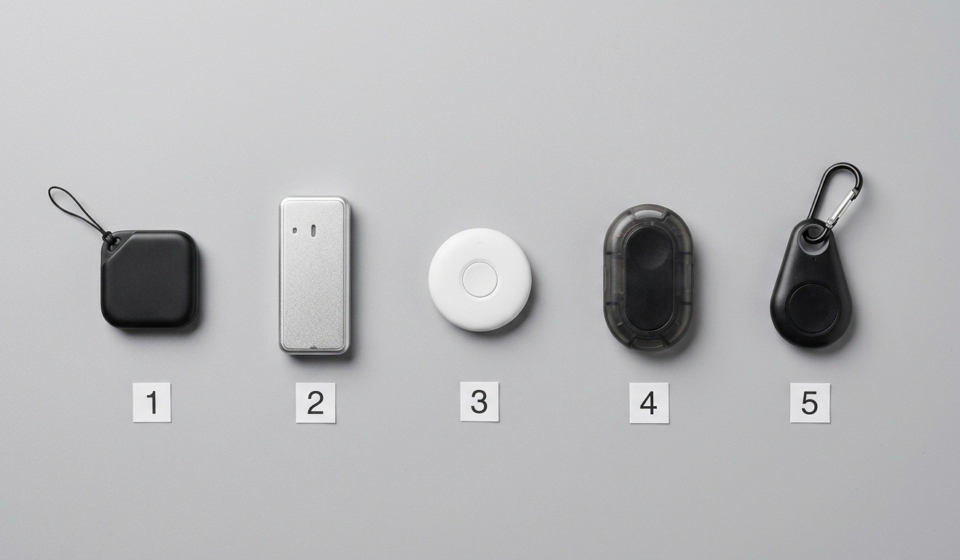
Types of GPS Trackers You Can Buy in 2026

1. Hardwired GPS Trackers

These connect directly to a vehicle's battery or wiring harness and are hidden inside the dashboard. Because they draw power continuously, they never need charging and are the most reliable option for long-term, covert tracking — the top choice for fleet operators and anyone worried about a thief unplugging the device.

2. OBD Plug-In Trackers

These plug straight into the OBD-II port found in almost every car made after 1996. Installation takes seconds, no tools required. The trade-off is visibility, since the port sits under the dashboard. Still, for everyday drivers who want a fast setup plus diagnostic data like engine codes and fuel efficiency, OBD trackers are excellent value. Our review of the OBD with Voice (OB22) from Concox is a good example of what modern OBD trackers can do.

3. Portable Battery-Powered Trackers

Fully wireless units that rely on an internal rechargeable battery, often lasting from a few days to several months depending on reporting frequency. They're ideal for trailers, shipping containers, boats, or personal bags. If long battery life matters to you, see how the wireless best gps tracker for vehicles with 1000mAh battery handles real-time tracking without a wired power source.

4. Dash Cam + GPS Combo Trackers

A growing category for 2026 combines video recording with live location tracking in a single unit, which is especially useful for accident evidence and fleet accountability. The Concox JC182 Dash Cam review breaks down how this hybrid approach performs in daily use.

Key Features to Compare Before You Buy

FeatureWhy It Matters
Real-time vs. passive trackingReal-time sends live location over cellular data; passive only stores data for later — not useful for theft recovery.
Subscription costMost trackers need a $10–$30/month data plan; a few "no monthly fee" models use Bluetooth instead of cellular.
Geofencing & alertsGet notified instantly if a vehicle leaves or enters a set zone.
Battery lifeRanges from days to 6+ months depending on how often it reports.
WeatherproofingLook for IP65+ rating if the tracker will be mounted outside the cabin.
App qualityA clean map, trip history, and mileage export matter as much as the hardware.

How Much Should You Expect to Pay?

Entry-level OBD and portable trackers typically start around $20–$40 for the hardware, plus a monthly data plan. Professional-grade hardwired trackers with advanced fleet features can run $50–$150 upfront, with business-tier subscriptions costing more per vehicle. For a single personal car, an OBD tracker is usually the most cost-effective starting point. Fleet owners managing five or more vehicles should ask about bulk subscription pricing, which most providers offer. For a deeper cost breakdown aimed at businesses, check our guide to the best GPS tracker for company cars.

Regional Buying Considerations

Availability and network compatibility vary by country. Buyers in the United States and Canada generally have the widest selection of LTE-compatible trackers with nationwide coverage. In the Gulf region — including Dubai and the wider UAE, Saudi Arabia, and Qatar — look specifically for trackers that support local SIM/eSIM networks or come with a pre-installed regional data plan, since not every device sold internationally works out of the box. Buyers in Malaysia should confirm 4G band compatibility with local carriers before purchasing. If you're in Bangladesh or elsewhere in South Asia, portable and OBD trackers with local SIM support tend to be the easiest to set up without importing hardware. For a general technical overview of how these devices work, Wikipedia's GPS tracking unit entry is a solid neutral reference.

Common Mistakes to Avoid select best gps tracker for vehicles

  • Buying on price alone — the cheapest tracker often has the weakest app and support.
  • Ignoring the subscription cost — a $20 tracker with a $25/month plan costs more over a year than a $60 tracker with a $10/month plan.
  • Skipping network compatibility checks — a tracker built for one region's cellular bands may not work reliably in another.
  • Underestimating installation difficulty — hardwired units offer the best security but may need professional installation.
  • Not reading app reviews — hardware is only half the experience.

Final Verdict: Which GPS Tracker Should You Choose?

For most personal vehicle owners, an OBD plug-in tracker offers the best balance of easy installation, price, and features. If theft prevention is your top priority, a hardwired tracker is worth the extra installation effort. For trailers or equipment without their own power source, a portable battery-powered tracker wins. Whatever you choose, prioritize real-time tracking, a reliable app, and transparent subscription pricing over flashy marketing claims.

Want a model-by-model comparison for your exact region?

Browse all GPS tracker reviews on ProGPSTracker →

Tags: GPS Tracker, Vehicle Tracking, Car Security, Fleet Management, OBD Tracker, Portable GPS, Anti-Theft Device