



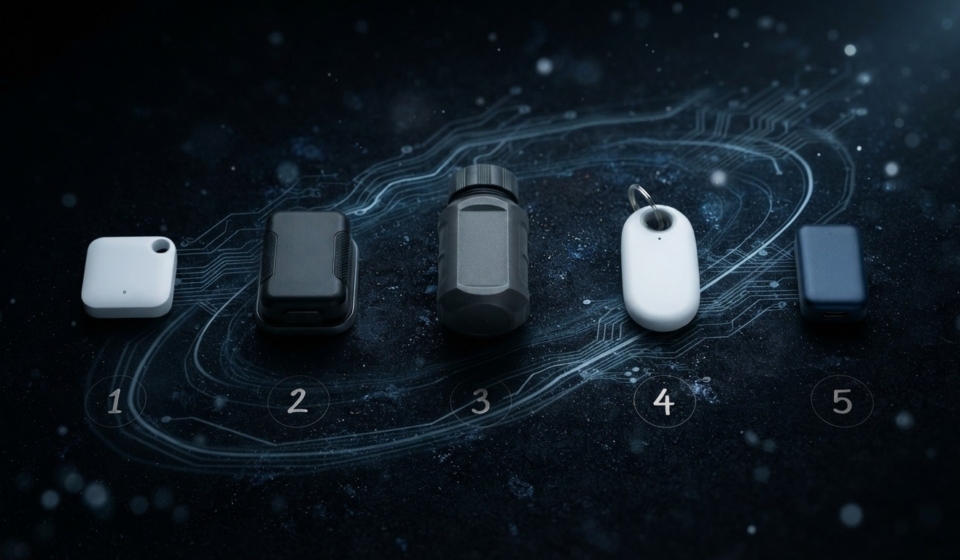
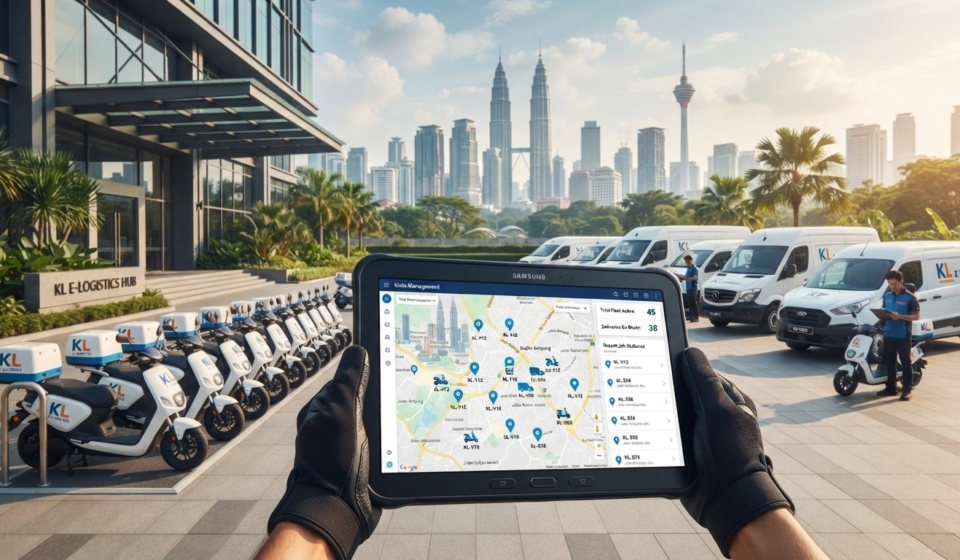
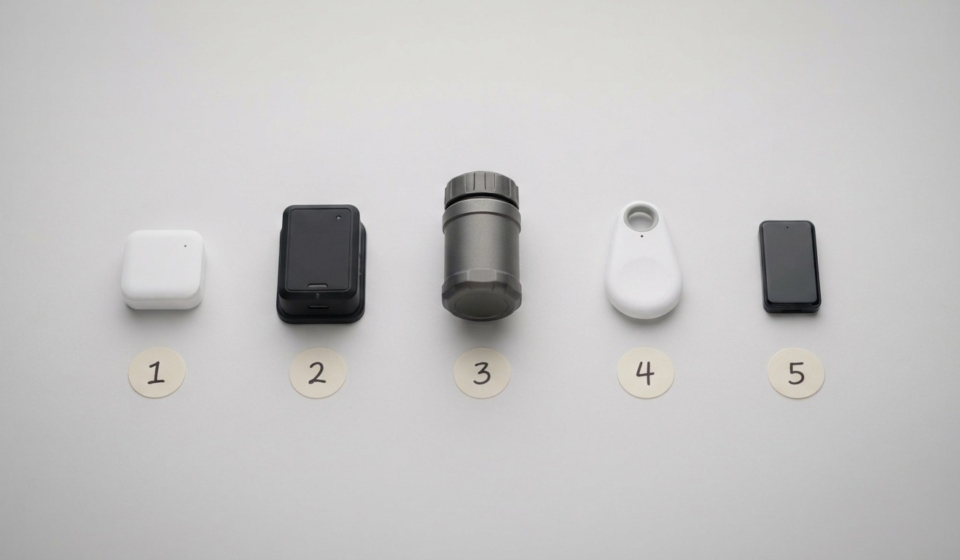
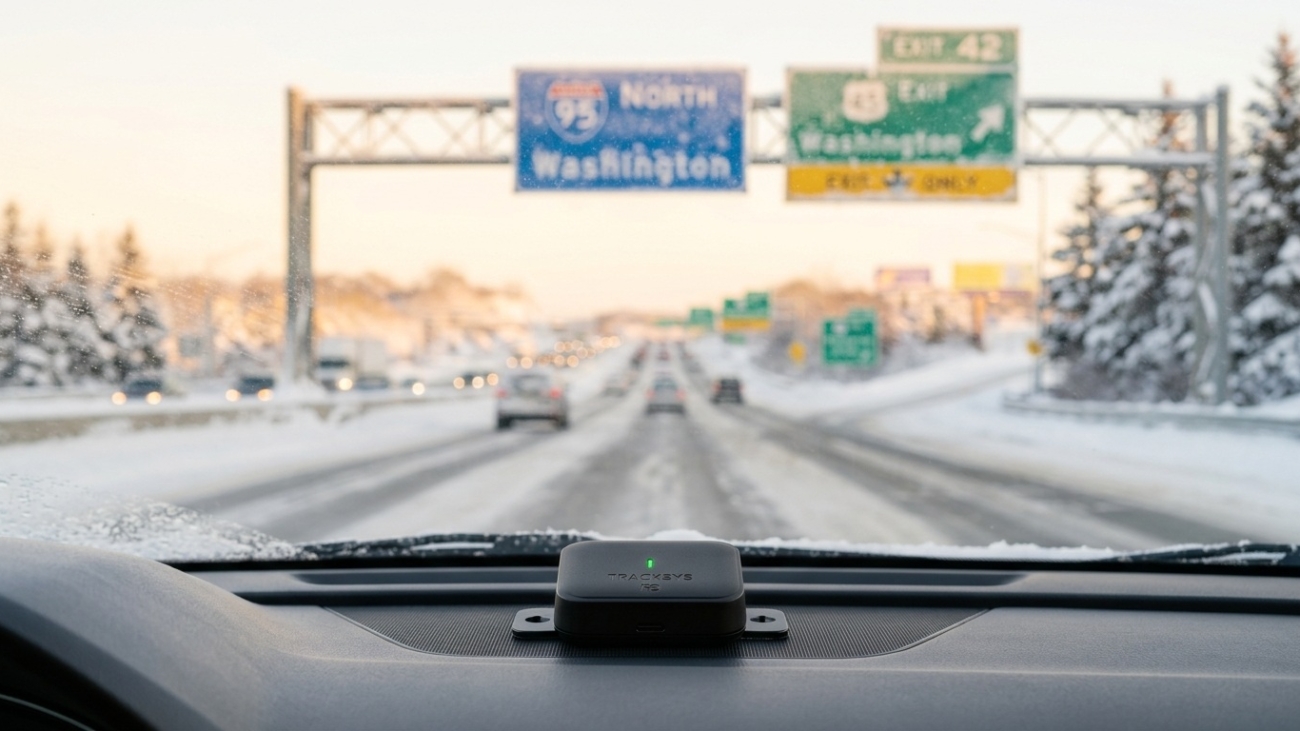
best GPS tracker for car Canada

Best GPS Tracker for Car in Canada: Complete Cold-Weather Buying Guide

BUYING GUIDE · CANADA

Best GPS Tracker for Car in Canada: Complete Cold-Weather Buying Guide

Canada presents a challenge most GPS tracker reviews never mention: cold weather kills battery performance. A tracker rated for 3 months of battery life in a mild climate can drop to half that once temperatures fall below freezing for months at a time. If you’re shopping for the best GPS tracker for a car in Canada, this guide covers what actually matters here — from winter battery drain to rural cellular coverage — so you don’t end up with a tracker that stops reporting the moment the snow starts.

💡 Quick Tip: Manufacturer battery ratings are measured at room temperature. If you live somewhere with a real winter, look specifically for an operating range that includes at least -20°C — many budget trackers are only rated to -10°C.

Why Canadian Drivers Need a Different Buying Checklist

Three factors make Canada different from most GPS tracker markets. First, extreme cold (common across the Prairies, Northern Ontario, and Quebec winters) significantly shortens battery life on magnetic, non-hardwired trackers — lithium batteries lose efficiency below -10°C. Second, large stretches of rural highway in provinces like Saskatchewan, Manitoba, and Northern BC have patchy cellular coverage, so a tracker’s network compatibility matters more than in dense urban markets. Third, cross-border driving and trucking between Canada and the U.S. is common, so many Canadian buyers specifically need a tracker that keeps working seamlessly once it crosses into American cell networks.

If you’re also managing more than one vehicle, our GPS tracker guide for company cars covers fleet-specific features worth comparing against the personal-use picks below.

Types of GPS Trackers Available to Canadian Buyers

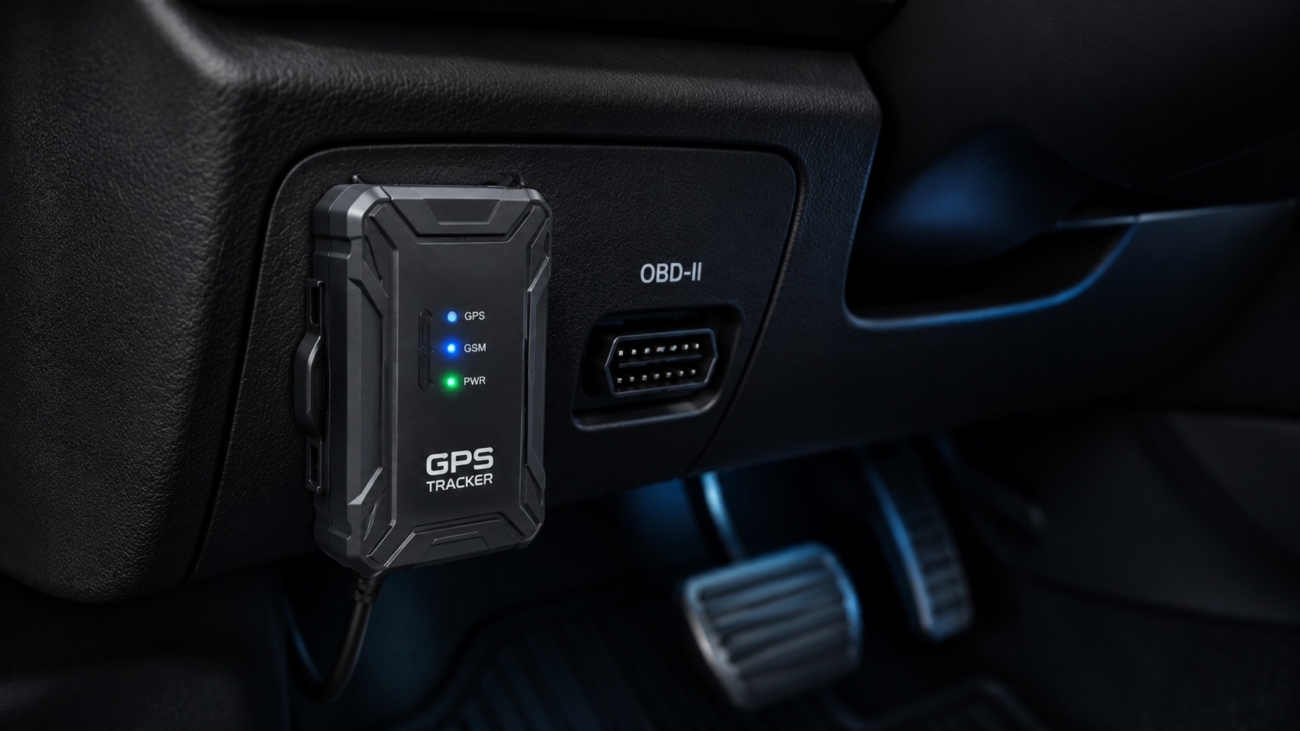
  • 🔌 OBD-II plug-in trackers — plug into the diagnostic port and draw power directly from the car, which sidesteps the cold-weather battery problem entirely. A strong choice for anyone driving through a Canadian winter.
  • 🔧 Hardwired trackers — wired into the vehicle’s electrical system and hidden out of sight. Like OBD trackers, they never rely on an internal battery, making them the most cold-weather-reliable option for theft recovery.
  • 🧲 Magnetic battery-powered trackers — stick to the undercarriage with no installation needed, but expect real-world battery life to run noticeably shorter than the manufacturer’s stated figure once temperatures drop.
  • 📦 Personal/asset trackers — smaller devices for trailers, snowmobiles, ATVs, and other seasonal equipment that sits outside for months at a time.
⚠️ Cold Weather Warning: In practice, Canadian winter conditions can cut a magnetic tracker’s advertised battery life by 30–50%, especially if the vehicle sits outside overnight. If you live somewhere with real winters — Alberta, Manitoba, Saskatchewan, interior BC, most of Quebec and Atlantic Canada — strongly consider a hardwired or OBD tracker instead of a magnetic battery unit.

Subscription vs. No-Monthly-Fee Trackers in Canada

Type Best For Typical Cost (CAD)
Subscription (4G) Rural routes, cross-border driving, winter reliability $15–$30/month
No-monthly-fee City driving, budget-conscious buyers $0 after purchase

Subscription (cellular) trackers run on 4G/LTE networks and typically cost $15–$30 CAD a month in Canada. In exchange, you get real-time location updates, geofencing, speed alerts, and full trip history — important if the vehicle regularly travels through rural or cross-border routes.

No-monthly-fee trackers rely on Bluetooth-based crowd networks or low-power one-time-activated connections. They’re cheaper long-term and fine for city driving, but in less densely populated Canadian regions, fewer nearby devices means location updates can be sparse or delayed.

Key Features to Check Before You Buy

  • Cold-weather battery rating — look specifically for an operating temperature range that includes at least -20°C.
  • Network coverage in your province — confirm the tracker’s carrier partner has strong coverage in the specific region you drive, not just major cities.
  • Update frequency — 3–10 second updates for theft recovery and teen-driver monitoring; longer intervals are fine for general location awareness.
  • Geofencing and speed alerts — useful for new drivers and for knowing when a vehicle leaves a job site or designated area.
  • Waterproof and weatherproof rating — road salt, slush, and freeze-thaw cycles are harsher on external hardware than rain alone, so look for at least IP65.
  • Cross-border functionality — if you drive into the U.S. regularly, confirm the tracker’s plan includes cross-border coverage without extra roaming charges.

Top GPS Tracker Types for Canadian Drivers Right Now

  • For winter reliability: an OBD or hardwired tracker that draws power from the vehicle avoids the cold-weather battery drop entirely.
  • For theft recovery: a hardwired 4G tracker with fast update speed and a hidden install location gives the best odds of recovery in an urban car theft situation.
  • For rural and cross-border driving: prioritize a subscription tracker with strong carrier coverage and confirmed U.S. roaming rather than a Bluetooth-dependent no-fee tracker.
  • For families and teen drivers: look for driving-behavior scoring, speed alerts, and geofencing around home, school, and work.
  • For seasonal equipment: a rugged battery-powered asset tracker rated for extreme cold works well for trailers, snowmobiles, and ATVs stored outdoors.

For plug-and-play options specifically, our Concox OB22 OBD tracker review is a useful comparison point, and the general GPS tracker buying guide covers the fundamentals if this is your first tracker purchase.

Is It Legal to Track a Vehicle in Canada?

Tracking a vehicle you own is legal across all Canadian provinces. As with most countries, it becomes more nuanced with financed vehicles, shared-custody situations, or vehicles primarily driven by another adult, where consent from the primary driver is generally expected. Employers tracking company-owned fleet vehicles are typically permitted provided employees are informed, in line with provincial privacy legislation (such as PIPEDA at the federal level).

How Much Should You Expect to Pay in Canada?

Budget no-subscription magnetic trackers typically start around $30–$50 CAD. Mid-range 4G trackers run $40–$80 CAD upfront plus $15–$30 CAD monthly. Hardwired professional units with strong cold-weather ratings and lifetime plans cost more upfront but remove the recurring bill and the winter battery concern altogether — often the better long-term value for anyone dealing with real Canadian winters.

Final Thoughts

The right GPS tracker for a car in Canada comes down to one question most other buying guides never ask: how does it perform once the temperature drops? If you live somewhere with a real winter, prioritize a hardwired or OBD tracker that draws vehicle power over a magnetic battery unit, confirm real cold-weather ratings rather than trusting the marketing copy, and double-check network coverage for the specific roads you actually drive — especially if that includes rural highways or the U.S. border.
best GPS tracker for car USA

Best GPS Tracker for Car in the USA: Complete Buying Guide

BUYING GUIDE · USA

Best GPS Tracker for Car in the USA: Complete Buying Guide

Vehicle theft in the United States has climbed sharply over the past few years, and insurance premiums have followed. At the same time, more parents, small fleet owners, and everyday drivers are realizing that a $30–$150 GPS tracker can save them thousands of dollars — not just in a worst-case theft scenario, but in everyday peace of mind. If you’re shopping for the best GPS tracker for a car in the USA, this guide breaks down exactly what to look for, which types of trackers make sense for which situation, and where to start if you’ve never bought one before.

💡 Quick Tip: Confirm any tracker you’re considering runs on an active U.S. LTE-M or 4G network before buying — older 3G-based trackers have been phased out across major U.S. carriers and will simply stop reporting location.

Why More U.S. Drivers Are Adding a GPS Tracker

Three trends are driving the surge in GPS tracker adoption across the USA this year. First, auto theft rates in several major metro areas remain well above pre-2020 levels, pushing insurers to offer discounts for vehicles with active tracking. Second, teen driver monitoring has become mainstream — parents want speed alerts and geofence notifications, not just a dot on a map. Third, small business owners running delivery vans, landscaping trucks, or rideshare fleets need a low-cost way to confirm routes and reduce fuel waste without paying for a full enterprise fleet system.

If you’re comparing devices for a personal vehicle versus a small business fleet, it’s worth reading our GPS tracker guide for company cars alongside this one, since fleet buyers usually weigh a slightly different set of features.

Types of GPS Trackers Available in the USA

  • 🔌 OBD-II plug-in trackers — plug directly into your car’s diagnostic port. No wiring, no battery to charge, and many pull extra data like engine fault codes and fuel usage. Best for daily drivers you already have easy access to.
  • 🔧 Hardwired trackers — wired straight into the vehicle’s power source, hidden behind a panel or under the dash. These never run out of battery and are much harder for a thief to find, making them the top choice for anti-theft use cases.
  • 🧲 Magnetic battery-powered trackers — stick to the undercarriage with a magnetic case. No installation needed, fully portable between vehicles, but battery life (anywhere from a few weeks to several months) becomes the main trade-off.
  • 📦 Personal/asset trackers — smaller devices meant for bags, trailers, equipment, or even pets, often reusing the same cellular network as car trackers.

Subscription vs. No-Monthly-Fee Trackers: Which Should You Choose?

Type Best For Typical Cost
Subscription (4G) Theft recovery, long-distance fleet monitoring, real-time alerts $10–$25/month
No-monthly-fee General location awareness, city driving, budget-conscious buyers $0 after purchase

Subscription (cellular) trackers use a built-in SIM card on a 4G/LTE network to send live location data anywhere there’s cell coverage — even across state lines or the whole country. You’ll get true real-time tracking, geofencing alerts, and history logs.

No-monthly-fee trackers typically rely on Bluetooth plus crowd-sourced networks (similar to how Apple’s Find My network works) or a one-time-activated low-power connection. They’re significantly cheaper to own long-term but usually update location less frequently.

Key Features to Check Before You Buy

  • Update frequency — some trackers report every 3–5 seconds, others only every few minutes. Faster updates matter more for theft recovery and teen driving alerts.
  • Battery life — ranges from a week on tiny personal trackers to 6+ months on dedicated magnetic car trackers. Hardwired and OBD trackers avoid this issue entirely.
  • Geofencing and speed alerts — essential if you’re monitoring a teen driver or an employee vehicle.
  • Waterproofing and build quality — magnetic under-car trackers are exposed to rain, road salt, and temperature swings, so an IP65+ rating matters.
  • App usability — a cluttered or unreliable app defeats the purpose of real-time tracking. Check recent App Store/Play Store reviews before buying, not just the product listing.
  • Network coverage — confirm the tracker uses an active LTE-M or 4G network in your state.

Top GPS Tracker Types for U.S. Drivers Right Now

  • For theft recovery: a hardwired or magnetic 4G tracker with sub-10-second update speed and a lifetime-warranty option gives law enforcement the fastest, most reliable location data.
  • For teen or new drivers: an OBD plug-in tracker with speed alerts and driving-behavior scoring is the easiest to install and monitor without touching the car’s wiring.
  • For budget-conscious owners: a no-monthly-fee magnetic tracker keeps ongoing costs at zero, especially useful for a second vehicle or a car that’s rarely driven long distances.
  • For small fleets: look for a device with a business dashboard, multi-vehicle view, and exportable trip/fuel reports rather than a consumer-focused single-car app.

For a closer look at OBD-style plug-in options specifically, our Concox OB22 OBD tracker review covers how plug-and-play voice-enabled tracking works in practice, and our full GPS tracker buying guide walks through general vehicle-tracking fundamentals if you’re brand new to this.

⚠️ Legal Note: Tracking a vehicle you own outright is legal in every U.S. state. It gets more nuanced with financed vehicles, company cars, and vehicles used by another adult driver — most states require ownership or consent of the primary driver before installing a tracker. Check your state’s specific rules before tracking a vehicle you don’t exclusively drive.

How Much Should You Expect to Pay?

Budget no-subscription magnetic trackers typically start around $20–$40. Mid-range 4G trackers with a monthly plan run $25–$60 upfront plus a $10–$25 monthly fee. Hardwired professional-grade units with lifetime warranties and no-fee lifetime plans can run higher upfront but eliminate recurring costs entirely. For most personal-vehicle buyers, a $30–$50 device with a $15/month plan hits the sweet spot between real-time accuracy and long-term cost.

Final Thoughts

The right GPS tracker for your car in the USA depends far more on your use case than on any single “best” product. Theft-prevention buyers should prioritize update speed and discreet hardwired installation. Parents should prioritize driving-behavior alerts. Budget-focused owners should lean toward no-monthly-fee magnetic trackers. Whichever direction you go, confirm the device runs on an active U.S. LTE network before buying, and check real app reviews — the hardware rarely fails first; the software experience usually does.

best gps tracker

Best GPS Tracker for Vehicles : Complete Buying Guide

Best GPS Tracker for Vehicles in 2026: Complete Buying Guide

Bbest gps tracker for vehicles: Complete Buying Guide

Everything you need to know before you buy — updated for 2026

Finding the best GPS tracker in 2026 shouldn't feel like guesswork. Walk into any electronics store or scroll through an online marketplace and you'll see dozens of devices claiming to be the top pick — hardwired trackers, plug-in OBD trackers, portable battery units, and tiny magnetic trackers the size of a matchbox. Each type solves a different problem, so picking the wrong one usually means wasted money and a frustrating first week.

In this guide, you'll learn exactly how to choose the right tracker for your situation, whether that's protecting a personal car, watching over a teen driver, running a small delivery fleet, or securing valuable equipment. If you're shopping specifically for the Gulf region, our dedicated guides on the best GPS tracker in UAE and best GPS tracker for cars in Qatar, UAE & Saudi Arabia go even deeper on local network compatibility .

Why GPS Trackers Are More Popular Than Ever

Vehicle theft, cargo diversion, and unauthorized vehicle use have pushed more drivers and businesses toward real-time tracking. At the same time, GPS hardware has become cheaper and more compact, while the mobile data plans that power these devices have dropped in price across most regions — from North America to the Gulf states to South Asia. A tracker that once cost hundreds of dollars and needed professional installation can now be self-installed in minutes for a fraction of the price.

Beyond simple theft recovery, trackers are now widely used for:

  • Fleet management and fuel-cost reduction for small businesses
  • Monitoring teen or elderly drivers for peace of mind
  • Tracking rental vehicles, trailers, and construction equipment
  • Qualifying for insurance discounts, since many insurers reward tracked vehicles
  • Recovering stolen motorcycles, cars, and boats
Good to know: if you only need the basics for a personal car, our complete buying guide for the best gps tracker for vehicles is a great starting point before you dive into the details below.

Types of GPS Trackers You Can Buy in 2026

1. Hardwired GPS Trackers

These connect directly to a vehicle's battery or wiring harness and are hidden inside the dashboard. Because they draw power continuously, they never need charging and are the most reliable option for long-term, covert tracking — the top choice for fleet operators and anyone worried about a thief unplugging the device.

2. OBD Plug-In Trackers

These plug straight into the OBD-II port found in almost every car made after 1996. Installation takes seconds, no tools required. The trade-off is visibility, since the port sits under the dashboard. Still, for everyday drivers who want a fast setup plus diagnostic data like engine codes and fuel efficiency, OBD trackers are excellent value. Our review of the OBD with Voice (OB22) from Concox is a good example of what modern OBD trackers can do.

3. Portable Battery-Powered Trackers

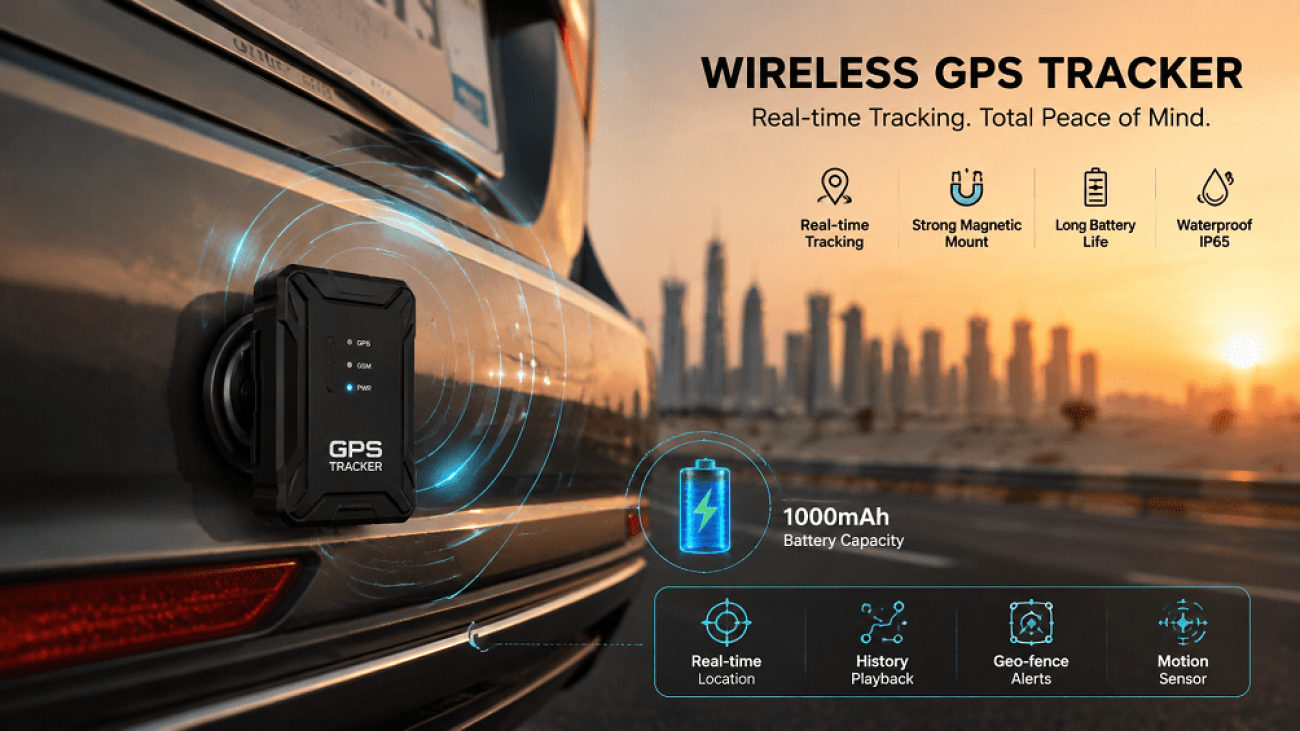
Fully wireless units that rely on an internal rechargeable battery, often lasting from a few days to several months depending on reporting frequency. They're ideal for trailers, shipping containers, boats, or personal bags. If long battery life matters to you, see how the wireless best gps tracker for vehicles with 1000mAh battery handles real-time tracking without a wired power source.

4. Dash Cam + GPS Combo Trackers

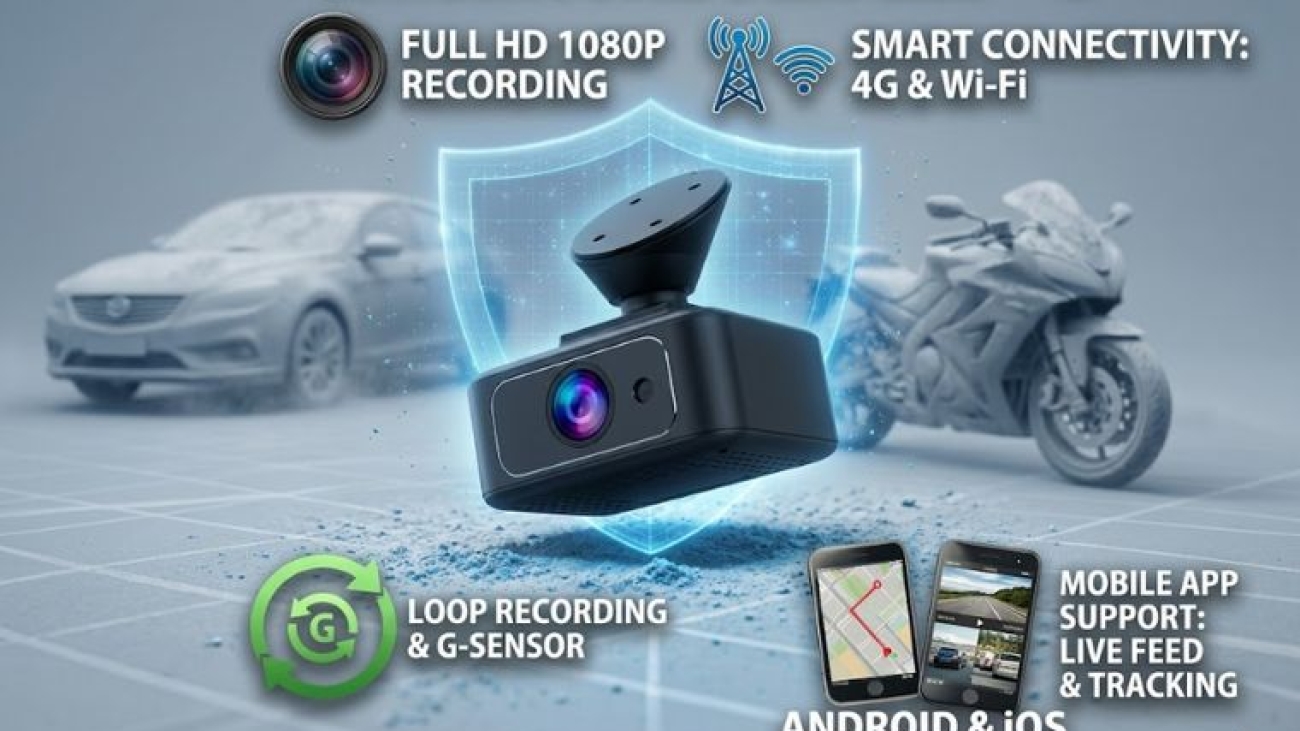
A growing category for 2026 combines video recording with live location tracking in a single unit, which is especially useful for accident evidence and fleet accountability. The Concox JC182 Dash Cam review breaks down how this hybrid approach performs in daily use.

Key Features to Compare Before You Buy

FeatureWhy It Matters
Real-time vs. passive trackingReal-time sends live location over cellular data; passive only stores data for later — not useful for theft recovery.
Subscription costMost trackers need a $10–$30/month data plan; a few "no monthly fee" models use Bluetooth instead of cellular.
Geofencing & alertsGet notified instantly if a vehicle leaves or enters a set zone.
Battery lifeRanges from days to 6+ months depending on how often it reports.
WeatherproofingLook for IP65+ rating if the tracker will be mounted outside the cabin.
App qualityA clean map, trip history, and mileage export matter as much as the hardware.

How Much Should You Expect to Pay?

Entry-level OBD and portable trackers typically start around $20–$40 for the hardware, plus a monthly data plan. Professional-grade hardwired trackers with advanced fleet features can run $50–$150 upfront, with business-tier subscriptions costing more per vehicle. For a single personal car, an OBD tracker is usually the most cost-effective starting point. Fleet owners managing five or more vehicles should ask about bulk subscription pricing, which most providers offer. For a deeper cost breakdown aimed at businesses, check our guide to the best GPS tracker for company cars.

Regional Buying Considerations

Availability and network compatibility vary by country. Buyers in the United States and Canada generally have the widest selection of LTE-compatible trackers with nationwide coverage. In the Gulf region — including Dubai and the wider UAE, Saudi Arabia, and Qatar — look specifically for trackers that support local SIM/eSIM networks or come with a pre-installed regional data plan, since not every device sold internationally works out of the box. Buyers in Malaysia should confirm 4G band compatibility with local carriers before purchasing. If you're in Bangladesh or elsewhere in South Asia, portable and OBD trackers with local SIM support tend to be the easiest to set up without importing hardware. For a general technical overview of how these devices work, Wikipedia's GPS tracking unit entry is a solid neutral reference.

Common Mistakes to Avoid select best gps tracker for vehicles

  • Buying on price alone — the cheapest tracker often has the weakest app and support.
  • Ignoring the subscription cost — a $20 tracker with a $25/month plan costs more over a year than a $60 tracker with a $10/month plan.
  • Skipping network compatibility checks — a tracker built for one region's cellular bands may not work reliably in another.
  • Underestimating installation difficulty — hardwired units offer the best security but may need professional installation.
  • Not reading app reviews — hardware is only half the experience.

Final Verdict: Which GPS Tracker Should You Choose?

For most personal vehicle owners, an OBD plug-in tracker offers the best balance of easy installation, price, and features. If theft prevention is your top priority, a hardwired tracker is worth the extra installation effort. For trailers or equipment without their own power source, a portable battery-powered tracker wins. Whatever you choose, prioritize real-time tracking, a reliable app, and transparent subscription pricing over flashy marketing claims.

Want a model-by-model comparison for your exact region?

Browse all GPS tracker reviews on ProGPSTracker →

Tags: GPS Tracker, Vehicle Tracking, Car Security, Fleet Management, OBD Tracker, Portable GPS, Anti-Theft Device

Concox JC182 Dash Cam

Concox JC182 Dash Cam — GPS DashCam Full Review

Concox JC182 Dash Cam – GPS DashCam Full Review, Features & Price in Bangladesh

Looking for a smart dash camera with built-in GPS tracking, 4G connectivity, and real-time vehicle monitoring? The Concox JC182 Dash Cam is one of the most advanced GPS dash cameras available today. Designed for fleet operators, ride-sharing drivers, logistics companies, and private vehicle owners, this intelligent dash cam combines high-definition video recording with powerful GPS tracking technology.

In this comprehensive review, we'll explore the key features, specifications, benefits, and real-world applications of the Concox JC182 to help you decide whether it's the right solution for your vehicle security and fleet management needs.


What is the Concox JC182 Dash Cam?

The Concox JC182 is a 4G-enabled GPS DashCam that combines video surveillance, GPS vehicle tracking, driver monitoring, and cloud-based fleet management into a single compact device. Unlike traditional dash cameras, the JC182 allows users to remotely monitor vehicles in real time through a web platform or mobile application.

Whether you're managing a commercial fleet or protecting your personal vehicle, the JC182 offers enhanced visibility, security, and operational control.


Key Features of Concox JC182 Dash Cam

📹 Crystal Clear 2K Video Recording

The JC182 records in high-resolution 2K Quad HD, capturing sharp details such as license plates, road signs, and surrounding traffic. This level of clarity can be invaluable when investigating accidents or insurance claims.

📍 Real-Time GPS Tracking

Built-in GPS technology provides accurate location tracking and route history. Vehicle owners and fleet managers can monitor live vehicle positions, playback travel history, and analyze route efficiency from anywhere.

📶 4G LTE Connectivity

With integrated 4G LTE support, the device uploads location data and video information instantly. Users can access vehicle status and tracking information remotely through cloud-based management platforms.

📱 WiFi Configuration & Mobile Access

The built-in WiFi module allows easy setup and device configuration. Drivers and administrators can access recordings, adjust settings, and manage devices directly through supported applications.

🚨 Intelligent Driver Monitoring

The JC182 helps improve driver behavior by providing real-time monitoring and event recording. Fleet operators can identify risky driving habits and enhance overall road safety.

🛡 24-Hour Parking Surveillance

Even when the vehicle is parked, the dash cam remains vigilant. Motion detection and event-triggered recording help protect against theft, vandalism, and hit-and-run incidents.

📌 Geofence Alerts

Create virtual geographic boundaries and receive instant notifications whenever a vehicle enters or exits designated zones. Ideal for fleet security and route compliance.


Concox JC182 Technical Specifications

Specification Details
Model Concox JC182
Network 4G LTE
Video Resolution 2K Quad HD
GPS Tracking Yes
WiFi Supported
Storage Micro SD Card
Live Tracking Supported
Parking Monitoring Supported
Cloud Platform Tracksolid Pro

Benefits of Using Concox JC182

  • Improve vehicle security and theft prevention.
  • Monitor drivers and reduce risky behavior.
  • Access real-time vehicle location from anywhere.
  • Capture accident evidence with high-definition video.
  • Reduce fleet operating costs through route optimization.
  • Enhance customer service with accurate delivery tracking.
  • Monitor parked vehicles 24/7.

Who Should Use Concox JC182?

  • Fleet Management Companies
  • Logistics & Transportation Businesses
  • Ride-Sharing Drivers (Uber, Pathao, Indrive)
  • Corporate Vehicle Owners
  • School Bus Operators
  • Car Rental Companies
  • Private Vehicle Owners

Concox JC182 vs Traditional Dash Cameras

Feature Traditional Dash Cam Concox JC182
Video Recording Yes Yes
GPS Tracking No Yes
Live Monitoring No Yes
4G Connectivity No Yes
Geofence Alerts No Yes
Cloud Platform No Yes
Fleet Management No Yes

Concox JC182 Price in Bangladesh

The price of the Concox JC182 Dash Cam in Bangladesh varies depending on installation requirements, storage options, and platform subscriptions. For the latest pricing and promotional offers, contact an authorized GPS tracking solutions provider.


Frequently Asked Questions (FAQ)

Does the Concox JC182 support real-time GPS tracking?

Yes, it provides live GPS tracking and route history through supported cloud platforms.

Can I monitor the vehicle remotely?

Yes, remote monitoring is possible through mobile apps and web-based management systems.

Does the JC182 work while the vehicle is parked?

Yes, it supports parking surveillance and motion-triggered recording.

Is the Concox JC182 suitable for fleet management?

Absolutely. The device is specifically designed for fleet operators and commercial vehicle management.

Which platform does the JC182 use?

It supports Tracksolid Pro and other compatible fleet management platforms.


Final Verdict

The Concox JC182 Dash Cam is an excellent choice for businesses and vehicle owners seeking more than just a traditional dashboard camera. By combining high-quality video recording, GPS tracking, 4G connectivity, cloud management, and advanced fleet monitoring capabilities, the JC182 delivers a complete vehicle security and management solution.

If you want to improve driver accountability, enhance vehicle security, and gain full visibility over your fleet operations, the Concox JC182 is a smart investment that offers long-term value and peace of mind.

```
Wireless GPS Tracker 1000mAh Battery

Wireless GPS Tracker with 1000mAh Battery | Real-Time GPS Tracking

Best Wireless GPS Tracker with 1000mAh Battery (2025 Guide)
2025 Product Guide

Best Wireless GPS Tracker with 1000mAh Battery

What a 1000mAh battery actually means for tracking time, which use cases it fits best, and what to check before you buy.

[Featured Image Placeholder]

A wireless GPS tracker is only as useful as its battery life — and 1000mAh has become one of the most common capacities in this category for a reason: it's the sweet spot between a compact size and tracking time that actually lasts.

If you've been comparing portable trackers for a car, motorcycle, shipment, or personal bag, you've probably noticed battery capacity listed everywhere but explained nowhere. This guide breaks down what a 1000mAh battery really delivers in day-to-day use, where this type of tracker fits best, and the features worth checking before you buy one.

What Does a 1000mAh Battery Actually Get You?

Battery life for a GPS tracker depends heavily on how often it reports location, not just battery size. A 1000mAh cell is large enough to power a compact tracker for days to weeks, but the real number swings a lot based on settings:

2–4 days
Real-time mode (10–30 sec updates)
1–2 weeks
Standard mode (5–15 min updates)
3–6 weeks
Power-saving / motion-triggered mode

These are general industry ranges for 1000mAh trackers, not a specific product's spec sheet — always confirm actual battery performance on the product listing before buying.

Quick tip: If you mainly need to know where a vehicle or asset is during work hours, motion-triggered tracking (the device only reports when it moves) stretches battery life the most without losing the alerts that matter.

Best Use Cases for a 1000mAh Wireless Tracker

Vehicle Backup Tracking

  • Magnetic mount under a car or on a motorcycle
  • No wiring, easy to relocate or hide

Shipment & Cargo Tracking

  • Placed inside pallets, containers, or delivery boxes
  • Power-saving mode suits multi-day transit

Rental & Fleet Assets

  • Track equipment or rental vehicles without hardwiring each unit
  • Easy to swap between vehicles as needed

Personal Bag or Luggage

  • Compact size fits in a backpack or suitcase pocket
  • Useful for travel and commuting

Features to Check Beyond Battery Size

  • Charging method: USB-C charges faster and is easier to find a cable for than older micro-USB models.
  • Water & dust resistance: An IP65+ rating matters if the tracker will sit outside a vehicle or in cargo exposed to weather.
  • Magnetic mount strength: Especially important for vehicle use on highways — a weak magnet risks the device falling off at speed.
  • Update frequency control: Look for an app that lets you switch between real-time and power-saving modes rather than a fixed interval.
  • SIM and network compatibility: Confirm the tracker's SIM works with local carriers if you're in Qatar, UAE, or Saudi Arabia, especially for cross-border use.

1000mAh vs Other Common Battery Sizes

Battery Size Typical Device Size Best For Approx. Real-Time Battery Life
500mAh Very compact Short-term or discreet tracking 1–2 days
1000mAh Compact, pocket-sized General vehicle & asset tracking 2–4 days
2000mAh+ Larger, more visible Fleet vehicles, long-haul cargo 5–8 days

Advantages and Trade-Offs

✔ Advantages

  • Compact enough to hide easily on a vehicle
  • No wiring or professional installation needed
  • Good balance of size and battery life
  • Easy to move between vehicles or assets

✘ Considerations

  • Real-time tracking drains the battery fastest
  • Needs periodic recharging — not a "set and forget" solution
  • Magnetic mounts can be dislodged in rough conditions
  • Requires an active SIM/data plan to function

Tips to Maximize Battery Life

Switch to motion-triggered or scheduled reporting whenever real-time updates aren't necessary — this alone can stretch a 1000mAh battery from a few days to several weeks. Keeping the tracker's firmware updated and avoiding extreme heat exposure (leaving it on a dashboard in direct summer sun, for example) also helps preserve battery health over time.

Not sure which battery size fits your use case?

Tell us whether you need real-time tracking or occasional check-ins, and where the tracker will be placed — we'll help you pick the right capacity.

Get a Recommendation

Frequently Asked Questions

How long does a 1000mAh GPS tracker actually last on a full charge?

It depends on the update frequency — typically 2–4 days in real-time mode, up to several weeks in power-saving or motion-triggered mode.

Can I leave a wireless GPS tracker on a vehicle permanently?

Yes, as long as you have a routine for recharging or swapping it, since these trackers rely on an internal battery rather than the vehicle's power system.

Does extreme heat affect a 1000mAh tracker's battery life?

Yes — prolonged exposure to high heat, common in Gulf summers, can reduce battery efficiency and lifespan over time, so shaded placement helps.

Is a 1000mAh tracker good enough for fleet vehicles?

It works for light or backup use, but fleets typically get more consistent results from hardwired trackers or larger-battery units that don't need frequent recharging.

Final Thoughts

A 1000mAh wireless GPS tracker hits a practical middle ground — small enough to hide or carry, with enough battery capacity for real day-to-day use. The right choice comes down to how often you actually need updates: dial in the reporting frequency to your situation, and this battery size will comfortably cover most personal, vehicle, and light asset-tracking needs without constant recharging.

Wireless GPS Tracker 1000mAh GPS Tracker Portable GPS Tracker Long Battery GPS Tracker GPS Tracker Qatar GPS Tracker UAE Magnetic GPS Tracker
best GPS tracker for car

Best GPS Tracker for Cars in Qatar, UAE & Saudi Arabia

Best GPS Tracker for Cars in Qatar, UAE & Saudi Arabia (2025 Buying Guide)
2025 Buying Guide

Best GPS Tracker for Cars in Qatar, UAE & Saudi Arabia

Everything you need to know before you buy — types, must-have features, price ranges, and how to pick the right one for Gulf roads and weather.

[Featured Image Placeholder]

If you drive in Doha, Dubai, Abu Dhabi, or Riyadh, a GPS tracker isn't a luxury gadget anymore — it's becoming one of the most practical devices you can add to your car.

Vehicle theft recovery, real-time location sharing with family, fleet monitoring for business vehicles, and even insurance discounts are now common reasons drivers across the GCC are installing GPS trackers. But with dozens of models on Amazon.ae, Noon, and local electronics stores, picking the right one can be confusing. This guide breaks down exactly what to look for, the main types available, and how to choose one that will actually hold up to Gulf heat, long highway drives, and daily city traffic.

Why a GPS Tracker Makes Sense in the Gulf

The Gulf region has a few conditions that make car GPS trackers especially useful compared to many other markets:

  • Long-distance driving: Frequent cross-border trips between Qatar, UAE, and Saudi Arabia mean families and fleet owners want visibility into where a vehicle is at all times.
  • Extreme heat: Summer temperatures regularly exceed 45°C, so battery performance and heat resistance matter more here than in most other regions.
  • High-value vehicles: With a large share of premium and luxury cars on the road, theft recovery and anti-theft tracking carry real financial weight.
  • Growing fleet and logistics sector: Delivery, ride-hailing, and construction fleets across the region increasingly rely on tracking for route efficiency and driver accountability.
  • Family safety: Parents tracking teen drivers, or families monitoring domestic drivers and household vehicles, is a common and growing use case.
Quick tip: Some insurance providers in the UAE and Qatar offer reduced premiums or faster claims processing for vehicles fitted with an approved tracking device — it's worth checking with your insurer before you buy.

Types of GPS Trackers for Cars

Not all trackers work the same way, and the right type depends on how hands-on you want the installation to be.

1. OBD Plug-In Trackers

These plug directly into your car's OBD-II port (usually under the dashboard) with no wiring or tools required. They're the easiest option for most drivers and are popular for personal vehicles because they can be moved between cars in seconds.

2. Hardwired Trackers

Installed directly into the vehicle's electrical system, hardwired trackers are harder to detect and remove, making them the preferred choice for theft recovery and fleet vehicles. Installation typically needs a professional, especially for warranty-sensitive vehicles.

3. Portable Battery-Powered Trackers

These run on an internal battery and can be hidden anywhere in the vehicle. They're a good fit if you want a device that isn't tied to the car's power system, though battery life (often 1–4 weeks depending on usage) needs regular attention.

4. Motorcycle & Asset Trackers

Smaller, ruggedized versions built for motorcycles, trailers, or equipment. Waterproofing and shock resistance matter more here than for standard car units.

Key Features to Look For

Real-Time Tracking

  • Update intervals of 10–30 seconds for accurate live location
  • Historical trip playback

Geofencing

  • Alerts when the car leaves a set zone (home, office, or country border)
  • Useful for cross-border trips between GCC countries

Heat & Water Resistance

  • Look for an IP65+ rating for Gulf summer conditions
  • Operating range that comfortably covers 50°C+

App & SIM Support

  • Compatible with local carriers (Ooredoo, Vodafone Qatar, du, Etisalat, STC)
  • Clear monthly data/subscription cost, not hidden in fine print

Comparing the Main Options

Type Best For Installation Typical Price Range
OBD Plug-In Personal cars, easy setup DIY, 2 minutes QAR 150–350 / AED 150–400
Hardwired Theft recovery, fleets Professional install QAR 300–700 / AED 350–800
Portable Battery Flexible/hidden placement DIY, no wiring QAR 200–500 / AED 220–550
Motorcycle/Asset Bikes, trailers, equipment Varies QAR 180–450 / AED 200–500

Prices are approximate market ranges as of 2025 and exclude monthly data/subscription fees, which typically run QAR/AED 20–60 per month depending on the plan.

Pros and Cons of Adding a GPS Tracker

✔ Advantages

  • Faster vehicle recovery if stolen
  • Peace of mind for family safety
  • Potential insurance discounts
  • Better fleet/driver accountability

✘ Considerations

  • Ongoing SIM/data subscription costs
  • Battery-powered units need regular charging
  • Some models have limited local customer support
  • Installation quality affects reliability for hardwired units

Where to Buy in Qatar, UAE & Saudi Arabia

Most drivers in the region source GPS trackers through Amazon.ae, Noon, or local electronics and car accessory retailers in malls and souks. Buying locally can make warranty claims and SIM activation easier, while online marketplaces often offer a wider selection and customer reviews from regional buyers — worth checking before you decide.

Not sure which tracker fits your situation?

Tell us your vehicle type, budget, and whether you need personal, family, or fleet tracking — we'll help you narrow it down.

Get a Personalized Recommendation

Frequently Asked Questions

Is it legal to install a GPS tracker on my own car in Qatar or the UAE?

Tracking a vehicle you own is generally permitted. Tracking someone else's vehicle without consent can raise legal and privacy concerns, so it's best to check current local regulations or consult a legal advisor if you're tracking a vehicle used by others.

Do GPS trackers work well in extreme summer heat?

Quality trackers rated IP65 or higher and designed for a wide operating temperature range generally perform reliably through Gulf summers. Cheaper, unrated devices are more likely to overheat or fail.

How much does a GPS tracker subscription cost monthly?

Most SIM-based trackers require a data plan, typically ranging from QAR/AED 20–60 per month depending on the provider and how frequently the device updates location.

Can I track a vehicle across GCC borders?

Yes, as long as the tracker's SIM has regional roaming or the device switches networks automatically — this is worth confirming with the seller before cross-border trips.

Final Thoughts

Choosing the best GPS tracker for your car comes down to matching the device type to your actual need — easy DIY tracking for personal peace of mind, a hardwired unit for serious theft protection, or a fleet-ready system for business vehicles. Factor in heat resistance and local SIM compatibility, and you'll have a tracker that holds up to daily life on Gulf roads for years, not just months.

GPS Tracker Car GPS Tracker GPS Tracker Qatar GPS Tracker Dubai GPS Tracker Saudi Arabia Vehicle Tracking Fleet Tracking
best GPS tracker for company cars

Best GPS Tracker for Company Cars — Top 8 Picks & Buyer’s Guide

Best GPS Tracker for Company Cars (2025) — Top 8 Picks & Buyer's Guide
2025 Buyer's Guide

Best GPS Tracker for Company Cars — Top 8 Picks & Buyer's Guide

Eight tracker categories worth considering for company vehicles, plus what actually matters when you're buying for a business fleet.

Choosing a GPS tracker for company cars is a different decision than picking one for a personal vehicle — you're weighing installation time across multiple cars, driver accountability, ongoing subscription costs, and how the data actually gets used day to day.

This guide breaks down eight tracker categories that consistently work well for company vehicles in the UAE, Qatar, and Saudi Arabia, followed by a buyer's guide covering the features and contract details that matter most before you commit to outfitting an entire fleet.

A note on this list: Rather than naming specific models that change frequently in price and availability, each pick below represents a proven tracker category for company car use. Use these as a shopping checklist when comparing actual listings on Amazon.ae, Noon, or local suppliers, and confirm current specs and pricing directly with the seller.

Top 8 GPS Tracker Picks for Company Cars

1Best Overall Editor's Pick

A hardwired OBD or wired telematics unit with driver behavior scoring (harsh braking, speeding, idling). This is the standard starting point for most company car fleets because it balances reliability with useful driver accountability data.

  • Best for: Fleets of 5–50 company cars
  • Look for: Live dashboard + monthly driver reports
2Best Budget Pick

A basic OBD plug-in tracker with location and trip history only, no driver scoring. Ideal if you just need to confirm vehicles are where they should be without a full telematics package.

  • Best for: Small businesses with 1–5 vehicles
  • Look for: No long-term contract required
3Best for Easy Installation

Plug-and-play OBD trackers that any employee can install in under two minutes, no technician needed — useful when rolling out tracking across many vehicles quickly.

  • Best for: Fast fleet-wide rollouts
  • Look for: Tool-free installation, self-install guide
4Best for Theft Deterrence

A hidden, hardwired tracker that's difficult to locate or remove without professional tools — the right choice for higher-value company vehicles or executive cars.

  • Best for: Premium or executive fleet vehicles
  • Look for: Tamper alerts, professional installation
5Best No-Monthly-Fee Option

Some trackers use a prepaid or one-time data plan model instead of a recurring SaaS subscription, which can be more predictable for a fixed number of company vehicles.

  • Best for: Businesses avoiding recurring software contracts
  • Look for: Prepaid SIM data bundles, clear renewal terms
6Best for Cross-Border Fleets

Trackers with regional roaming SIMs that keep reporting reliably when company cars travel between UAE, Qatar, and Saudi Arabia for business.

  • Best for: Logistics, sales, or field teams crossing borders
  • Look for: Confirmed multi-country SIM coverage
7Best for Maintenance Alerts

A telematics unit that reads engine diagnostics alongside location, flagging fault codes and scheduled maintenance before they turn into breakdowns.

  • Best for: Fleets wanting to reduce unplanned downtime
  • Look for: OBD-II diagnostic data, maintenance scheduling in-app
8Best for Scaling Fleets

A full SaaS dashboard platform designed to onboard new vehicles easily as a company fleet grows, with bulk reporting across all cars in one view.

  • Best for: Businesses planning to expand fleet size
  • Look for: Bulk vehicle management, exportable reporting
Quick tip: Most businesses don't need every feature above on day one. Start with Pick #1 or #2, and add driver scoring or maintenance alerts once you know how the data will actually be used internally.

Buyer's Guide: What Actually Matters

Installation Effort

  • OBD plug-in: fastest, no technician
  • Hardwired: more secure, needs installer

Contract Terms

  • Check lock-in period and hardware ownership
  • Ask what happens to data if you cancel

Local Support

  • Prefer a provider with support in your country
  • Confirm SIM works with local carriers

Driver Communication

  • Inform employees about tracking policy upfront
  • Clarify what data is monitored and why

Price Ranges by Category

Category Setup Cost (per vehicle) Monthly Cost (per vehicle)
Basic OBD Plug-In QAR/AED 150–300 QAR/AED 20–35
Hardwired + Driver Scoring QAR/AED 300–600 QAR/AED 40–70
Full Telematics + Maintenance QAR/AED 400–800 QAR/AED 60–100

Ranges are approximate 2025 regional market estimates and vary by provider, contract length, and whether hardware is purchased outright or leased.

Advantages and Trade-Offs of Tracking Company Cars

✔ Advantages

  • Lower fuel and maintenance costs
  • Reduced unauthorized personal use
  • Faster response if a vehicle is stolen
  • Data to support insurance discussions

✘ Considerations

  • Employees should be informed, not surprised
  • Recurring subscription costs add up across a fleet
  • Installation quality affects long-term reliability
  • Support quality varies significantly by provider

Outfitting a fleet of company cars?

Tell us your fleet size and whether you need driver scoring or just basic location tracking — we'll point you to the right pick.

Get a Fleet Recommendation

Frequently Asked Questions

Do I need to tell employees their company car is being tracked?

Yes — clearly communicating the tracking policy is standard practice and helps avoid disputes, and may be required under local labor regulations.

Is a plug-in tracker secure enough for company cars, or do I need hardwired?

Plug-in trackers work well for basic location tracking and accountability. Hardwired units are better if theft deterrence for higher-value vehicles is a priority, since they're harder to remove.

Can I mix tracker types across my fleet?

Yes, many businesses use hardwired units for higher-value vehicles and simpler OBD trackers for the rest — just confirm they can report into the same dashboard if unified reporting matters to you.

What happens to tracking data if I switch providers later?

This varies by vendor — ask specifically whether historical trip data and driver reports are exportable before signing a contract.

Final Thoughts

The right GPS tracker for your company cars depends less on finding a single "best" product and more on matching the category to how your fleet actually operates — installation speed, contract flexibility, and local support usually matter more day to day than any one extra feature. Start with the basics, confirm pricing and coverage directly with sellers in your market, and add driver scoring or maintenance alerts once you know your team will actually use the data.

GPS Tracker for Company Cars Fleet Vehicle Tracker Business Car Tracker GPS Tracker UAE GPS Tracker Qatar GPS Tracker Saudi Arabia Company Car Tracking
best GPS tracker in UAE

Best GPS Tracker in UAE : Complete Guide for Every Emirate

BUYING GUIDE · UAE

Best GPS Tracker in UAE: Complete Guide for Every Emirate

Finding the best GPS tracker in UAE means something different depending on where you are and what you're tracking. A personal car owner in Sharjah, a fleet manager in Abu Dhabi, and a small delivery business in Dubai all have different priorities — coverage, certification, battery life, and cost all matter in different amounts. This guide walks through everything you need to compare before buying, no matter which emirate you're in.

💡 Quick Tip: If you're buying for a commercial fleet vehicle, confirm your supplier can issue a certified installation certificate before purchase — uncertified installs can result in fines during vehicle inspections.

Why UAE Drivers Use GPS Trackers

Vehicle theft and unauthorized use are the top reasons individual drivers install a GPS tracker, but in the UAE there's a second major driver: businesses running delivery, logistics, taxi, or limousine fleets face regulatory expectations around vehicle monitoring. Beyond security, trackers are used daily for route optimization, driver behavior monitoring, fuel-usage tracking, and simply knowing a vehicle's location in real time from a phone app. Whether you're protecting a single family car or overseeing dozens of delivery vans, the underlying technology is the same — what changes is the installation type, certification needs, and reporting features you should prioritize.

Types of GPS Trackers

  • 🔌 OBD-II plug-in trackers — plug straight into the car's diagnostic port, no wiring or technician required. Installation takes under two minutes, making this the easiest entry point for personal vehicle owners.
  • 🔧 Hardwired trackers — wired directly into the vehicle's power supply for a permanent, harder-to-remove installation. The standard for commercial fleets and any vehicle requiring certified compliance tracking.
  • 🧲 Magnetic / battery-powered trackers — no wiring at all, attaches magnetically anywhere on the vehicle and runs on internal battery for weeks or months. Useful for discreet tracking or monitoring trailers and equipment without their own power source.
  • 📶 Bluetooth / short-range trackers — budget-friendly trackers that connect to your phone over Bluetooth within a limited range. No SIM or subscription needed, but won't give true real-time location beyond a certain distance — best for parking lots and short-range use, not full vehicle security.

Top Picks by Use Case

Use Case Best Pick Why
Best Overall Hardwired real-time tracker Continuous power, real-time updates, geofencing without fleet-grade bulk
Best for Fleets Certified fleet-grade tracker Driver behavior reports, fuel monitoring, installation certification
Best Budget OBD-II plug-in tracker Lowest-cost entry into real-time tracking, no install cost
Best Discreet Magnetic battery tracker Not visible from inside the vehicle, good for trailers/assets

Pricing Across the UAE

Tracker Type Typical Price (AED)
Bluetooth short-range tracker AED 60 – 150
OBD-II plug-in tracker AED 100 – 250
Hardwired real-time tracker AED 200 – 450
Magnetic/portable battery tracker AED 150 – 350
Certified fleet-grade tracker AED 300 – 700+
Monthly SIM/subscription plan AED 20 – 60 / month

Treat these as planning ranges — actual pricing depends on brand, features, and installer, and can vary between suppliers in the same city.

Comparing by Emirate

Dubai has the widest selection of suppliers and the most competitive pricing due to high demand, plus the fastest access to certified fleet installers for logistics and delivery businesses. Abu Dhabi sees strong demand from government and corporate fleet contracts, so certified, enterprise-grade trackers with detailed reporting tend to be more common here than budget consumer devices. Sharjah and the Northern Emirates (Ajman, Ras Al Khaimah, Fujairah, Umm Al Quwain) generally have fewer local suppliers, so confirm delivery/installation coverage before ordering — many UAE-wide suppliers do serve these areas, just with longer lead times.
⚠️ For Business Owners: Commercial fleets, delivery vehicles, and transport operators in the UAE are generally expected to install a certified GPS tracking system with a valid installation certificate from an approved transport authority body. Personal vehicle owners don't face this requirement, but many still choose certified-grade hardware simply because it tends to be more reliable and better supported long-term.

Choosing a Supplier

  • Local stock and support — a UAE-based supplier means faster warranty service and replacement parts.
  • Installation network — check they can install (or certify) in your specific emirate, not just Dubai.
  • Transparent subscription pricing — confirm the ongoing SIM/data cost upfront, not just the device price.
  • App and dashboard demo — ask to see the actual tracking app before buying — this is what you'll use daily.
  • Reviews from similar buyers — a fleet-focused supplier isn't necessarily the best fit for a single personal car, and vice versa.

Common Mistakes to Avoid

  • Buying a consumer-grade tracker for a commercial fleet vehicle that actually needs certification.
  • Ignoring the monthly SIM/subscription cost, which often exceeds the device price over a year.
  • Choosing a supplier with no local installation coverage outside Dubai.
  • Picking a device based on price alone without checking app reliability and support quality.

Frequently Asked Questions

Is a GPS tracker required by law in the UAE?

Personal vehicles aren't required to have one, but commercial and fleet vehicles are generally expected to carry a certified GPS tracking system under UAE transport regulations. Confirm requirements with your local transport authority for your specific vehicle category.

What's the difference between a personal and fleet-grade tracker?

Personal trackers focus on location and theft alerts. Fleet-grade trackers add driver behavior monitoring, fuel tracking, detailed reporting, and installation certification needed for regulatory compliance.

Do GPS trackers work the same across all emirates?

Yes, as long as the device supports UAE network bands and has active SIM coverage. Installation availability can vary by emirate, so confirm coverage in your specific location before ordering.

How much does a GPS tracker cost in the UAE?

Basic consumer trackers typically range from AED 60–350, while certified fleet-grade devices can run AED 300–700 or more, plus a monthly SIM/subscription fee of roughly AED 20–60.

Can I switch SIM providers on my GPS tracker?

Most trackers accept standard SIM cards, so you can often switch providers for better coverage or pricing — confirm compatibility with your specific device model first.

Final Thoughts

The best GPS tracker in UAE isn't a single model — it's the one matched to your actual use case, whether that's personal security, discreet asset tracking, or certified fleet compliance. Compare installation type, certification needs, and ongoing subscription cost before deciding, and choose a supplier with real local support wherever in the UAE you're based.
OBD With Voice

OBD With Voice (OB22) – Concox

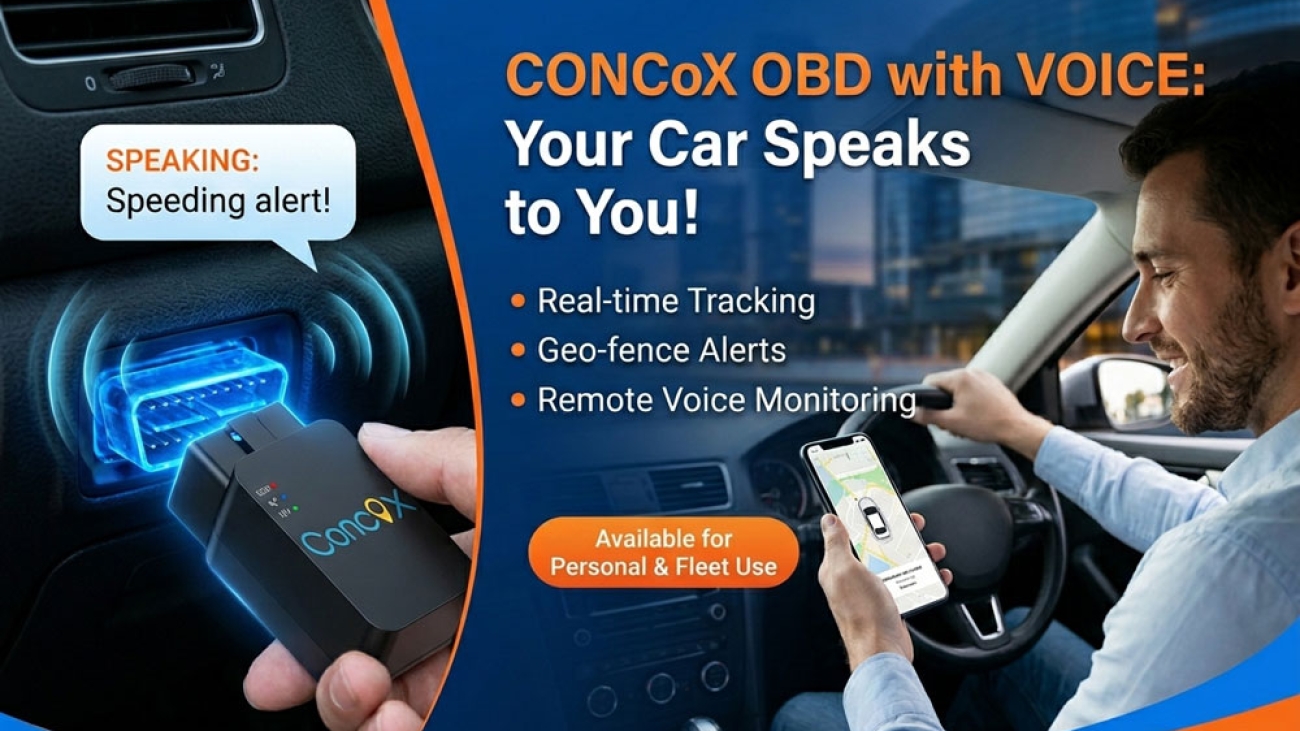
Concox OB22 OBD GPS Tracker with Voice Monitoring — Full Review (2025)
Product Review

Concox OB22 — OBD GPS Tracker with Voice Monitoring

A closer look at the plug & play tracker's features, how voice monitoring actually works, and whether it fits your needs.

The Concox OB22 stands out in the crowded OBD tracker category for one specific reason: it adds remote voice monitoring on top of the standard GPS tracking features — something most plug-and-play trackers in this price range don't offer.

Made by Jimi IoT (Concox), the OB22 is a plug & play OBD-port tracker that connects over GSM/GPRS alongside GPS positioning. It's built to be installed without tools or wiring, and it's widely supported across major fleet tracking platforms, which makes it a flexible option whether you're tracking a single family car or integrating it into an existing fleet system.

Key Features

PositioningDual GPS + LBS (cell tower) positioning for continued location estimates even in weak GPS conditions
InstallationPlug & play into the vehicle's OBD-II port — no wiring or professional installer needed
Power InputWide voltage range (9–36V), compatible with most standard, hybrid, and newer vehicles
Voice MonitoringCall a pre-set number and let it ring for a set duration to remotely listen to sound around the device
AlertsPlug-out alert, ignition (ACC) status change, over-speed, sharp turns, low battery, and SOS
SOS FunctionPress-and-hold to trigger an SOS alert that sends a message and calls preset emergency numbers
App & PlatformAndroid/iOS app plus web dashboard; also compatible with major third-party platforms (Wialon, Navixy, TrackoBit, and others)
HistoryDaily, weekly, and monthly trip playback

How Voice Monitoring Works

This is the OB22's headline feature. When a pre-registered phone number calls the device and lets it ring for roughly ten seconds without hanging up, the tracker automatically answers and lets you listen to the ambient sound around the vehicle — without any indicator light or sound alerting anyone nearby. It's designed as a discreet monitoring tool rather than a two-way intercom.

Use responsibly: Audio monitoring is legally and ethically different from location tracking. Recording or listening in on conversations without the knowledge of the people involved may be restricted or illegal depending on local law — this applies whether the vehicle is a family car, a rental, or a company vehicle with employees inside. Before relying on this feature, check local regulations and, for company or shared vehicles, get clear consent from anyone who may be recorded.

Other Notable Alerts

Plug-Out Alert

Sends a notification the moment the device is unplugged from the OBD port — useful for catching tampering or theft attempts early.

Ignition Status

Detects when the vehicle is turned on or off based on the OBD connection, useful for trip logging and idle-time tracking.

Over-Speed & Sharp Turn

Flags harsh driving events in real time — handy for both personal safety monitoring and company vehicle accountability.

SOS Alert

A held press sends an emergency SMS and calls preset numbers in sequence until someone answers.

Installation: What to Expect

  1. Locate your vehicle's OBD-II port — usually under the dashboard, near the steering column.
  2. Plug the OB22 directly into the port; no cutting, wiring, or tools required.
  3. Insert a compatible SIM card (check size and network compatibility beforehand) and power on the device.
  4. Download the companion app or log into the web platform to register the device.
  5. Set up your SOS numbers and voice-monitoring authorized number in the app settings.
  6. Test the plug-out alert, geofence, and voice monitoring once before relying on it day to day.

Who This Tracker Fits Best

  • Families wanting a quick, toolless way to track a personal or teen driver's car with an added safety-check option.
  • Small business owners managing a handful of company vehicles who want alerts without a full telematics contract.
  • Rental and leasing companies that need a fast install/removal process between different renters or lessees.
  • Anyone already using a fleet platform like Wialon or Navixy, since the OB22 integrates directly rather than requiring a separate proprietary app.

Pros and Cons

✔ Strengths

  • Genuinely tool-free installation
  • Voice monitoring is a rare feature at this device tier
  • Dual GPS+LBS positioning helps in weak-signal areas
  • Works with several established fleet platforms

✘ Considerations

  • Voice monitoring raises privacy/consent responsibilities
  • Requires an active SIM/data plan to function
  • OBD-based trackers can be spotted and unplugged, unlike hardwired units
  • Warranty and support terms vary significantly by retailer/region
Buying tip: Since the OB22 is sold through multiple regional distributors, compare warranty terms and SIM/data plan pricing between sellers in your country before purchasing — hardware pricing is often similar, but support and warranty coverage can differ significantly.

Considering the OB22 for your vehicle or fleet?

Tell us whether it's for a personal car or multiple company vehicles, and we'll help you compare it against other OBD trackers in this guide series.

Compare GPS Tracker Options

Frequently Asked Questions

Does the Concox OB22 work without cutting any wires?

Yes — it plugs directly into the vehicle's OBD-II port with no wiring or professional installation required.

Is voice monitoring legal to use?

This depends on your local laws around audio recording and consent. Regulations vary by country and by relationship (owner, employer, family member), so it's worth checking local rules and obtaining consent from anyone who may be recorded before using this feature.

Will the OB22 still work if it's unplugged from the OBD port?

It sends a plug-out alert to notify you when disconnected, and can run briefly on internal battery, but full functionality depends on being connected to the vehicle's power.

Can I use the OB22 with my existing fleet tracking software?

It's compatible with several established fleet and telematics platforms, so if you already use one of these systems, the OB22 can often integrate directly rather than requiring a separate app.

Final Thoughts

The Concox OB22 earns its place on a shortlist for anyone who wants an easy-install tracker with more than basic location reporting — the plug-out alert and voice monitoring feature genuinely set it apart from typical entry-level OBD trackers. The trade-off is responsibility: voice monitoring is a feature that needs to be used with clear consent and awareness of local law, not just switched on by default.

Concox OB22 OBD GPS Tracker GPS Tracker with Voice Monitoring Plug and Play GPS Tracker GPS Tracker UAE GPS Tracker Qatar Car Tracker with SOS
best GPS tracker in Dubai

Best GPS Tracker in Dubai : Top Picks & Buying Guide

Best GPS Tracker in Dubai: Top Picks & Buying Guide (2025)
2025 Buying Guide

Best GPS Tracker in Dubai: Top Picks & Buying Guide

What to look for, top picks by category, and current price ranges for GPS trackers in Dubai.

Finding the best GPS tracker in Dubai comes down to matching the device to how you'll actually use it — daily commuting, family safety, or keeping an eye on a business vehicle.

Dubai's roads see a mix of daily commuters, delivery fleets, and high-value personal vehicles, which is exactly why GPS tracking has become such a common add-on here. However, not every tracker sold online is built for local conditions like summer heat or long highway drives. This guide walks through the types available, what actually matters when choosing one, and current price ranges so you can shop with confidence.

Why Drivers in Dubai Are Adding GPS Trackers

Vehicle theft recovery is one obvious reason, but it's rarely the only one. Many residents also use trackers for family safety, especially when a teen driver or a household car is involved. Fleet operators, meanwhile, rely on tracking to control fuel costs and confirm delivery routes.

In addition, Dubai's extreme summer heat makes battery and build quality genuinely important. A tracker that isn't heat-rated may fail exactly when it's needed most — so this is worth keeping in mind as you compare options below.

Types of GPS Trackers Sold in Dubai

Before picking a specific product, it helps to know which category fits your situation:

  • OBD plug-in trackers — no wiring, installs in minutes, easy to move between vehicles.
  • Hardwired trackers — hidden and harder to remove, best for theft deterrence.
  • Portable battery trackers — flexible placement, useful for assets or occasional tracking.
  • Fleet telematics systems — built for businesses managing several vehicles at once.

What to Look for in the Best GPS Tracker in Dubai

Not every feature matters equally. Here's what's actually worth prioritizing:

Heat & Water Resistance

  • IP65+ rating recommended for summer conditions
  • Wide operating temperature range

Local SIM Compatibility

  • Works with du or Etisalat networks
  • Clear, published monthly data cost

Real-Time Updates

  • 10–30 second location refresh for live tracking
  • Trip history and playback

Alerts You'll Actually Use

  • Geofencing for home, work, or border zones
  • Plug-out or tamper alerts for theft deterrence
Quick tip: If you're tracking a company vehicle, check the UAE's Roads and Transport Authority (RTA) guidance on commercial vehicle regulations before installing hardwired trackers, since some vehicle categories have specific compliance requirements.

Top Picks by Category

A note on this list: Instead of naming specific models that change in price and availability, each pick below is a proven tracker category. Use it as a checklist when comparing real listings on Amazon.ae, Noon, or local Dubai electronics retailers.
1Best Overall for Personal Cars

An OBD plug-in tracker with real-time updates and geofencing — the easiest starting point for most Dubai drivers who want reliable tracking without installation hassle.

2Best for Theft Deterrence

A hardwired, hidden tracker with tamper alerts — the strongest option if your priority is recovering a stolen vehicle quickly.

3Best Budget Pick

A basic plug-in tracker with location and trip history only, ideal if you just want peace of mind without extra features.

4Best for Family Safety

A tracker with geofencing and speed alerts, useful for monitoring a teen driver or household vehicle without constant manual checking.

5Best for Small Business Fleets

A telematics-ready tracker that reports into a dashboard covering multiple vehicles, suited to businesses running delivery or service fleets across the city.

GPS Tracker Price Ranges in Dubai

Type Device Price (AED) Monthly Data Cost (AED)
OBD Plug-In 150–400 20–40
Hardwired 350–800 30–60
Portable Battery 220–550 20–45
Fleet Telematics (per vehicle) 300–700 40–100

Prices reflect approximate 2025 market ranges in Dubai and exclude installation fees for hardwired units.

Where to Buy in Dubai

Most residents buy through Amazon.ae, Noon, or electronics retailers in malls and local souks. Buying from a Dubai-based seller often makes warranty claims and SIM activation simpler, so it's worth comparing local listings alongside online marketplaces before deciding.

Pros and Cons of Using a GPS Tracker in Dubai

✔ Advantages

  • Faster recovery if a vehicle is stolen
  • Peace of mind for family and household vehicles
  • Better cost control for small delivery fleets
  • Possible insurance benefits with some providers

✘ Considerations

  • Ongoing SIM/data subscription costs
  • Heat can affect lower-quality devices over time
  • Battery units need regular charging
  • Support quality varies between sellers

Still deciding which tracker fits your car?

Tell us your vehicle type and main reason for tracking — safety, theft prevention, or fleet management — and we'll help you narrow it down.

Get a Personalized Recommendation

Frequently Asked Questions

What is the best GPS tracker in Dubai for a personal car?

For most personal vehicles, an OBD plug-in tracker with real-time updates and geofencing offers the best balance of ease of installation and useful features.

Do GPS trackers work well in Dubai's summer heat?

Devices rated IP65 or higher and built for a wide operating temperature range typically perform reliably through Dubai summers, while lower-quality units are more prone to failure.

Is it legal to install a GPS tracker on my own car in Dubai?

Tracking a vehicle you own is generally permitted. If you're tracking a company vehicle or one used by someone else, it's best to check current regulations, for example through the RTA, or consult a legal advisor.

How much does a GPS tracker cost monthly in Dubai?

Most SIM-based trackers require a monthly data plan, typically ranging from AED 20–60 depending on the provider and how frequently the device reports location.

Final Thoughts

The best GPS tracker in Dubai isn't a single specific product — it depends on whether you need simple peace of mind, strong theft deterrence, or fleet-wide visibility across several vehicles. Prioritize heat resistance and local SIM compatibility first, then choose the category that matches your budget and how often you'll actually check the data. For a broader regional comparison, see our guide to the best GPS tracker for cars across Qatar, UAE, and Saudi Arabia.

Best GPS Tracker in Dubai GPS Tracker Dubai Car Tracker UAE Vehicle Tracking Dubai GPS Tracker Price Dubai Buy GPS Tracker Dubai