


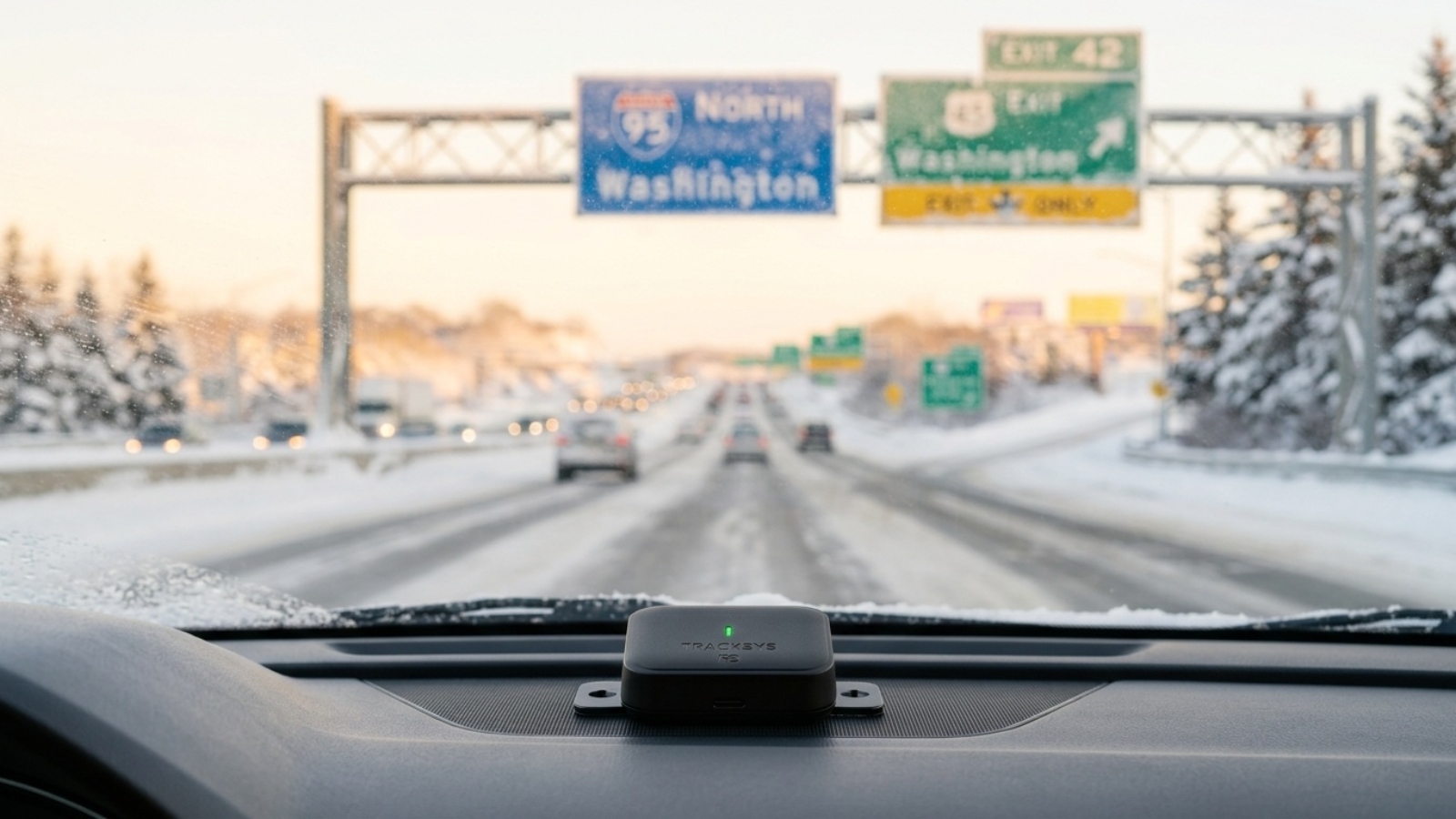
Best GPS Tracker for Car in Canada (2026): Complete Cold-Weather Buying Guide
Canada presents a challenge most GPS tracker reviews never mention: cold weather kills battery performance. A tracker rated for 3 months of battery life in a mild climate can drop to half that once temperatures fall below freezing for months at a time. If you’re shopping for the best GPS tracker for a car in Canada, this guide covers what actually matters here — from winter battery drain to rural cellular coverage — so you don’t end up with a tracker that stops reporting the moment the snow starts.
Why Canadian Drivers Need a Different Buying Checklist
Three factors make Canada different from most GPS tracker markets. First, extreme cold (common across the Prairies, Northern Ontario, and Quebec winters) significantly shortens battery life on magnetic, non-hardwired trackers — lithium batteries lose efficiency below -10°C. Second, large stretches of rural highway in provinces like Saskatchewan, Manitoba, and Northern BC have patchy cellular coverage, so a tracker’s network compatibility matters more than in dense urban markets. Third, cross-border driving and trucking between Canada and the U.S. is common, so many Canadian buyers specifically need a tracker that keeps working seamlessly once it crosses into American cell networks.
If you’re also managing more than one vehicle, our GPS tracker guide for company cars covers fleet-specific features worth comparing against the personal-use picks below.
Types of GPS Trackers Available to Canadian Buyers
- 🔌 OBD-II plug-in trackers — plug into the diagnostic port and draw power directly from the car, which sidesteps the cold-weather battery problem entirely. A strong choice for anyone driving through a Canadian winter.
- 🔧 Hardwired trackers — wired into the vehicle’s electrical system and hidden out of sight. Like OBD trackers, they never rely on an internal battery, making them the most cold-weather-reliable option for theft recovery.
- 🧲 Magnetic battery-powered trackers — stick to the undercarriage with no installation needed, but expect real-world battery life to run noticeably shorter than the manufacturer’s stated figure once temperatures drop.
- 📦 Personal/asset trackers — smaller devices for trailers, snowmobiles, ATVs, and other seasonal equipment that sits outside for months at a time.
Subscription vs. No-Monthly-Fee Trackers in Canada
| Type | Best For | Typical Cost (CAD) |
|---|---|---|
| Subscription (4G) | Rural routes, cross-border driving, winter reliability | $15–$30/month |
| No-monthly-fee | City driving, budget-conscious buyers | $0 after purchase |
Subscription (cellular) trackers run on 4G/LTE networks and typically cost $15–$30 CAD a month in Canada. In exchange, you get real-time location updates, geofencing, speed alerts, and full trip history — important if the vehicle regularly travels through rural or cross-border routes.
No-monthly-fee trackers rely on Bluetooth-based crowd networks or low-power one-time-activated connections. They’re cheaper long-term and fine for city driving, but in less densely populated Canadian regions, fewer nearby devices means location updates can be sparse or delayed.
Key Features to Check Before You Buy
- Cold-weather battery rating — look specifically for an operating temperature range that includes at least -20°C.
- Network coverage in your province — confirm the tracker’s carrier partner has strong coverage in the specific region you drive, not just major cities.
- Update frequency — 3–10 second updates for theft recovery and teen-driver monitoring; longer intervals are fine for general location awareness.
- Geofencing and speed alerts — useful for new drivers and for knowing when a vehicle leaves a job site or designated area.
- Waterproof and weatherproof rating — road salt, slush, and freeze-thaw cycles are harsher on external hardware than rain alone, so look for at least IP65.
- Cross-border functionality — if you drive into the U.S. regularly, confirm the tracker’s plan includes cross-border coverage without extra roaming charges.
Top GPS Tracker Types for Canadian Drivers Right Now
- For winter reliability: an OBD or hardwired tracker that draws power from the vehicle avoids the cold-weather battery drop entirely.
- For theft recovery: a hardwired 4G tracker with fast update speed and a hidden install location gives the best odds of recovery in an urban car theft situation.
- For rural and cross-border driving: prioritize a subscription tracker with strong carrier coverage and confirmed U.S. roaming rather than a Bluetooth-dependent no-fee tracker.
- For families and teen drivers: look for driving-behavior scoring, speed alerts, and geofencing around home, school, and work.
- For seasonal equipment: a rugged battery-powered asset tracker rated for extreme cold works well for trailers, snowmobiles, and ATVs stored outdoors.
For plug-and-play options specifically, our Concox OB22 OBD tracker review is a useful comparison point, and the general GPS tracker buying guide covers the fundamentals if this is your first tracker purchase.
Is It Legal to Track a Vehicle in Canada?
Tracking a vehicle you own is legal across all Canadian provinces. As with most countries, it becomes more nuanced with financed vehicles, shared-custody situations, or vehicles primarily driven by another adult, where consent from the primary driver is generally expected. Employers tracking company-owned fleet vehicles are typically permitted provided employees are informed, in line with provincial privacy legislation (such as PIPEDA at the federal level).
How Much Should You Expect to Pay in Canada?
Budget no-subscription magnetic trackers typically start around $30–$50 CAD. Mid-range 4G trackers run $40–$80 CAD upfront plus $15–$30 CAD monthly. Hardwired professional units with strong cold-weather ratings and lifetime plans cost more upfront but remove the recurring bill and the winter battery concern altogether — often the better long-term value for anyone dealing with real Canadian winters.
Final Thoughts
The right GPS tracker for a car in Canada comes down to one question most other buying guides never ask: how does it perform once the temperature drops? If you live somewhere with a real winter, prioritize a hardwired or OBD tracker that draws vehicle power over a magnetic battery unit, confirm real cold-weather ratings rather than trusting the marketing copy, and double-check network coverage for the specific roads you actually drive — especially if that includes rural highways or the U.S. border.
Add a Comment