

top GPS trackers for cars Qatar UAE Saudi Arabia

Top 5 GPS Trackers for Cars in Qatar, UAE & Saudi Arabia, Compared

TOP PICKS ยท QATAR ยท UAE ยท SAUDI ARABIA

Top 5 GPS Trackers for Cars in Qatar, UAE & Saudi Arabia, Compared

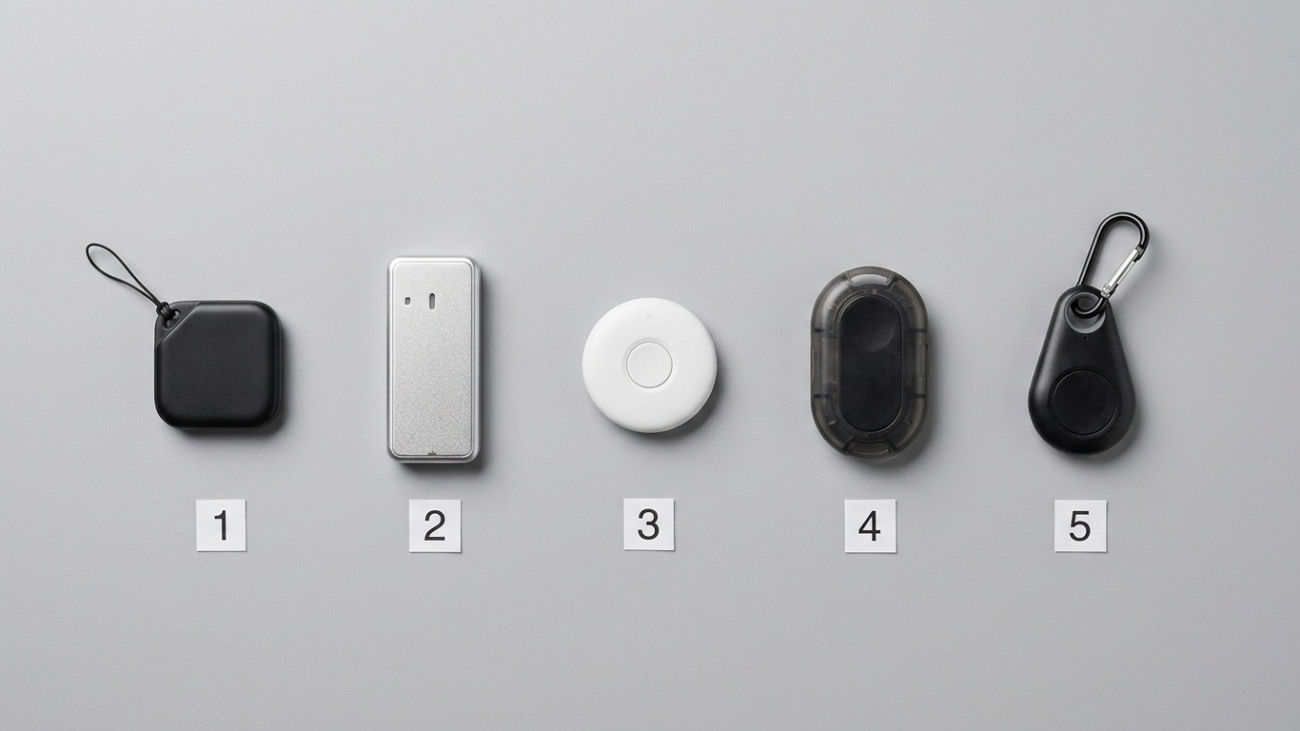
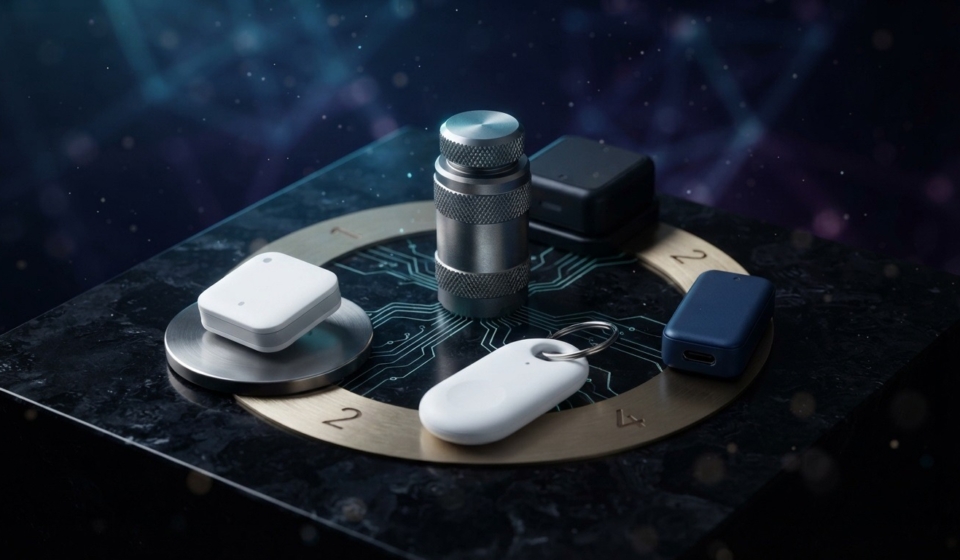
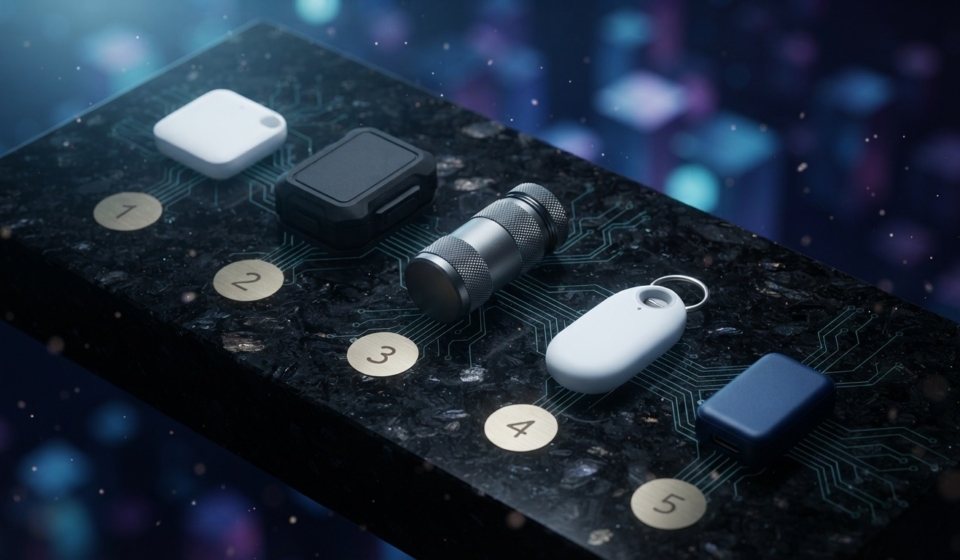
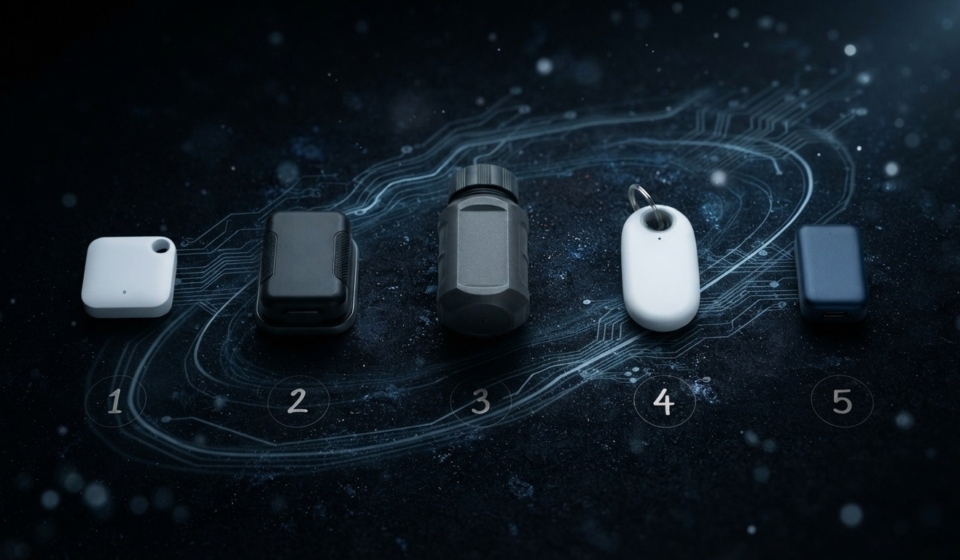
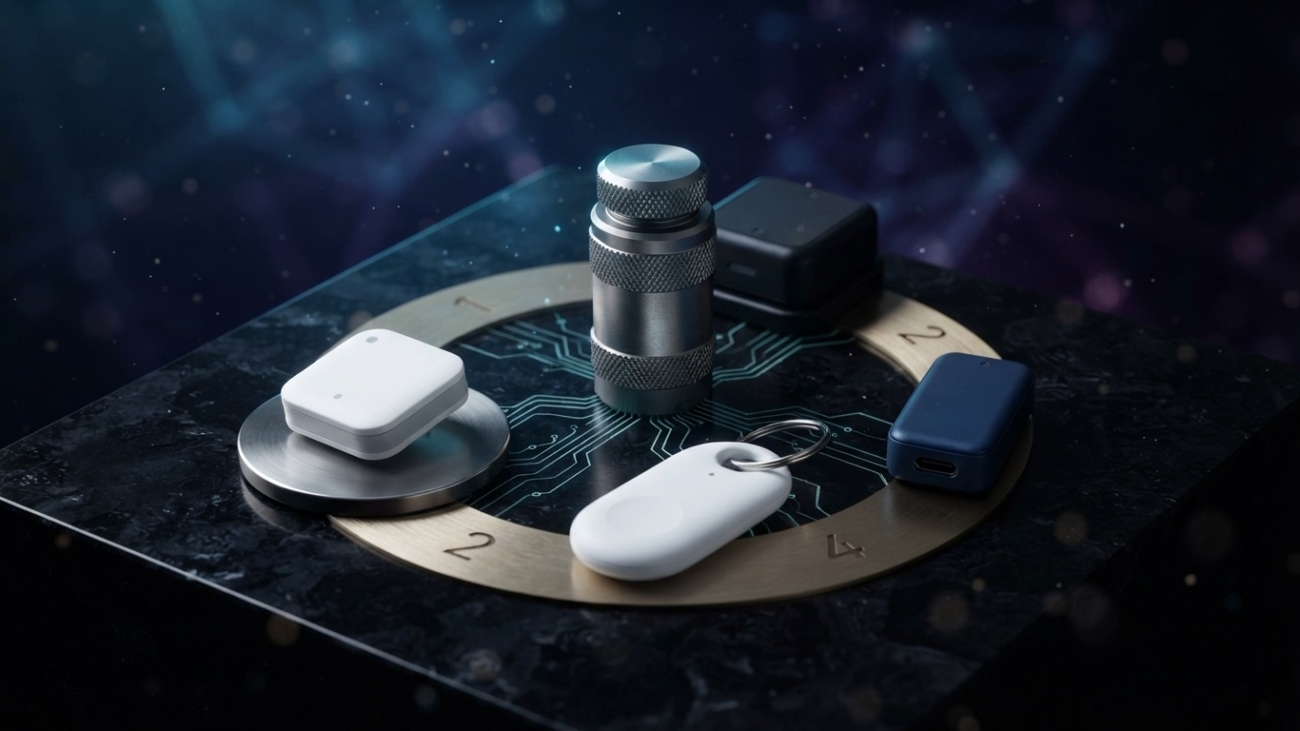
Not every GPS tracker on the market is built to survive Gulf summer heat, and not every buyer needs the same feature set. Some just want a cheap way to keep an eye on a second car; others are running a small delivery or logistics fleet through desert routes. Here are five distinct types of trackers worth considering across Qatar, the UAE, and Saudi Arabia right now, matched to who they actually make sense for.

๐Ÿ’ก Quick Tip: Before picking a tracker, decide whether you’re solving for theft protection, fleet efficiency, or just casual peace of mind โ€” the right pick genuinely differs by use case, not just by price.

Quick Comparison

# Type Best For Monthly Fee
1 Hardwired fleet tracker (e.g. Teltonika FMB920) Fleets, theft protection, remote immobilization Yes
2 OBD plug-in tracker (e.g. Concox OB22) Personal cars, quick self-install Yes
3 Mini Bluetooth tag (Apple Find My certified) Budget buyers, bikes, bags, second vehicles No
4 Magnetic battery tracker No-install tracking, temporary use Varies
5 Dash cam with built-in GPS Accident evidence + location in one device Optional

1. Hardwired Fleet Tracker โ€” Best for Businesses and Theft Protection

If you’re managing more than one vehicle, or theft protection is the priority, a hardwired unit like the Teltonika FMB920 is the strongest option in this climate. It draws power directly from the vehicle, so there’s no battery to degrade in the heat, and features like remote engine immobilization and multi-satellite accuracy make it genuinely harder for a thief to work around.

2. OBD Plug-In Tracker โ€” Best for Personal Cars

An OBD tracker like the Concox OB22 plugs into the diagnostic port under the dashboard in seconds โ€” no wiring, no workshop visit. It still draws vehicle power, avoiding heat-related battery issues, and works well for personal cars, rentals, or anyone who wants real-time tracking without a permanent install.

3. Mini Bluetooth Tag โ€” Best for Budget-Conscious Buyers

For lower-stakes tracking โ€” a motorcycle, a bag, a second car that mostly stays in the city โ€” a compact tag like the GPS Tag mini tracker is hard to beat. No monthly fee and multi-year battery life make it one of the cheapest ways to add real location tracking to something you own.

4. Magnetic Battery Tracker โ€” Best for No-Install Flexibility

Magnetic trackers attach to the undercarriage in seconds with no tools required, which makes them appealing if you want to move a tracker between vehicles or avoid any installation at all. In this region specifically, sustained heat shortens battery life more than the manufacturer’s rated figure suggests โ€” this option suits shorter-term or lower-priority tracking rather than a primary theft-protection setup.

5. Dash Cam With Built-In GPS โ€” Best for Accident Documentation

If recording evidence in the event of an accident matters as much as knowing your car’s location, a GPS-equipped dash cam covers both in one device.

โš ๏ธ Heat Reminder: Whichever type you choose, confirm its rated operating temperature comfortably covers regional summer heat before buying. A device that isn’t heat-rated can fail well before its expected lifespan, regardless of how good its features look on paper.

Which One Should You Actually Buy?

  • Running a fleet or prioritizing theft protection? Go with a hardwired tracker.
  • Want real-time tracking on a personal car with zero installation hassle? An OBD tracker is the easiest middle ground.
  • Just want basic peace of mind with no ongoing cost? A mini Bluetooth tag covers that well.
  • Need to document accidents as well as track location? A GPS dash cam does both.

For a deeper look at what to check before buying any of these, see our full GPS tracker buying guide for Qatar, UAE & Saudi Arabia, and for fleet-specific buying advice, our fleet and company vehicle guide covers what to ask suppliers before buying in bulk.

Final Thoughts

There’s no single “best” GPS tracker for this region โ€” the right choice depends entirely on whether you’re protecting a fleet, a personal car, or just a bike or bag. What matters across all five options is the same: confirm real heat tolerance before buying, and match the device’s update speed and features to how seriously you actually need to track it.
GPS tracker for fleet Qatar UAE Saudi Arabia

Best GPS Tracker for Fleet & Company Vehicles in Qatar, UAE & Saudi Arabia

FLEET GUIDE ยท QATAR ยท UAE ยท SAUDI ARABIA

Best GPS Tracker for Fleet & Company Vehicles in Qatar, UAE & Saudi Arabia

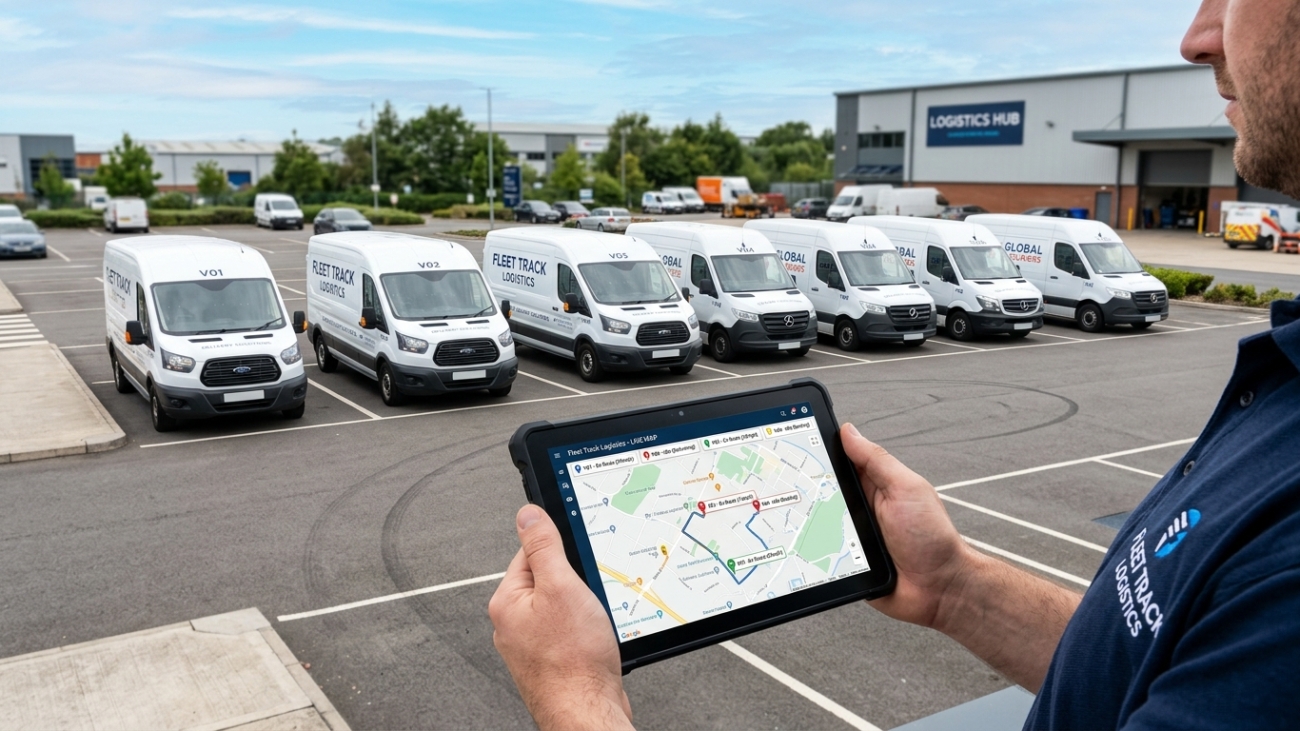
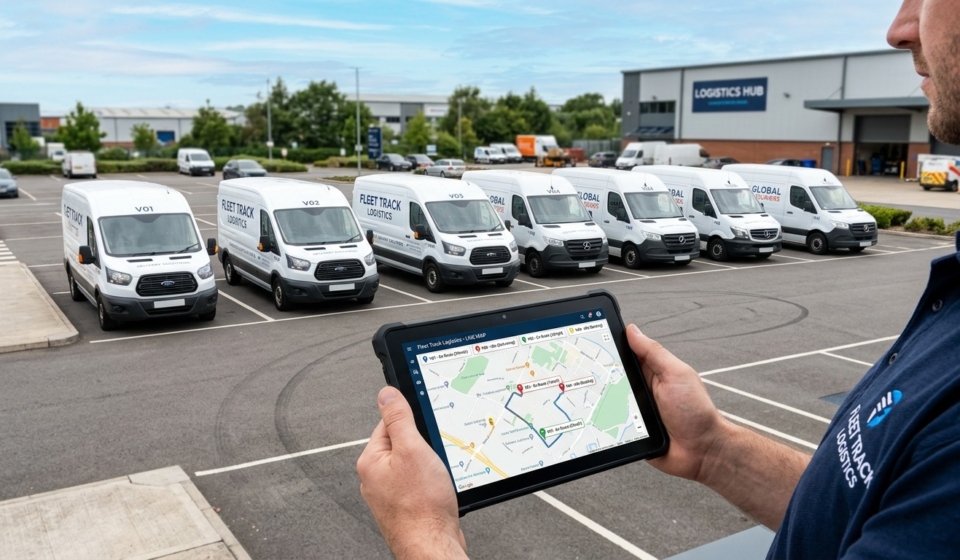
Logistics, construction, and oil & gas sectors across the Gulf run on vehicles that move constantly through extreme summer heat, dense city traffic, and long desert highway stretches. Managing more than a couple of company vehicles without real-time tracking means guessing at fuel costs, routes, and driver behavior. Here’s what actually matters beyond a single-car buying guide when outfitting a fleet anywhere in Qatar, the UAE, or Saudi Arabia.

๐Ÿ’ก Quick Tip: A fleet tracker is only as useful as its dashboard. Before buying in bulk, ask for a demo of the multi-vehicle map view and reporting tools โ€” a great single device with a weak fleet dashboard will frustrate whoever manages it daily.

How Fleet Tracking Differs from a Personal Car Tracker

If you’ve read our GPS tracker buying guide for Qatar, UAE, and Saudi Arabia, you already know heat resistance and 4G reliability matter across the region. Fleet tracking adds a second layer on top: you’re not just asking “where is this vehicle,” you’re asking “how efficiently is my whole fleet running,” which means the software and reporting side matters as much as the hardware.

Core Features a Gulf Fleet Needs

Feature Why It Matters for Gulf Fleets
Multi-vehicle dashboard See every vehicle on one live map instead of checking devices one by one
Industrial-grade heat rating Hardware sitting in vehicles through summer needs to survive sustained 60โ€“70ยฐC+
Fuel monitoring Flags fuel siphoning and inefficient routing across long desert or highway routes
Driver ID / RFID support Confirms which employee was driving, important for accountability and compliance
Geofencing per site Alerts when a vehicle leaves a port, warehouse, or job site
Exportable trip & fuel reports Needed for internal cost audits and client-facing delivery confirmations

Hardware Types Best Suited to Fleet Use

  • ๐Ÿ”ง Hardwired trackers โ€” the standard for fleets. No battery to manage, hidden from casual view, and built to run continuously for years across dozens of vehicles.
  • ๐Ÿ”Œ OBD-II trackers โ€” faster to install across a growing fleet since no wiring work is needed.
  • ๐Ÿ“ฆ Asset trackers โ€” for non-powered equipment like trailers, generators, or containers moving through ports and job sites.
โš ๏ธ Common Fleet Buying Mistake: Choosing hardware based on price per unit alone. A slightly cheaper tracker with a weak dashboard or poor heat tolerance often costs more over 12 months in replacement units and wasted manager time than a pricier, properly rated device.

Fuel and Route Efficiency: Where the Real Savings Are

For most Gulf-based fleets โ€” whether that’s a construction subcontractor, a logistics operator, or an oil & gas transport business โ€” the biggest cost isn’t the tracker itself, it’s fuel and route inefficiency. Fuel-sensor integration that reports directly from the vehicle can catch siphoning early and highlight which routes or drivers are burning more fuel than expected. Over a fleet of 10โ€“20 vehicles, this kind of monitoring routinely pays for the tracking system itself within the first year.

Compliance and Driver Accountability

For regulated sectors like oil & gas transport, and for commercial fleets more broadly, tracking which authorized driver is operating a given vehicle matters as much as the vehicle’s location. RFID or driver-ID integration lets fleet managers confirm that only trained, authorized personnel are behind the wheel of company vehicles โ€” useful for both safety compliance and for resolving disputes after an incident.

What to Ask a GPS Tracker Supplier Before Buying in Bulk

  • What’s the tracker’s rated operating temperature, and is that tested in real desert conditions or a lab at room temperature?
  • Does the dashboard support unlimited or tiered vehicle counts, and what does pricing look like as the fleet grows?
  • Can trip and fuel reports be exported for internal audits or client reporting?
  • What’s the warranty and local support/replacement process if a unit fails in the field?
  • Is installation available on-site, or does each vehicle need to be brought to a workshop?

For a closer look at hardware options, see our Qatar, UAE & Saudi Arabia GPS tracker buying guide, or our broader GPS tracker guide for company cars for features that apply across any market.

Final Thoughts

A fleet tracking setup anywhere in the Gulf succeeds or fails on two things most single-car buyers never have to consider: whether the hardware genuinely survives sustained desert heat, and whether the dashboard actually makes a manager’s day easier rather than harder. Prioritize industrial-rated devices, a dashboard your team will actually use, and fuel-monitoring features that pay for themselves โ€” the savings from reduced fuel waste and better route efficiency almost always outweigh the upfront hardware cost within the first year.

top GPS trackers for cars

Top 5 GPS Trackers for Cars in Bangladesh, Compared

TOP PICKS ยท BANGLADESH

Top 5 GPS Trackers for Cars in Bangladesh, Compared

Not every GPS tracker on the market is built to survive Dhaka’s heat, traffic, and monsoon flooding, and not every buyer needs the same feature set. Some just want a cheap way to keep an eye on a CNG or second car; others are running a small delivery fleet. Here are five distinct types of trackers worth considering in Bangladesh right now, matched to who they actually make sense for.

๐Ÿ’ก Quick Tip: Before picking a tracker, decide whether you’re solving for theft protection, fleet efficiency, or just casual peace of mind โ€” the right pick genuinely differs by use case, not just by price.

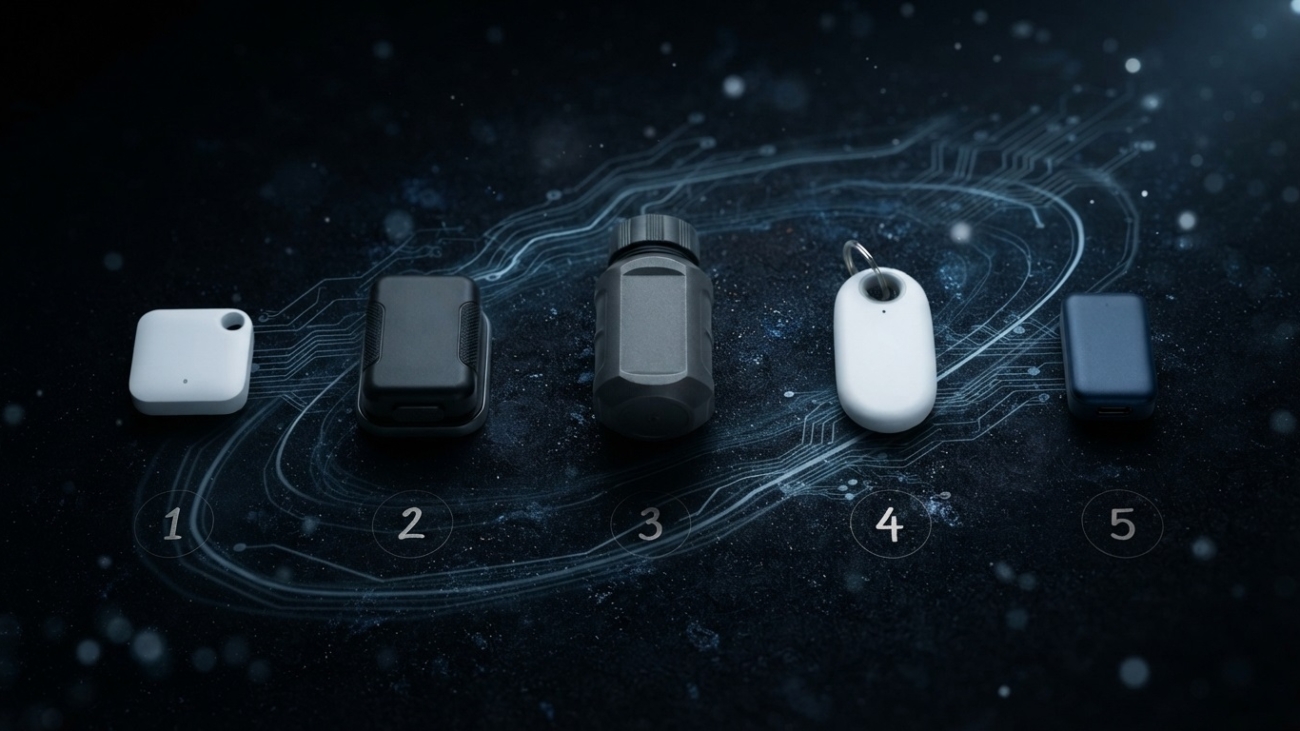
Quick Comparison

# Type Best For Monthly Fee
1 Hardwired fleet tracker (e.g. Teltonika FMB920) Fleets, theft protection, remote immobilization Yes
2 OBD plug-in tracker (Concox OB22) Personal cars, ride-share drivers, quick self-install Yes
3 Wireless tracker (1000mAh) CNGs, motorcycles, moving between vehicles Yes
4 Mini Bluetooth tag (Apple Find My certified) Budget buyers, bags, second vehicles No
5 Dash cam with built-in GPS (Concox JC182) Accident evidence + location in one device Optional

1. Hardwired Fleet Tracker โ€” Best for Businesses and Theft Protection

If you’re managing more than one vehicle, or theft protection is the priority, a hardwired unit like the Teltonika FMB920 is a strong option. It draws power directly from the vehicle, so there’s no battery to manage, and features like remote engine immobilization make it genuinely harder for a thief to work around.

2. OBD Plug-In Tracker โ€” Best for Personal Cars and Ride-Share Drivers

An OBD tracker like the Concox OB22 plugs into the diagnostic port under the dashboard in seconds โ€” no wiring, no workshop visit. Currently priced around BDT 3,000โ€“5,000 in Bangladesh, it’s an easy self-install for personal cars or CNG/ride-share drivers.

3. Wireless Tracker โ€” Best for CNGs and Motorcycles

Our own 1000mAh wireless GPS tracker uses a magnetic mount with no wiring at all, making it easy to move between a CNG, motorcycle, or car as needed. A solid middle ground between a full install and a basic Bluetooth tag.

4. Mini Bluetooth Tag โ€” Best for Budget-Conscious Buyers

For lower-stakes tracking โ€” a bag, a second car that mostly stays in the city โ€” a compact tag like the GPS Tag mini tracker is hard to beat. No monthly fee and multi-year battery life make it one of the cheapest ways to add real location tracking.

5. Dash Cam With Built-In GPS โ€” Best for Accident Documentation

The Concox JC182, priced around BDT 15,000โ€“18,000, records 2K video while also tracking location โ€” useful given how often accident disputes come down to who has footage on Dhaka’s roads.

โš ๏ธ Monsoon Reminder: Whichever type you choose, confirm a genuine IP66+ waterproof rating before buying โ€” standard IP65 units struggle with prolonged water exposure during monsoon flooding, not just splashes.

Which One Should You Actually Buy?

  • Running a fleet or prioritizing theft protection? Go with a hardwired tracker.
  • Want real-time tracking with zero installation hassle? An OBD tracker is the easiest middle ground.
  • Need to move a tracker between a CNG, bike, and car? A wireless tracker is the most flexible.
  • Just want basic peace of mind with no ongoing cost? A mini Bluetooth tag covers that well.
  • Need to document accidents as well as track location? A GPS dash cam does both.

For a deeper look at what to check before buying any of these, see our full GPS tracker buying guide for Bangladesh, and for fleet-specific buying advice, our fleet and company vehicle guide covers what to ask suppliers before buying in bulk.

Final Thoughts

There’s no single “best” GPS tracker for Bangladesh โ€” the right choice depends entirely on whether you’re protecting a fleet, a personal car, a CNG, or just a bag. What matters across all five options is the same: confirm real monsoon resistance before buying, and match the device’s update speed and features to how seriously you actually need to track it.
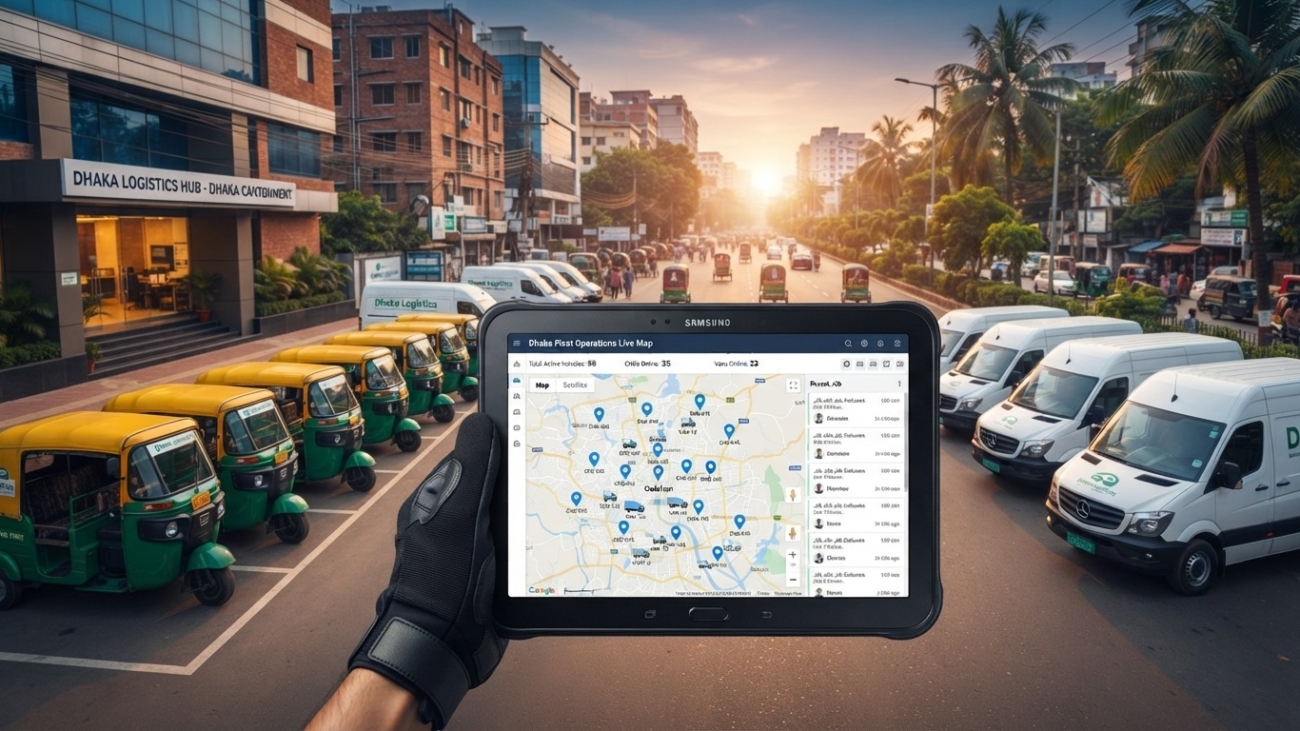
GPS tracker for fleet Bangladesh

Best GPS Tracker for Fleet & Company Vehicles in Bangladesh

FLEET GUIDE ยท BANGLADESH

Best GPS Tracker for Fleet & Company Vehicles in Bangladesh

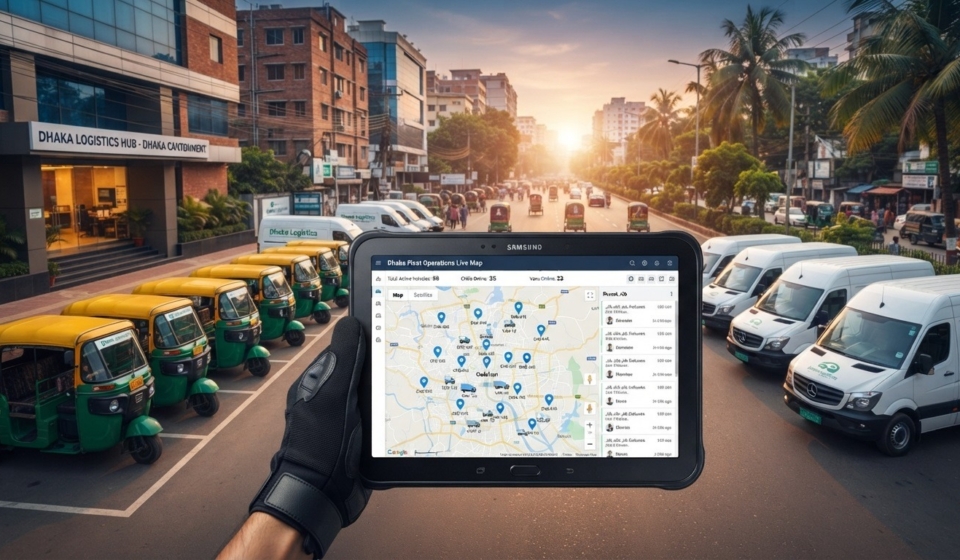
Dhaka’s delivery, ride-share, and logistics businesses run on vehicles that move constantly through dense traffic, monsoon flooding, and long highway routes between districts. Managing more than a couple of company vehicles without real-time tracking means guessing at fuel costs, routes, and driver behavior. Here’s what actually matters beyond a single-car buying guide when outfitting a fleet in Bangladesh.

๐Ÿ’ก Quick Tip: A fleet tracker is only as useful as its dashboard. Before buying in bulk, ask for a demo of the multi-vehicle map view and reporting tools โ€” a great single device with a weak fleet dashboard will frustrate whoever manages it daily.

How Fleet Tracking Differs from a Personal Car Tracker

If you’ve read our GPS tracker buying guide for cars in Bangladesh, you already know monsoon-proofing and heat tolerance matter. Fleet tracking adds a second layer on top: you’re not just asking “where is this vehicle,” you’re asking “how efficiently is my whole fleet running,” which means the software and reporting side matters as much as the hardware.

Core Features a Bangladeshi Fleet Needs

Feature Why It Matters for Bangladeshi Fleets
Multi-vehicle dashboard See every vehicle on one live map instead of checking devices one by one
IP66+ waterproofing Handles monsoon waterlogging across the whole fleet, not just one vehicle
Fuel monitoring Flags fuel siphoning and inefficient routing, a common cost issue for delivery and CNG fleets
Driver behavior scoring Tracks harsh braking and speeding through dense Dhaka traffic
Geofencing per site Alerts when a vehicle leaves a warehouse, depot, or delivery zone
Exportable trip & fuel reports Needed for internal cost audits and client-facing delivery confirmations

Hardware Types Best Suited to Fleet Use

  • ๐Ÿ”ง Hardwired trackers โ€” the standard for fleets. No battery to manage, hidden from casual view, and built to run continuously across dozens of vehicles.
  • ๐Ÿ”Œ OBD-II trackers โ€” faster to install across a growing delivery or ride-share fleet since no wiring work is needed.
  • ๐Ÿ“ฆ Wireless/portable trackers โ€” useful for CNGs and motorcycles that rotate between drivers or need to move between vehicles.
โš ๏ธ Common Fleet Buying Mistake: Choosing hardware based on price per unit alone. A slightly cheaper tracker without genuine IP66+ waterproofing often costs more over a monsoon season in replacement units and lost tracking data than a pricier, properly rated device.

Fuel and Route Efficiency: Where the Real Savings Are

For most fleets in Bangladesh โ€” delivery, ride-share, or small logistics operations โ€” the biggest cost isn’t the tracker itself, it’s fuel and route inefficiency through Dhaka’s traffic. Fuel-sensor integration and route reporting can catch wasteful driving early and highlight which routes or drivers are burning more fuel than expected. Over a fleet of 10โ€“20 vehicles, this kind of monitoring routinely pays for the tracking system itself within the first year.

Driver Accountability

For delivery and ride-share operators, tracking which driver is operating a given vehicle matters for accountability, fare disputes, and resolving disagreements after an incident. Basic geofencing and trip history alone can settle most route or timing disputes without extra hardware.

What to Ask a GPS Tracker Supplier Before Buying in Bulk

  • What’s the tracker’s actual IP waterproof rating, and is it tested in real monsoon conditions or just a lab spec?
  • Does the dashboard support tiered or unlimited vehicle counts, and what does pricing look like as the fleet grows?
  • Can trip and fuel reports be exported for internal audits or client reporting?
  • What’s the warranty and local support/replacement process if a unit fails in the field?
  • Is installation available on-site, or does each vehicle need to be brought to a workshop?

For a closer look at hardware options, see our Bangladesh GPS tracker buying guide, or our broader GPS tracker guide for company cars for features that apply across any market.

Final Thoughts

A fleet tracking setup in Bangladesh succeeds or fails on two things most single-car buyers never have to consider: whether the hardware genuinely survives monsoon flooding and heat, and whether the dashboard actually makes a manager’s day easier rather than harder. Prioritize genuinely IP66+ rated devices, a dashboard your team will actually use, and fuel-monitoring features that pay for themselves โ€” the savings from reduced fuel waste and better route efficiency almost always outweigh the upfront hardware cost.

top GPS trackers for cars Malaysia

Top 5 GPS Trackers for Cars in Malaysia, Compared

TOP PICKS ยท MALAYSIA

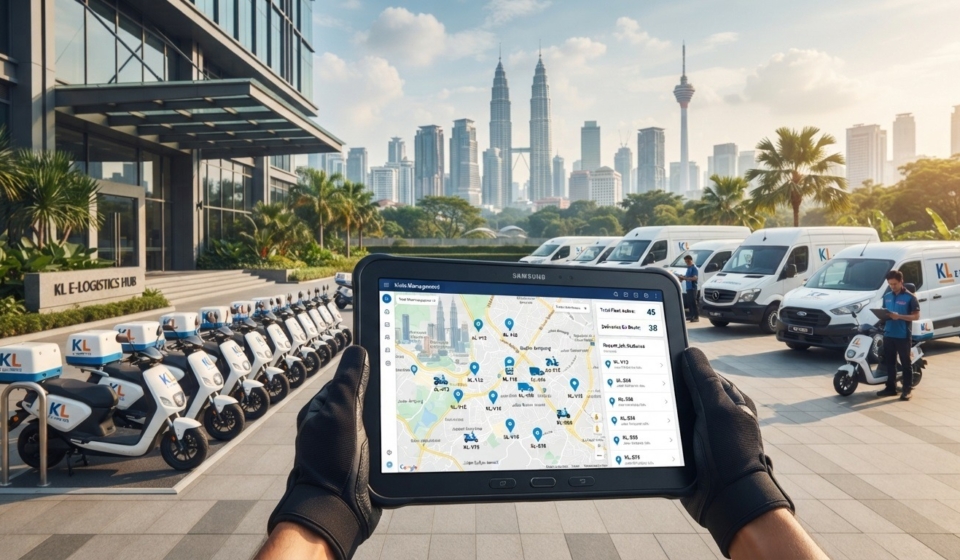
Top 5 GPS Trackers for Cars in Malaysia, Compared

Not every GPS tracker on the market is built to survive Malaysia’s heat and monsoon rain, and not every buyer needs the same feature set. Some just want a cheap way to keep an eye on a second car; others are running a small delivery or e-hailing fleet through KL traffic. Here are five distinct types of trackers worth considering in Malaysia right now, matched to who they actually make sense for.

๐Ÿ’ก Quick Tip: Before picking a tracker, decide whether you’re solving for theft protection, fleet efficiency, or just casual peace of mind โ€” the right pick genuinely differs by use case, not just by price.

Quick Comparison

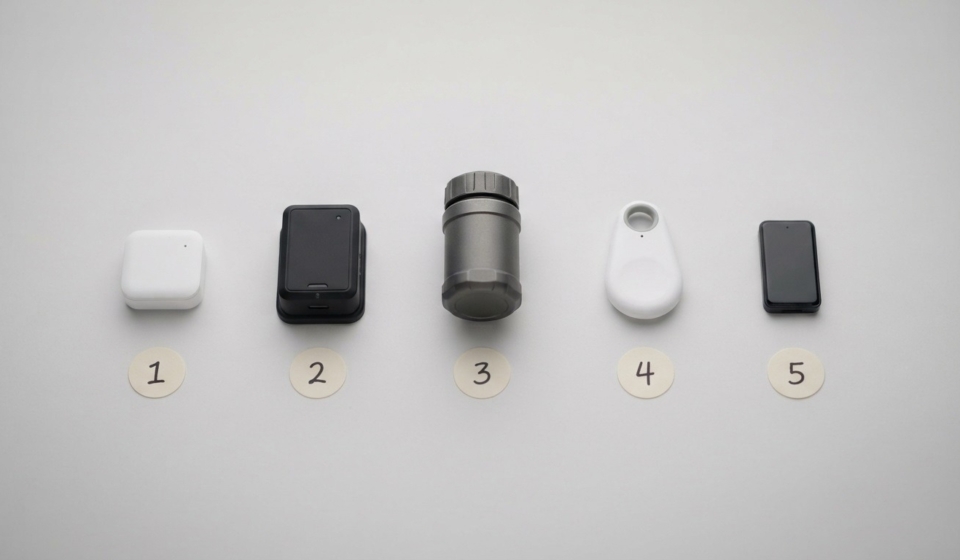
# Type Best For Monthly Fee
1 Hardwired fleet tracker (e.g. Teltonika FMB920) Fleets, theft protection, remote immobilization Yes
2 OBD plug-in tracker (e.g. Concox OB22) Personal cars, Grab/e-hailing drivers, quick self-install Yes
3 Mini Bluetooth tag (Apple Find My certified) Budget buyers, motorcycles, bags, second vehicles No
4 Magnetic battery tracker No-install tracking, temporary use Varies
5 Dash cam with built-in GPS Accident evidence + location in one device Optional

1. Hardwired Fleet Tracker โ€” Best for Businesses and Theft Protection

If you’re managing more than one vehicle, or theft protection is the priority, a hardwired unit like the Teltonika FMB920 is a strong option. It draws power directly from the vehicle, so there’s no battery to manage, and features like remote engine immobilization and multi-satellite accuracy make it genuinely harder for a thief to work around.

2. OBD Plug-In Tracker โ€” Best for Personal Cars and Grab Drivers

An OBD tracker like the Concox OB22 plugs into the diagnostic port under the dashboard in seconds โ€” no wiring, no workshop visit. It works well for personal cars and is especially easy for Grab or e-hailing drivers to install and remove between vehicles.

3. Mini Bluetooth Tag โ€” Best for Budget-Conscious Buyers

For lower-stakes tracking โ€” a motorcycle, a bag, a second car that mostly stays in the city โ€” a compact tag like the GPS Tag mini tracker is hard to beat. No monthly fee and multi-year battery life make it one of the cheapest ways to add real location tracking to something you own.

4. Magnetic Battery Tracker โ€” Best for No-Install Flexibility

Magnetic trackers attach to the undercarriage in seconds with no tools required. In Malaysia specifically, heat and humidity can shorten battery life compared to the manufacturer’s rated figure, so this option suits shorter-term or lower-priority tracking.

5. Dash Cam With Built-In GPS โ€” Best for Accident Documentation

If recording evidence in the event of an accident matters as much as knowing your car’s location, a GPS-equipped dash cam covers both in one device โ€” useful given Malaysia’s dense traffic and frequent minor collisions.

โš ๏ธ Monsoon Reminder: Whichever type you choose, confirm a genuine IP66+ waterproof rating before buying โ€” standard IP65 units struggle with prolonged water exposure during monsoon flooding, not just splashes.

Which One Should You Actually Buy?

  • Running a fleet or prioritizing theft protection? Go with a hardwired tracker.
  • Want real-time tracking with zero installation hassle, or driving for Grab? An OBD tracker is the easiest middle ground.
  • Just want basic peace of mind with no ongoing cost? A mini Bluetooth tag covers that well.
  • Need to document accidents as well as track location? A GPS dash cam does both.

For a deeper look at what to check before buying any of these, see our full GPS tracker buying guide for Malaysia, and for fleet-specific buying advice, our fleet and company vehicle guide covers what to ask suppliers before buying in bulk.

Final Thoughts

There’s no single “best” GPS tracker for Malaysia โ€” the right choice depends entirely on whether you’re protecting a fleet, a personal car, or just a motorcycle or bag. What matters across all five options is the same: confirm real monsoon and heat resistance before buying, and match the device’s update speed and features to how seriously you actually need to track it.
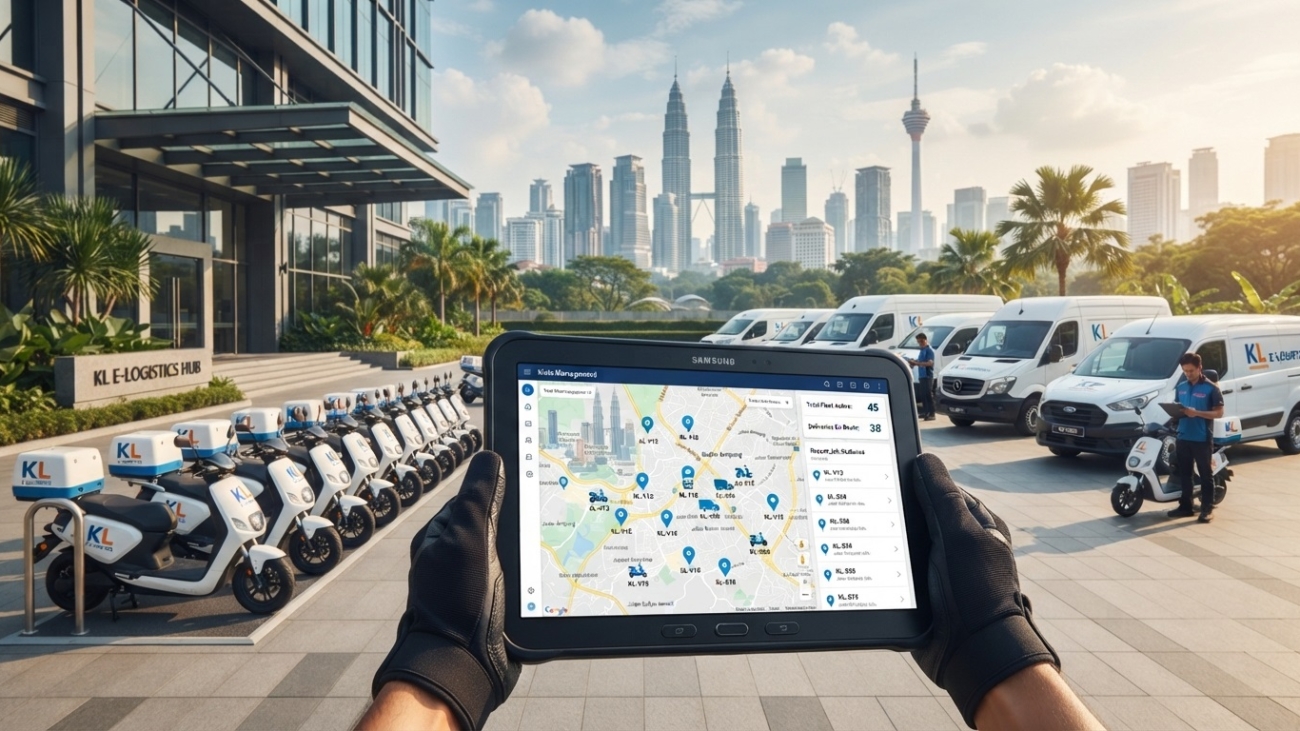
GPS tracker for fleet Malaysia

Best GPS Tracker for Fleet & Company Vehicles in Malaysia

FLEET GUIDE ยท MALAYSIA

Best GPS Tracker for Fleet & Company Vehicles in Malaysia

Malaysia’s logistics, e-hailing, and delivery sectors run on vehicles that move constantly through dense KL traffic, monsoon downpours, and long stretches of highway between states. Managing more than a couple of company vehicles without real-time tracking means guessing at fuel costs, routes, and driver behavior. Here’s what actually matters beyond a single-car buying guide when outfitting a fleet in Malaysia.

๐Ÿ’ก Quick Tip: A fleet tracker is only as useful as its dashboard. Before buying in bulk, ask for a demo of the multi-vehicle map view and reporting tools โ€” a great single device with a weak fleet dashboard will frustrate whoever manages it daily.

How Fleet Tracking Differs from a Personal Car Tracker

If you’ve read our GPS tracker buying guide for cars in Malaysia, you already know monsoon-proofing and heat tolerance matter. Fleet tracking adds a second layer on top: you’re not just asking “where is this vehicle,” you’re asking “how efficiently is my whole fleet running,” which means the software and reporting side matters as much as the hardware.

Core Features a Malaysian Fleet Needs

Feature Why It Matters for Malaysian Fleets
Multi-vehicle dashboard See every vehicle on one live map instead of checking devices one by one
IP66+ waterproofing Handles monsoon flooding and heavy tropical downpours across the whole fleet
Fuel monitoring Flags fuel siphoning and inefficient routing across delivery or logistics territory
Driver behavior scoring Tracks harsh braking and speeding, useful in dense KL and toll-highway traffic
Geofencing per site Alerts when a vehicle leaves a warehouse, depot, or delivery zone
Exportable trip & fuel reports Needed for internal cost audits and client-facing delivery confirmations

Hardware Types Best Suited to Fleet Use

  • ๐Ÿ”ง Hardwired trackers โ€” the standard for fleets. No battery to manage, hidden from casual view, and built to run continuously across dozens of vehicles.
  • ๐Ÿ”Œ OBD-II trackers โ€” faster to install across a growing delivery or e-hailing fleet since no wiring work is needed.
  • ๐Ÿ“ฆ Asset trackers โ€” for non-powered equipment like trailers or containers moving through ports and warehouses.
โš ๏ธ Common Fleet Buying Mistake: Choosing hardware based on price per unit alone. A slightly cheaper tracker without genuine IP66+ waterproofing often costs more over a monsoon season in replacement units and lost tracking data than a pricier, properly rated device.

Fuel and Route Efficiency: Where the Real Savings Are

For most Malaysia-based fleets โ€” delivery, e-hailing, or logistics โ€” the biggest cost isn’t the tracker itself, it’s fuel and route inefficiency through KL’s traffic and toll network. Fuel-sensor integration and route reporting can catch wasteful driving early and highlight which routes or drivers are burning more fuel than expected. Over a fleet of 10โ€“20 vehicles, this kind of monitoring routinely pays for the tracking system itself within the first year.

Compliance and Driver Accountability

For delivery and logistics operators, tracking which authorized driver is operating a given vehicle matters for accountability and for resolving disputes after an incident. RFID or driver-ID integration lets fleet managers confirm that only authorized personnel are behind the wheel of company vehicles.

What to Ask a GPS Tracker Supplier Before Buying in Bulk

  • What’s the tracker’s actual IP waterproof rating, and is it tested in real monsoon conditions or just a lab spec?
  • Does the dashboard support tiered or unlimited vehicle counts, and what does pricing look like as the fleet grows?
  • Can trip and fuel reports be exported for internal audits or client reporting?
  • What’s the warranty and local support/replacement process if a unit fails in the field?
  • Is installation available on-site, or does each vehicle need to be brought to a workshop?

For a closer look at hardware options, see our Malaysia GPS tracker buying guide, or our broader GPS tracker guide for company cars for features that apply across any market.

Final Thoughts

A fleet tracking setup in Malaysia succeeds or fails on two things most single-car buyers never have to consider: whether the hardware genuinely survives monsoon conditions and tropical heat, and whether the dashboard actually makes a manager’s day easier rather than harder. Prioritize genuinely IP66+ rated devices, a dashboard your team will actually use, and fuel-monitoring features that pay for themselves โ€” the savings from reduced fuel waste and better route efficiency almost always outweigh the upfront hardware cost.

top GPS trackers for cars Canada

Top 5 GPS Trackers for Cars in Canada, Compared

TOP PICKS ยท CANADA

Top 5 GPS Trackers for Cars in Canada, Compared

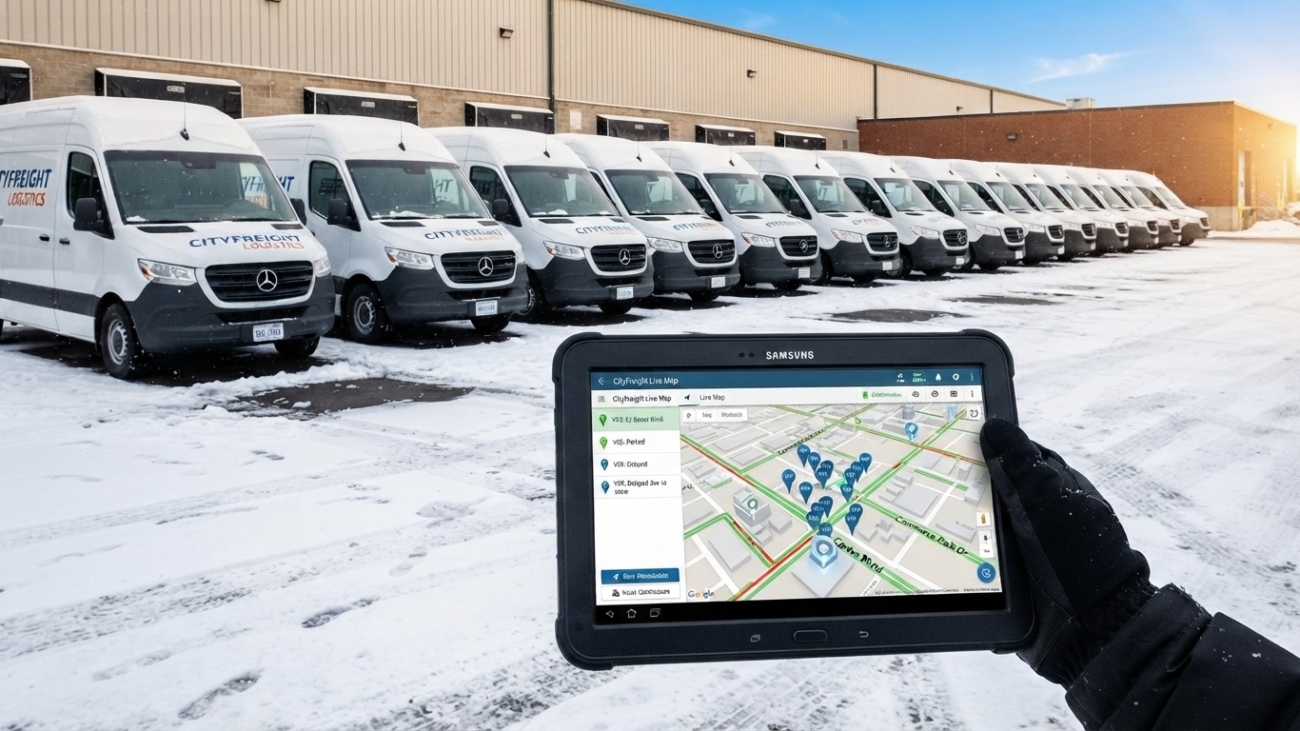
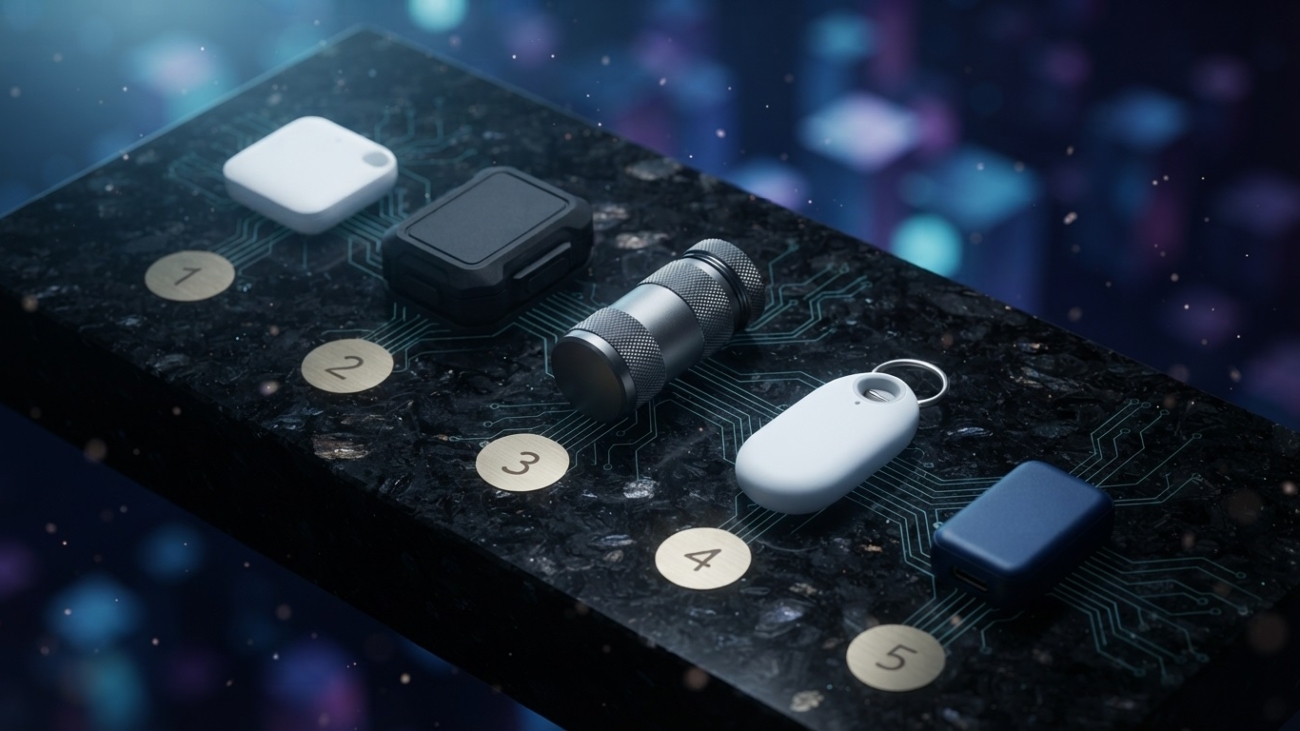
Not every GPS tracker on the market is built to survive a Canadian winter, and not every buyer needs the same feature set. Some just want a cheap way to keep an eye on a second car; others are running a small delivery fleet through months of freezing temperatures. Here are five distinct types of trackers worth considering in Canada right now, matched to who they actually make sense for.

๐Ÿ’ก Quick Tip: Before picking a tracker, decide whether you’re solving for theft protection, fleet efficiency, or just casual peace of mind โ€” the right pick genuinely differs by use case, not just by price.

Quick Comparison

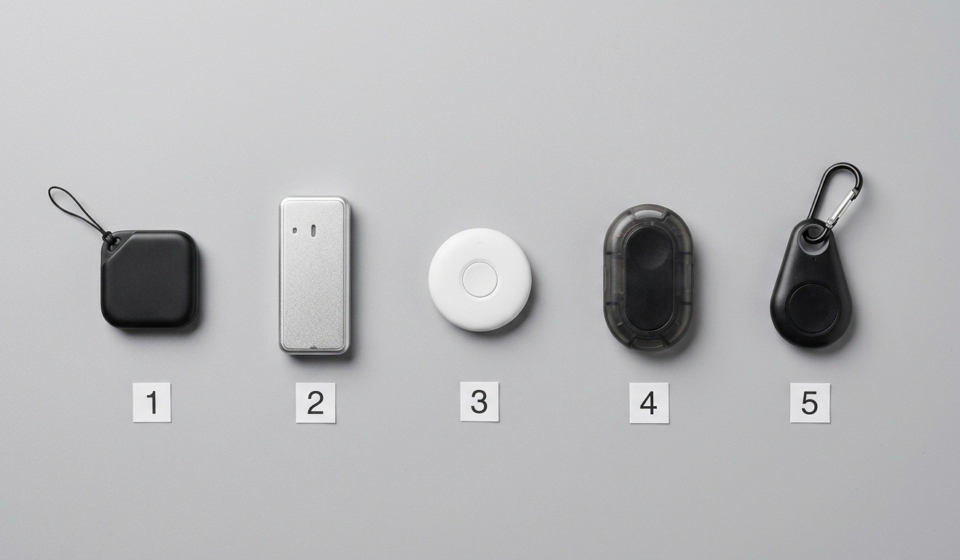
# Type Best For Monthly Fee
1 Hardwired fleet tracker (e.g. Teltonika FMB920) Fleets, cold-weather reliability, theft protection Yes
2 OBD plug-in tracker (e.g. Concox OB22) Personal cars, quick self-install, no battery worries Yes
3 Mini Bluetooth tag (Apple Find My certified) Budget buyers, bikes, bags, secondary vehicles No
4 Magnetic battery tracker No-install tracking, warmer-season use Varies
5 Dash cam with built-in GPS Accident evidence + location in one device Optional

1. Hardwired Fleet Tracker โ€” Best for Winter Reliability and Theft Protection

If you’re managing more than one vehicle, or theft protection is the priority, a hardwired unit like the Teltonika FMB920 is the strongest option for Canadian winters. It draws power directly from the vehicle, so there’s no battery to degrade in the cold, and features like remote engine immobilization and multi-satellite accuracy make it genuinely harder for a thief to work around.

2. OBD Plug-In Tracker โ€” Best for Personal Cars

An OBD tracker like the Concox OB22 plugs into the diagnostic port under the dashboard in seconds โ€” no wiring, no workshop visit, and no battery to worry about once winter hits. Works well for personal cars, rentals, or anyone who wants real-time tracking without a permanent install.

3. Mini Bluetooth Tag โ€” Best for Budget-Conscious Buyers

For lower-stakes tracking โ€” a bike stored over summer, a bag, a second car that mostly stays close to home โ€” a compact tag like the GPS Tag mini tracker is hard to beat. No monthly fee and multi-year battery life make it one of the cheapest ways to add real location tracking, though cold temperatures will shorten its rated battery life somewhat.

4. Magnetic Battery Tracker โ€” Best for No-Install Flexibility

Magnetic trackers attach to the undercarriage in seconds with no tools required. In Canada specifically, keep in mind that sustained cold can cut battery life by 30โ€“50% โ€” this option suits warmer-season or lower-priority tracking rather than a primary winter theft-protection setup.

5. Dash Cam With Built-In GPS โ€” Best for Accident Documentation

If recording evidence in the event of an accident matters as much as knowing your car’s location โ€” especially relevant on icy Canadian roads โ€” a GPS-equipped dash cam covers both in one device.

โš ๏ธ Cold-Weather Reminder: Whichever type you choose, check its actual rated operating temperature before buying, and lean toward hardwired or OBD options if you live somewhere with a real winter โ€” battery-dependent trackers lose the most performance exactly when reliability matters most.

Which One Should You Actually Buy?

  • Running a fleet or prioritizing theft protection through winter? Go with a hardwired tracker.
  • Want real-time tracking on a personal car with zero installation hassle? An OBD tracker is the easiest middle ground.
  • Just want basic peace of mind with no ongoing cost? A mini Bluetooth tag covers that well in warmer months.
  • Need to document accidents as well as track location? A GPS dash cam does both.

For a deeper look at what to check before buying any of these, see our full GPS tracker buying guide for Canada, and for fleet-specific buying advice, our fleet and company vehicle guide covers what to ask suppliers before buying in bulk.

Final Thoughts

There’s no single “best” GPS tracker for Canada โ€” the right choice depends entirely on whether you’re protecting a fleet, a personal car, or just a bike or bag, and how seriously winter factors into your decision. What matters across all five options is the same: confirm real cold-weather performance before buying, and match the device’s update speed and features to how seriously you actually need to track it.
GPS tracker for fleet Canada

Best GPS Tracker for Fleet & Company Vehicles in Canada

FLEET GUIDE ยท CANADA

Best GPS Tracker for Fleet & Company Vehicles in Canada

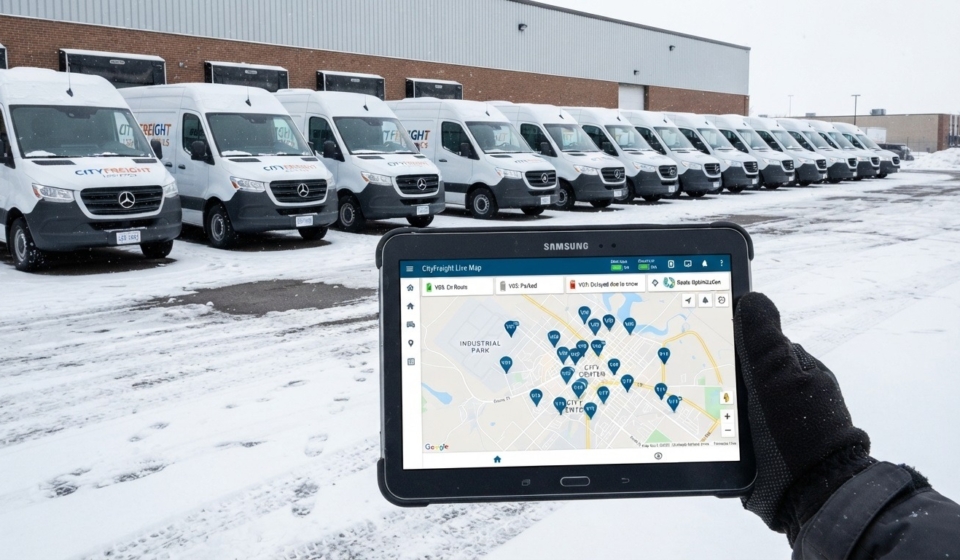
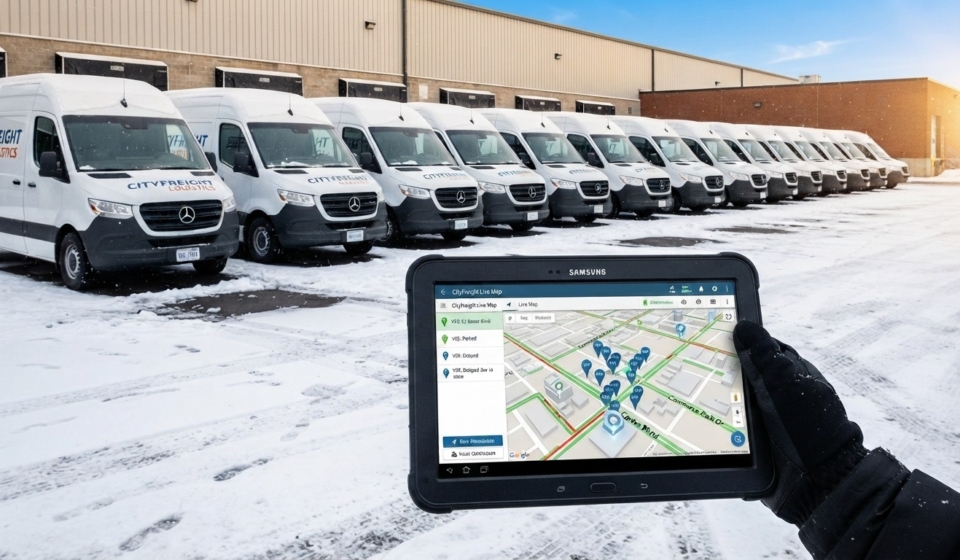
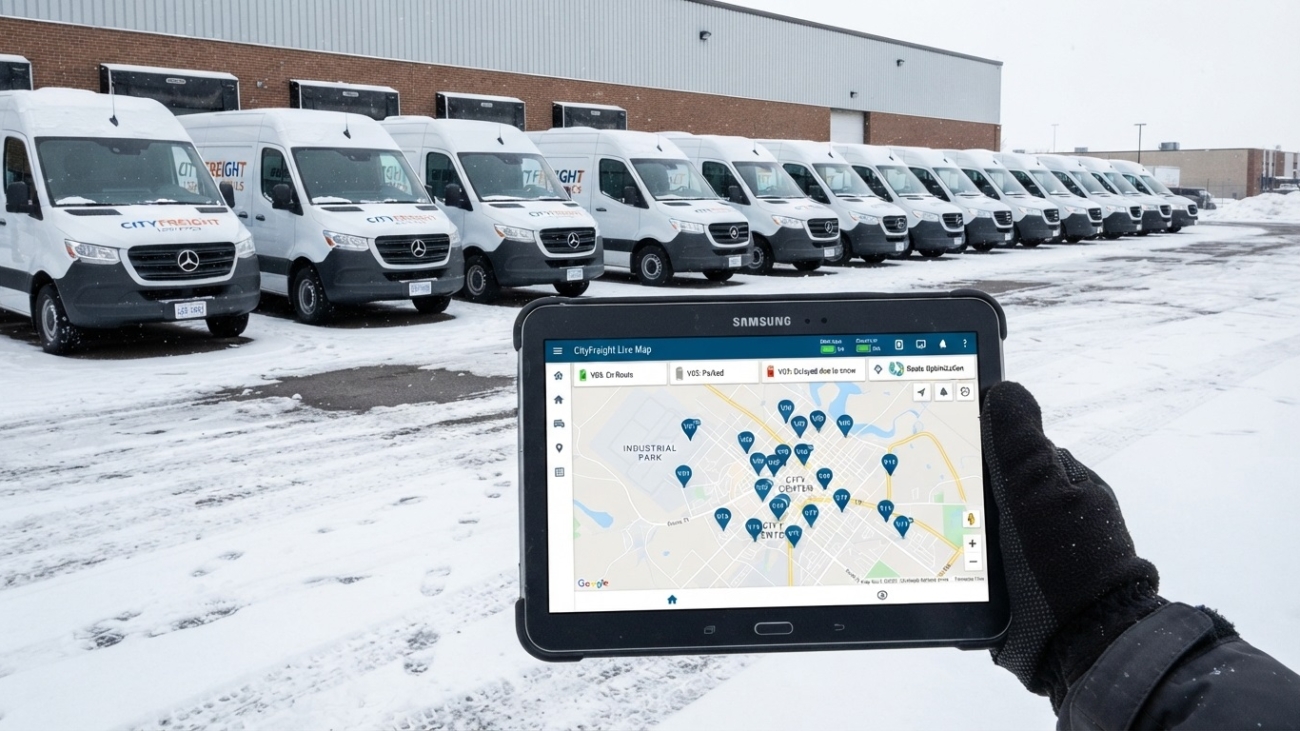
Running a fleet across Canadian winters adds a layer most fleet-tracking guides skip entirely: cold-weather reliability. Whether you’re managing a delivery service, a landscaping and snow-removal crew, or a field service team covering rural routes, real-time tracking only helps if the hardware actually survives the season it’s needed most. Here’s what matters beyond a single-car buying guide when you’re outfitting more than one company vehicle in Canada.

๐Ÿ’ก Quick Tip: Ask any fleet tracker supplier for their device’s real cold-weather rating, not just the marketing headline โ€” the gap between advertised and actual winter performance is where most fleet tracking budgets go to waste.

How Fleet Tracking Differs from a Personal Car Tracker

If you’ve read our GPS tracker buying guide for cars in Canada, you already know cold-weather battery performance and rural network coverage matter. Fleet tracking adds a second layer on top: you’re not just asking “where is this vehicle,” you’re asking “how efficiently is my whole fleet running through the winter,” which means the software and reporting side matters as much as the hardware.

Core Features a Canadian Fleet Needs

Feature Why It Matters for Canadian Fleets
Multi-vehicle dashboard See every vehicle on one live map instead of checking devices one by one
Cold-weather hardware rating Devices sitting in vehicles through winter need a genuinely rated operating range, not just a headline number
Fuel monitoring Flags fuel waste and inefficient routing across long rural or cross-province routes
Driver behavior scoring Tracks harsh braking and speeding โ€” especially relevant on icy or snow-covered roads
Geofencing per site Alerts when a vehicle leaves a depot, job site, or delivery territory
Exportable trip & fuel reports Needed for internal cost audits and client-facing delivery confirmations

Hardware Types Best Suited to Fleet Use

  • ๐Ÿ”ง Hardwired trackers โ€” the standard for fleets, since they draw power from the vehicle and sidestep cold-weather battery drop entirely.
  • ๐Ÿ”Œ OBD-II trackers โ€” faster to install across a growing fleet, still power-drawing so cold weather isn’t a concern.
  • ๐Ÿ“ฆ Asset trackers โ€” for trailers, generators, or job-site equipment that sits outside through winter without its own engine; confirm a genuine sub-zero battery rating before relying on these.
โš ๏ธ Common Fleet Buying Mistake: Outfitting a fleet with battery-powered magnetic trackers to save on installation costs, then discovering in January that battery life has dropped by 30โ€“50% across the whole fleet. Hardwired or OBD units avoid this entirely.

Fuel and Route Efficiency: Where the Real Savings Are

For most Canadian fleets โ€” delivery, landscaping and snow removal, or field service โ€” the biggest cost isn’t the tracker itself, it’s fuel and route inefficiency, which gets worse in winter with longer idle times and slower routes. Fuel-sensor integration and route reporting can catch wasteful driving early and highlight which routes or drivers are burning more fuel than expected across a full season.

Insurance and Compliance Benefits

Several Canadian commercial auto insurers offer telematics-based discounts for fleets running GPS tracking with driver behavior scoring, which can meaningfully offset the cost of the tracking system itself. Beyond savings, tracking which employee is operating a given vehicle matters for accountability and for resolving disputes after a winter-driving incident.

What to Ask a GPS Tracker Supplier Before Buying in Bulk

  • What’s the tracker’s actual rated operating temperature, tested in real cold conditions rather than a lab at room temperature?
  • Does the dashboard support tiered or unlimited vehicle counts, and what does pricing look like as the fleet grows?
  • Can trip and fuel reports be exported for internal audits or client reporting?
  • What’s the warranty and support process if a unit fails mid-winter?
  • Does the tracker’s network coverage extend into the rural routes your fleet actually drives?

For a closer look at hardware options, see our Canada GPS tracker buying guide, or our broader GPS tracker guide for company cars for features that apply across any market.

Final Thoughts

A fleet tracking setup in Canada succeeds or fails on the same question we raised in our personal-car guide: how does it perform once the temperature drops? Prioritize hardwired or OBD units that draw vehicle power, confirm real cold-weather ratings rather than marketing copy, and choose a dashboard your team will actually use day to day โ€” the fuel and route savings from consistent winter tracking almost always outweigh the upfront hardware cost.

top GPS trackers for cars USA

Top 5 GPS Trackers for Cars in the USA, Compared

TOP PICKS ยท USA

Top 5 GPS Trackers for Cars in the USA, Compared

Not every GPS tracker on the market solves the same problem. Some buyers just want a cheap way to keep an eye on a second car; others are running a small delivery fleet across state lines. Here are five distinct types of trackers worth considering in the USA right now, matched to who they actually make sense for.

๐Ÿ’ก Quick Tip: Before picking a tracker, decide whether you’re solving for theft protection, fleet efficiency, or just casual peace of mind โ€” the right pick genuinely differs by use case, not just by price.

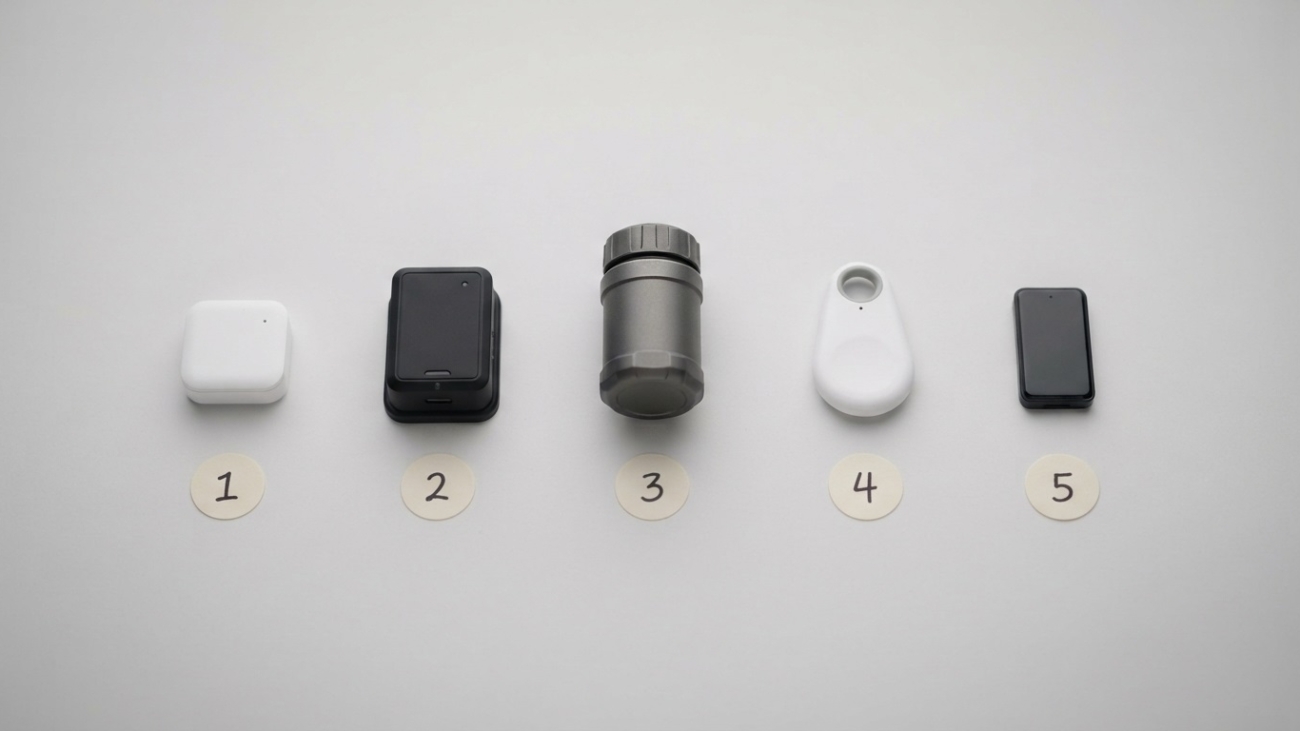
Quick Comparison

# Type Best For Monthly Fee
1 Hardwired fleet tracker (e.g. Teltonika FMB920) Fleets, theft protection, remote immobilization Yes
2 OBD plug-in tracker (e.g. Concox OB22) Personal cars, quick self-install Yes
3 Mini Bluetooth tag (Apple Find My certified) Budget buyers, bikes, bags, second vehicles No
4 Magnetic battery tracker No-install tracking, temporary use Varies
5 Dash cam with built-in GPS Accident evidence + location in one device Optional

1. Hardwired Fleet Tracker โ€” Best for Businesses and Theft Protection

If you’re managing more than one vehicle, or theft protection is the priority, a hardwired unit like the Teltonika FMB920 is a strong option. It draws power directly from the vehicle, so there’s no battery to manage, and features like remote engine immobilization and multi-satellite accuracy make it genuinely harder for a thief to work around. The trade-off is professional installation and a higher upfront cost.

2. OBD Plug-In Tracker โ€” Best for Personal Cars

An OBD tracker like the Concox OB22 plugs into the diagnostic port under the dashboard in seconds โ€” no wiring, no workshop visit. It draws vehicle power, avoiding battery issues entirely, and works well for personal cars, rentals, or anyone who wants real-time tracking without a permanent install.

3. Mini Bluetooth Tag โ€” Best for Budget-Conscious Buyers

For lower-stakes tracking โ€” a motorcycle, a bag, a second car that mostly stays close to home โ€” a compact tag like the GPS Tag mini tracker is hard to beat. No monthly fee, multi-year battery life, and Apple Find My network support make it one of the cheapest ways to add real location tracking to something you own. It won’t match a 4G tracker’s update speed, but for everyday items, that’s rarely the point.

4. Magnetic Battery Tracker โ€” Best for No-Install Flexibility

Magnetic trackers attach to the undercarriage in seconds with no tools required, which makes them appealing if you want to move a tracker between vehicles or avoid any installation at all. Battery life varies by model and drops off in extreme heat or cold, so this option suits shorter-term or lower-priority tracking rather than a primary theft-protection setup.

5. Dash Cam With Built-In GPS โ€” Best for Accident Documentation

If recording evidence in the event of an accident matters as much as knowing your car’s location, a GPS-equipped dash cam covers both in one device. It won’t offer the same remote-monitoring depth as a dedicated tracker, but for drivers mainly worried about liability disputes, it’s a practical two-in-one option.

โš ๏ธ Reminder: Whichever type you choose, confirm it runs on an active LTE-M or 4G network compatible with your carrier before buying โ€” older 3G-based trackers have been phased out across major US networks.

Which One Should You Actually Buy?

  • Running a fleet or prioritizing theft protection? Go with a hardwired tracker.
  • Want real-time tracking on a personal car with zero installation hassle? An OBD tracker is the easiest middle ground.
  • Just want basic peace of mind with no ongoing cost? A mini Bluetooth tag covers that well.
  • Need to document accidents as well as track location? A GPS dash cam does both.

For a deeper look at what to check before buying any of these, see our full GPS tracker buying guide for the USA, and for fleet-specific buying advice, our fleet and company vehicle guide covers what to ask suppliers before buying in bulk.

Final Thoughts

There’s no single “best” GPS tracker for the USA โ€” the right choice depends entirely on whether you’re protecting a fleet, a personal car, or just a bike or bag. What matters across all five options is the same: confirm real network compatibility before buying, and match the device’s update speed and features to how seriously you actually need to track it.
GPS tracker for fleet USA

Best GPS Tracker for Fleet & Company Vehicles in the USA

FLEET GUIDE ยท USA

Best GPS Tracker for Fleet & Company Vehicles in the USA

Whether you’re running a landscaping crew, a local delivery service, or a growing rideshare operation, managing more than a couple of company vehicles without real-time tracking means guessing at fuel costs, routes, and driver behavior. If you’re comparing GPS tracker options for a small or mid-sized fleet in the USA, here’s what actually matters beyond a single-car buying guide.

๐Ÿ’ก Quick Tip: A fleet tracker is only as useful as its dashboard. Before buying in bulk, ask for a demo of the multi-vehicle map view and reporting tools โ€” a great single device with a weak fleet dashboard will frustrate whoever manages it daily.

How Fleet Tracking Differs from a Personal Car Tracker

If you’ve read our GPS tracker buying guide for cars in the USA, you already know network reliability and update speed matter. Fleet tracking adds a second layer on top: you’re not just asking “where is this vehicle,” you’re asking “how efficiently is my whole fleet running,” which means the software and reporting side matters as much as the hardware.

Core Features a US Fleet Needs

Feature Why It Matters
Multi-vehicle dashboard See every vehicle on one live map instead of checking devices one by one
Fuel monitoring Flags fuel waste and inefficient routing across a delivery territory
Driver behavior scoring Tracks harsh braking, speeding, and idling โ€” useful for insurance and safety compliance
Geofencing per site Alerts when a vehicle leaves an authorized zone โ€” a depot, job site, or delivery territory
Driver ID support Confirms which employee was driving, important for accountability
Exportable trip & fuel reports Needed for internal cost audits and client-facing delivery confirmations

Hardware Types Best Suited to Fleet Use

  • ๐Ÿ”ง Hardwired trackers โ€” the standard for fleets. No battery to manage, hidden from casual view, and built to run continuously for years across dozens of vehicles.
  • ๐Ÿ”Œ OBD-II trackers โ€” faster to install across a growing fleet since no wiring work is needed, useful for smaller delivery or rental fleets that rotate vehicles.
  • ๐Ÿ“ฆ Asset trackers โ€” for non-powered equipment like trailers, generators, or job-site equipment that moves without its own engine.
โš ๏ธ Common Fleet Buying Mistake: Choosing hardware based on price per unit alone. A slightly cheaper tracker with a weak dashboard or unreliable network compatibility often costs more over time in replacement units and wasted manager time than a pricier, properly supported device.

Fuel and Route Efficiency: Where the Real Savings Are

For most US-based fleets โ€” delivery, landscaping, HVAC, or field service โ€” the biggest cost isn’t the tracker itself, it’s fuel and route inefficiency. Fuel-sensor integration and route-optimization reporting can catch wasteful driving early and highlight which routes or drivers are burning more fuel than expected. Over a fleet of 10โ€“20 vehicles, this kind of monitoring routinely pays for the tracking system itself within the first several months.

Insurance and Compliance Benefits

Many US commercial auto insurers now offer telematics-based discounts for fleets running GPS tracking with driver behavior scoring. Beyond cost savings, tracking which employee is operating a given vehicle matters for accountability and for resolving disputes after an incident on the road.

What to Ask a GPS Tracker Supplier Before Buying in Bulk

  • Does the dashboard support tiered or unlimited vehicle counts, and what does pricing look like as the fleet grows?
  • Can trip and fuel reports be exported for internal audits or client reporting?
  • What’s the warranty and support process if a unit fails in the field?
  • Is installation available on-site, or does each vehicle need to be brought to a shop?
  • Does the tracker run on an active LTE-M or 4G network compatible with your carrier?

For a closer look at hardware options, see our USA GPS tracker buying guide, or our broader GPS tracker guide for company cars for features that apply across any market.

Final Thoughts

A fleet tracking setup in the USA succeeds or fails on two things most single-car buyers never have to consider: whether the network and hardware genuinely hold up across a full delivery territory, and whether the dashboard actually makes a manager’s day easier rather than harder. Prioritize reliable network coverage, a dashboard your team will actually use, and fuel-monitoring features that pay for themselves โ€” the savings from reduced fuel waste and better route efficiency almost always outweigh the upfront hardware cost.