

Top 5 GPS Trackers for Cars in Canada, Compared
Not every GPS tracker on the market is built to survive a Canadian winter, and not every buyer needs the same feature set. Some just want a cheap way to keep an eye on a second car; others are running a small delivery fleet through months of freezing temperatures. Here are five distinct types of trackers worth considering in Canada right now, matched to who they actually make sense for.
Quick Comparison
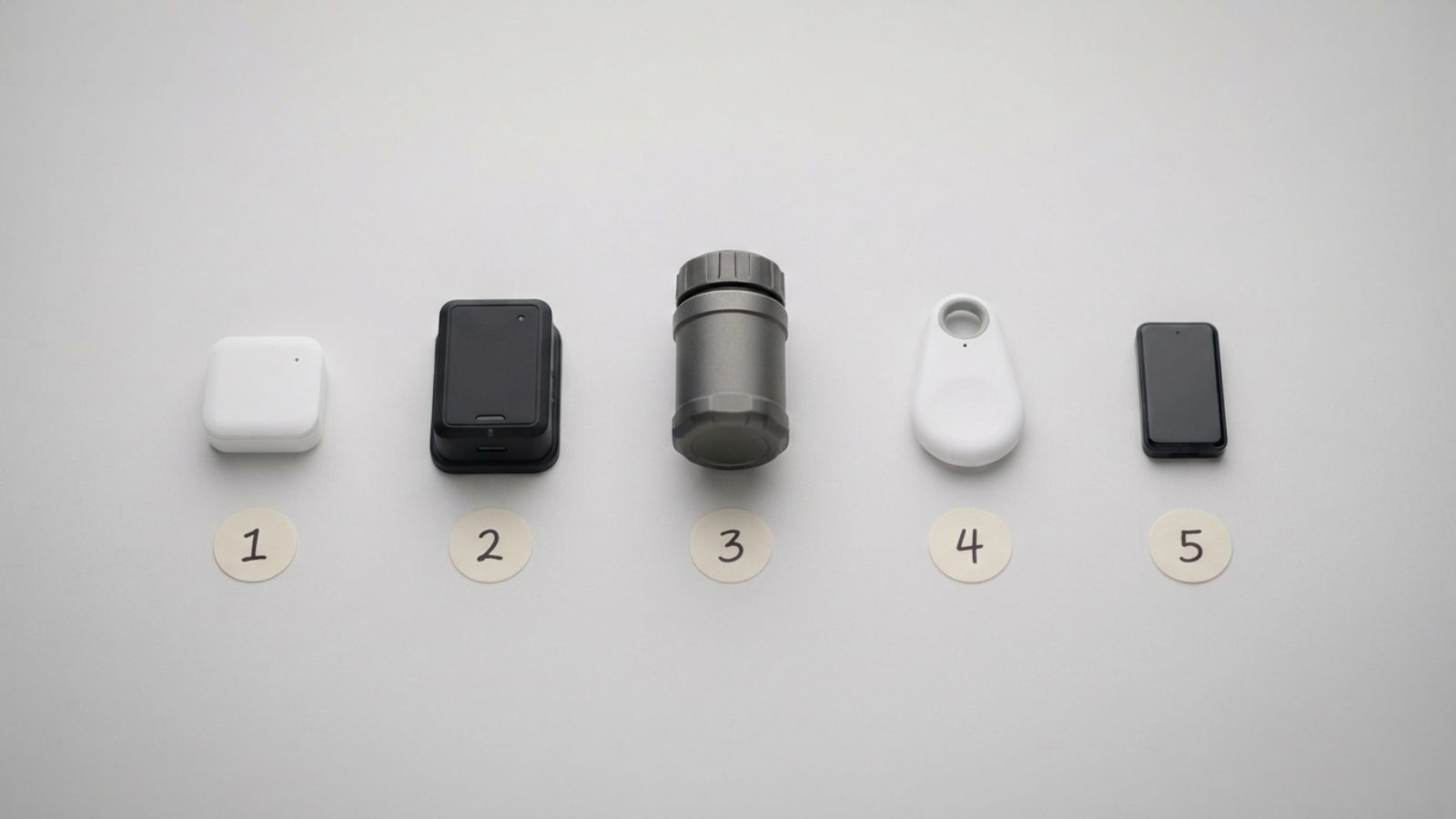
| # | Type | Best For | Monthly Fee |
|---|---|---|---|
| 1 | Hardwired fleet tracker (e.g. Teltonika FMB920) | Fleets, cold-weather reliability, theft protection | Yes |
| 2 | OBD plug-in tracker (e.g. Concox OB22) | Personal cars, quick self-install, no battery worries | Yes |
| 3 | Mini Bluetooth tag (Apple Find My certified) | Budget buyers, bikes, bags, secondary vehicles | No |
| 4 | Magnetic battery tracker | No-install tracking, warmer-season use | Varies |
| 5 | Dash cam with built-in GPS | Accident evidence + location in one device | Optional |
1. Hardwired Fleet Tracker — Best for Winter Reliability and Theft Protection
If you’re managing more than one vehicle, or theft protection is the priority, a hardwired unit like the Teltonika FMB920 is the strongest option for Canadian winters. It draws power directly from the vehicle, so there’s no battery to degrade in the cold, and features like remote engine immobilization and multi-satellite accuracy make it genuinely harder for a thief to work around.
2. OBD Plug-In Tracker — Best for Personal Cars
An OBD tracker like the Concox OB22 plugs into the diagnostic port under the dashboard in seconds — no wiring, no workshop visit, and no battery to worry about once winter hits. Works well for personal cars, rentals, or anyone who wants real-time tracking without a permanent install.
3. Mini Bluetooth Tag — Best for Budget-Conscious Buyers
For lower-stakes tracking — a bike stored over summer, a bag, a second car that mostly stays close to home — a compact tag like the GPS Tag mini tracker is hard to beat. No monthly fee and multi-year battery life make it one of the cheapest ways to add real location tracking, though cold temperatures will shorten its rated battery life somewhat.
4. Magnetic Battery Tracker — Best for No-Install Flexibility
Magnetic trackers attach to the undercarriage in seconds with no tools required. In Canada specifically, keep in mind that sustained cold can cut battery life by 30–50% — this option suits warmer-season or lower-priority tracking rather than a primary winter theft-protection setup.
5. Dash Cam With Built-In GPS — Best for Accident Documentation
If recording evidence in the event of an accident matters as much as knowing your car’s location — especially relevant on icy Canadian roads — a GPS-equipped dash cam covers both in one device.
Which One Should You Actually Buy?
- Running a fleet or prioritizing theft protection through winter? Go with a hardwired tracker.
- Want real-time tracking on a personal car with zero installation hassle? An OBD tracker is the easiest middle ground.
- Just want basic peace of mind with no ongoing cost? A mini Bluetooth tag covers that well in warmer months.
- Need to document accidents as well as track location? A GPS dash cam does both.
For a deeper look at what to check before buying any of these, see our full GPS tracker buying guide for Canada, and for fleet-specific buying advice, our fleet and company vehicle guide covers what to ask suppliers before buying in bulk.
Final Thoughts
There’s no single “best” GPS tracker for Canada — the right choice depends entirely on whether you’re protecting a fleet, a personal car, or just a bike or bag, and how seriously winter factors into your decision. What matters across all five options is the same: confirm real cold-weather performance before buying, and match the device’s update speed and features to how seriously you actually need to track it.
Add a Comment