


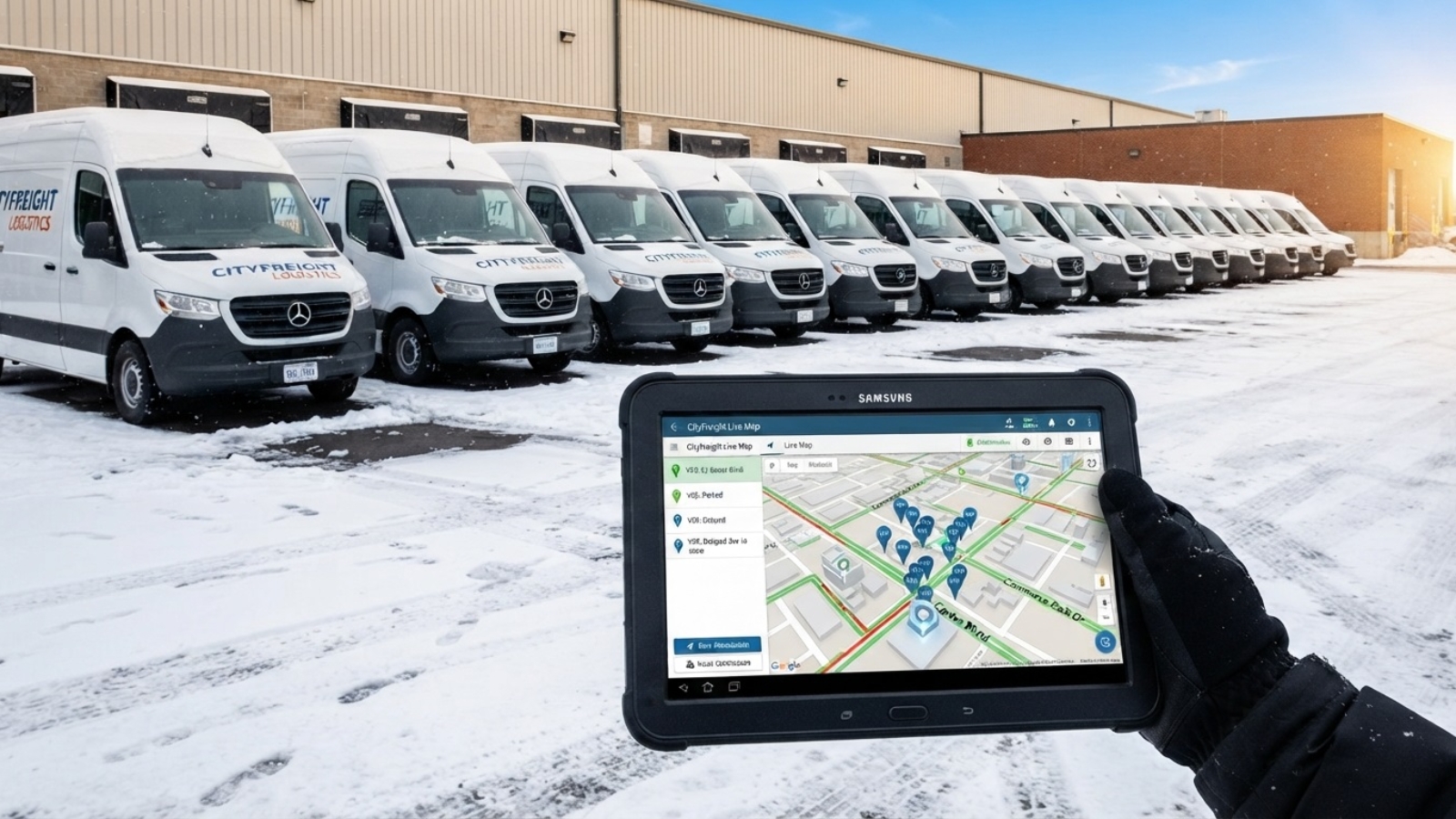
Best GPS Tracker for Fleet & Company Vehicles in Canada
Running a fleet across Canadian winters adds a layer most fleet-tracking guides skip entirely: cold-weather reliability. Whether you’re managing a delivery service, a landscaping and snow-removal crew, or a field service team covering rural routes, real-time tracking only helps if the hardware actually survives the season it’s needed most. Here’s what matters beyond a single-car buying guide when you’re outfitting more than one company vehicle in Canada.
How Fleet Tracking Differs from a Personal Car Tracker
If you’ve read our GPS tracker buying guide for cars in Canada, you already know cold-weather battery performance and rural network coverage matter. Fleet tracking adds a second layer on top: you’re not just asking “where is this vehicle,” you’re asking “how efficiently is my whole fleet running through the winter,” which means the software and reporting side matters as much as the hardware.
Core Features a Canadian Fleet Needs
| Feature | Why It Matters for Canadian Fleets |
|---|---|
| Multi-vehicle dashboard | See every vehicle on one live map instead of checking devices one by one |
| Cold-weather hardware rating | Devices sitting in vehicles through winter need a genuinely rated operating range, not just a headline number |
| Fuel monitoring | Flags fuel waste and inefficient routing across long rural or cross-province routes |
| Driver behavior scoring | Tracks harsh braking and speeding — especially relevant on icy or snow-covered roads |
| Geofencing per site | Alerts when a vehicle leaves a depot, job site, or delivery territory |
| Exportable trip & fuel reports | Needed for internal cost audits and client-facing delivery confirmations |
Hardware Types Best Suited to Fleet Use
- 🔧 Hardwired trackers — the standard for fleets, since they draw power from the vehicle and sidestep cold-weather battery drop entirely.
- 🔌 OBD-II trackers — faster to install across a growing fleet, still power-drawing so cold weather isn’t a concern.
- 📦 Asset trackers — for trailers, generators, or job-site equipment that sits outside through winter without its own engine; confirm a genuine sub-zero battery rating before relying on these.
Fuel and Route Efficiency: Where the Real Savings Are
For most Canadian fleets — delivery, landscaping and snow removal, or field service — the biggest cost isn’t the tracker itself, it’s fuel and route inefficiency, which gets worse in winter with longer idle times and slower routes. Fuel-sensor integration and route reporting can catch wasteful driving early and highlight which routes or drivers are burning more fuel than expected across a full season.
Insurance and Compliance Benefits
Several Canadian commercial auto insurers offer telematics-based discounts for fleets running GPS tracking with driver behavior scoring, which can meaningfully offset the cost of the tracking system itself. Beyond savings, tracking which employee is operating a given vehicle matters for accountability and for resolving disputes after a winter-driving incident.
What to Ask a GPS Tracker Supplier Before Buying in Bulk
- What’s the tracker’s actual rated operating temperature, tested in real cold conditions rather than a lab at room temperature?
- Does the dashboard support tiered or unlimited vehicle counts, and what does pricing look like as the fleet grows?
- Can trip and fuel reports be exported for internal audits or client reporting?
- What’s the warranty and support process if a unit fails mid-winter?
- Does the tracker’s network coverage extend into the rural routes your fleet actually drives?
For a closer look at hardware options, see our Canada GPS tracker buying guide, or our broader GPS tracker guide for company cars for features that apply across any market.
Final Thoughts
A fleet tracking setup in Canada succeeds or fails on the same question we raised in our personal-car guide: how does it perform once the temperature drops? Prioritize hardwired or OBD units that draw vehicle power, confirm real cold-weather ratings rather than marketing copy, and choose a dashboard your team will actually use day to day — the fuel and route savings from consistent winter tracking almost always outweigh the upfront hardware cost.
Add a Comment