


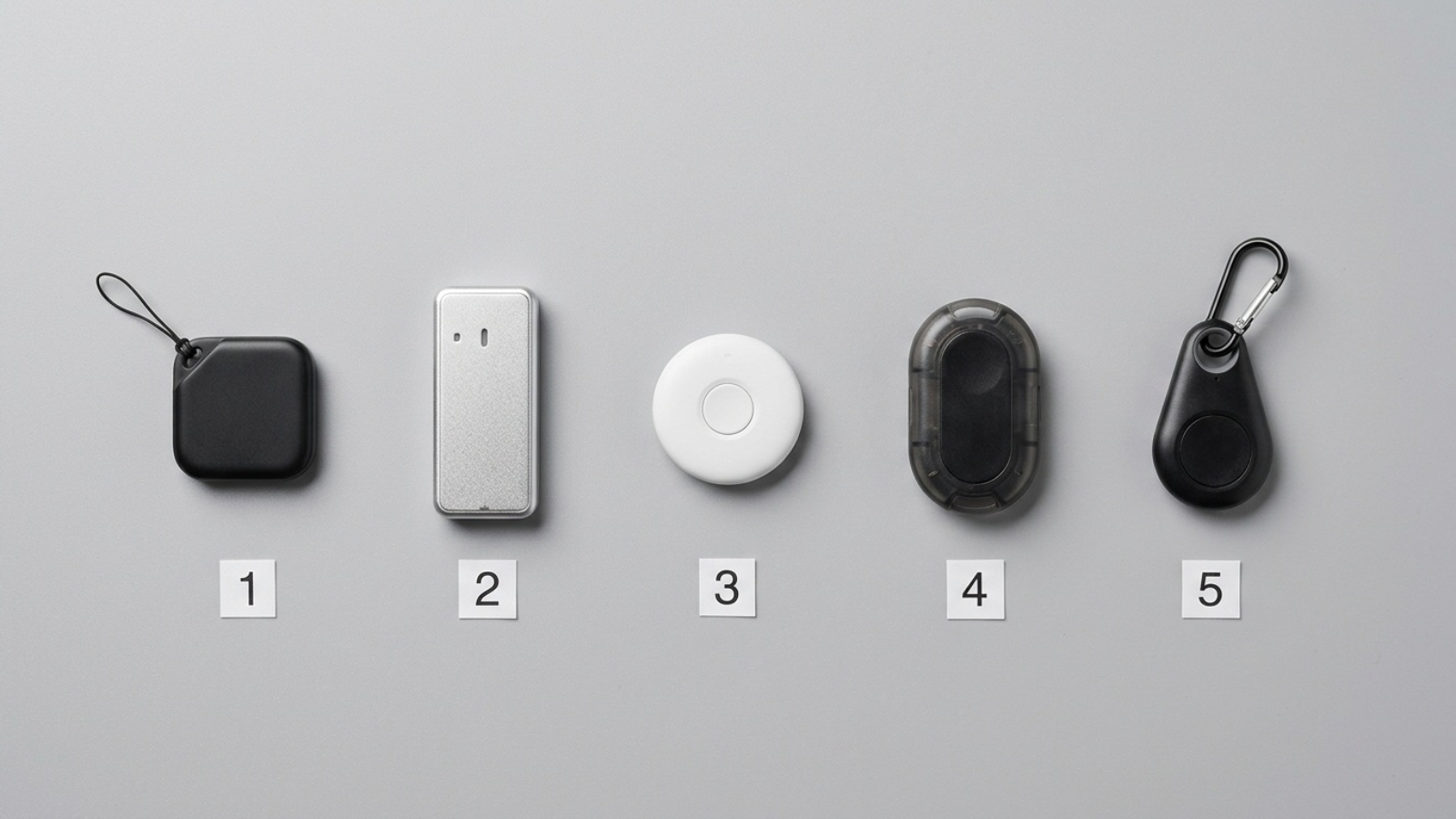
Top 5 GPS Trackers for Cars in the USA, Compared
Not every GPS tracker on the market solves the same problem. Some buyers just want a cheap way to keep an eye on a second car; others are running a small delivery fleet across state lines. Here are five distinct types of trackers worth considering in the USA right now, matched to who they actually make sense for.
Quick Comparison
| # | Type | Best For | Monthly Fee |
|---|---|---|---|
| 1 | Hardwired fleet tracker (e.g. Teltonika FMB920) | Fleets, theft protection, remote immobilization | Yes |
| 2 | OBD plug-in tracker (e.g. Concox OB22) | Personal cars, quick self-install | Yes |
| 3 | Mini Bluetooth tag (Apple Find My certified) | Budget buyers, bikes, bags, second vehicles | No |
| 4 | Magnetic battery tracker | No-install tracking, temporary use | Varies |
| 5 | Dash cam with built-in GPS | Accident evidence + location in one device | Optional |
1. Hardwired Fleet Tracker — Best for Businesses and Theft Protection
If you’re managing more than one vehicle, or theft protection is the priority, a hardwired unit like the Teltonika FMB920 is a strong option. It draws power directly from the vehicle, so there’s no battery to manage, and features like remote engine immobilization and multi-satellite accuracy make it genuinely harder for a thief to work around. The trade-off is professional installation and a higher upfront cost.
2. OBD Plug-In Tracker — Best for Personal Cars
An OBD tracker like the Concox OB22 plugs into the diagnostic port under the dashboard in seconds — no wiring, no workshop visit. It draws vehicle power, avoiding battery issues entirely, and works well for personal cars, rentals, or anyone who wants real-time tracking without a permanent install.
3. Mini Bluetooth Tag — Best for Budget-Conscious Buyers
For lower-stakes tracking — a motorcycle, a bag, a second car that mostly stays close to home — a compact tag like the GPS Tag mini tracker is hard to beat. No monthly fee, multi-year battery life, and Apple Find My network support make it one of the cheapest ways to add real location tracking to something you own. It won’t match a 4G tracker’s update speed, but for everyday items, that’s rarely the point.
4. Magnetic Battery Tracker — Best for No-Install Flexibility
Magnetic trackers attach to the undercarriage in seconds with no tools required, which makes them appealing if you want to move a tracker between vehicles or avoid any installation at all. Battery life varies by model and drops off in extreme heat or cold, so this option suits shorter-term or lower-priority tracking rather than a primary theft-protection setup.
5. Dash Cam With Built-In GPS — Best for Accident Documentation
If recording evidence in the event of an accident matters as much as knowing your car’s location, a GPS-equipped dash cam covers both in one device. It won’t offer the same remote-monitoring depth as a dedicated tracker, but for drivers mainly worried about liability disputes, it’s a practical two-in-one option.
Which One Should You Actually Buy?
- Running a fleet or prioritizing theft protection? Go with a hardwired tracker.
- Want real-time tracking on a personal car with zero installation hassle? An OBD tracker is the easiest middle ground.
- Just want basic peace of mind with no ongoing cost? A mini Bluetooth tag covers that well.
- Need to document accidents as well as track location? A GPS dash cam does both.
For a deeper look at what to check before buying any of these, see our full GPS tracker buying guide for the USA, and for fleet-specific buying advice, our fleet and company vehicle guide covers what to ask suppliers before buying in bulk.
Final Thoughts
There’s no single “best” GPS tracker for the USA — the right choice depends entirely on whether you’re protecting a fleet, a personal car, or just a bike or bag. What matters across all five options is the same: confirm real network compatibility before buying, and match the device’s update speed and features to how seriously you actually need to track it.
Add a Comment