


Best GPS Tracker for Car: Top Picks & Buying Guide
Everything you need to know before buying — types, must-have features, and pricing, wherever you're driving.
Choosing the best GPS tracker for your car depends less on finding one "perfect" product and more on matching the device to why you actually want one — theft protection, family safety, or keeping tabs on a company vehicle.
Car GPS trackers have moved well beyond niche fleet equipment. Parents track teen drivers, families keep an eye on aging relatives who still drive, rental and leasing companies monitor vehicles between renters, and everyday owners simply want faster recovery odds if a car is ever stolen. This guide breaks down the main tracker types, the features worth prioritizing, and realistic price ranges so you can shop with confidence no matter where you're buying from.
Why Drivers Are Adding a GPS Tracker
- Theft recovery: A tracker dramatically improves the odds and speed of recovering a stolen vehicle.
- Teen driver monitoring: Parents get speed alerts and location history without needing to call constantly.
- Insurance considerations: Some insurers offer reduced premiums or faster claims for vehicles with an approved tracking device — worth checking with your provider.
- Rental and leasing use: Companies track vehicles between renters to reduce unauthorized use and recover assets faster.
- Peace of mind: Simply knowing where a family vehicle is, especially for older drivers or long road trips.
Types of Car GPS Trackers
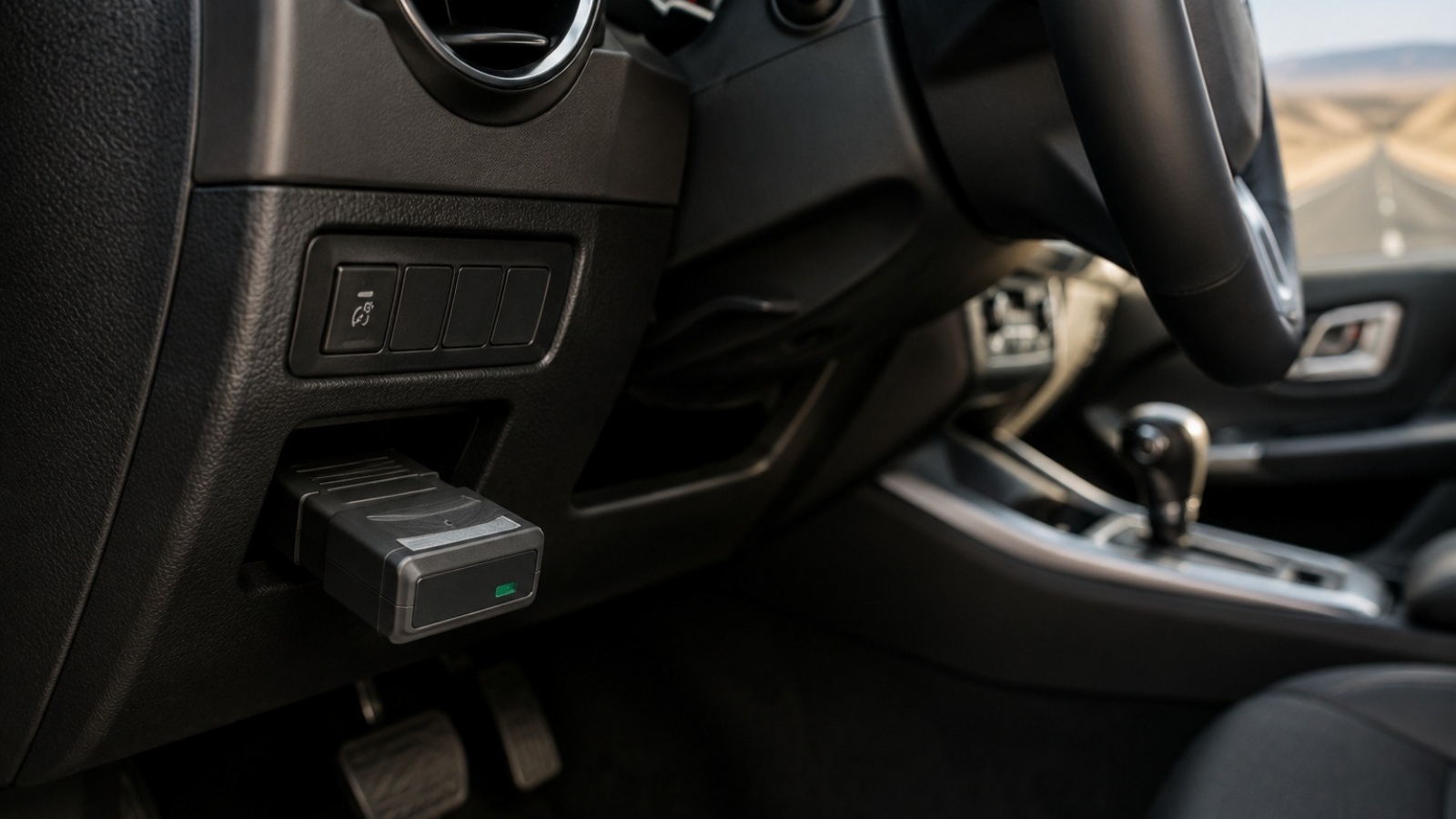
1. OBD Plug-In Trackers
Plug directly into the OBD-II port, usually under the dashboard, with no tools or wiring required. The easiest option for most personal vehicle owners, and easy to move between cars.
2. Hardwired Trackers
Wired into the vehicle's electrical system and hidden from view, making them harder to detect or remove. The preferred choice for serious theft deterrence and fleet vehicles.
3. Portable Battery-Powered Trackers
Run on an internal battery and can be placed anywhere in or under the vehicle. Flexible, but battery life (often days to a few weeks depending on settings) needs regular attention.
4. No-Subscription / Bluetooth Trackers
Shorter-range trackers that connect via Bluetooth to a smartphone instead of using a cellular SIM. No monthly fee, but limited to the phone's proximity rather than true real-time GPS tracking anywhere.
Features Worth Prioritizing
Real-Time Tracking
- 10–30 second update intervals for live location
- Trip history and route playback
Geofencing
- Alerts when the car leaves a set zone
- Useful for teen drivers or elderly family members
Battery & Power
- Hardwired units draw from the car; battery units need charging
- Check advertised battery life against your actual use case
App Quality
- Clear, easy-to-read map interface
- Multiple family members or drivers able to view the same account
Top Picks by Category
An OBD plug-in tracker with real-time updates and geofencing — the easiest starting point for most car owners.
A hardwired, hidden tracker with tamper alerts, built for serious theft recovery scenarios.
A basic plug-in tracker with location and history only, no monthly-fee frills.
A Bluetooth-based tracker for owners who want basic proximity tracking without an ongoing SIM plan.
A tracker with speed alerts and geofencing, giving parents visibility without constant check-in calls.
Price Ranges (2025)
| Type | Device Cost (USD) | Monthly Data Cost (USD) |
|---|---|---|
| OBD Plug-In | $40–100 | $5–15 |
| Hardwired | $90–200 | $8–20 |
| Portable Battery | $60–150 | $5–18 |
| Bluetooth / No-Subscription | $25–60 | $0 |
Prices are approximate 2025 market ranges and vary by brand, region, and retailer.
Pros and Cons
✔ Advantages
- Faster vehicle recovery if stolen
- Peace of mind for family safety
- Possible insurance discounts
- Easy installation for most personal-use models
✘ Considerations
- Ongoing subscription costs for cellular models
- Battery units need regular charging
- Bluetooth trackers have limited range without a SIM
- Support and warranty quality varies between sellers
Still not sure which type fits your car?
Tell us your main reason for tracking — theft prevention, teen driver safety, or fleet management — and we'll help you narrow it down.
Get a Personalized RecommendationFrequently Asked Questions
What is the best GPS tracker for a car overall?
For most owners, an OBD plug-in tracker with real-time updates and geofencing offers the best balance of ease of installation and useful features.
Do I need a monthly subscription for a car GPS tracker?
Cellular-based trackers (OBD, hardwired, portable) typically require a data plan, usually $5–20 a month. Bluetooth-only trackers avoid this but have limited range.
Is it legal to put a GPS tracker on my own car?
Tracking a vehicle you own is generally permitted. Tracking someone else's vehicle without consent can raise legal and privacy issues, so check local regulations if the vehicle isn't solely yours.
Will a GPS tracker drain my car battery?
Hardwired and OBD trackers draw a small, generally negligible amount of power. If your car sits unused for long periods, it's still worth checking the manufacturer's power draw specs.
Final Thoughts
The best GPS tracker for your car comes down to matching the type to your actual need — easy plug-in tracking for everyday peace of mind, a hardwired unit for serious theft protection, or a no-subscription option if you just want basic location awareness. If you're shopping for a specific region, see our dedicated guides for the best GPS tracker in Dubai or GPS trackers for cars across Qatar, UAE, and Saudi Arabia.
[…] to know: if you only need the basics for a personal car, our complete buying guide for the best GPS tracker for cars is a great starting point before you dive into the details […]